
Scandinavian
Timeless Nordic Simplicity
In a world increasingly drawn to simplicity, connection, and purposeful living, Scandinavian design has emerged as more than just an aesthetic trend—it’s a philosophy of life. Originating from the Nordic countries of Denmark, Sweden, Norway, Finland, and Iceland, this design movement is characterized by a harmonious balance of functionality, simplicity, and a profound connection to nature and light. Born from the mid-20th century modernism and shaped by harsh Nordic winters and democratic design principles, Scandinavian style has evolved into a global phenomenon that speaks to our deepest human needs for comfort, clarity, and meaningful spaces.
What makes Scandinavian design particularly compelling today is its remarkable alignment with warm minimalism and intentional living. In an era where we’re bombarded with excess and distraction, the Nordic approach offers a refreshing antidote: spaces that are uncluttered yet welcoming, minimal yet rich with warmth, simple yet deeply nourishing to the soul. This is not the cold, sterile minimalism of stark white rooms and empty surfaces, but rather a thoughtful curation of essential elements that bring joy, function, and beauty into daily life.
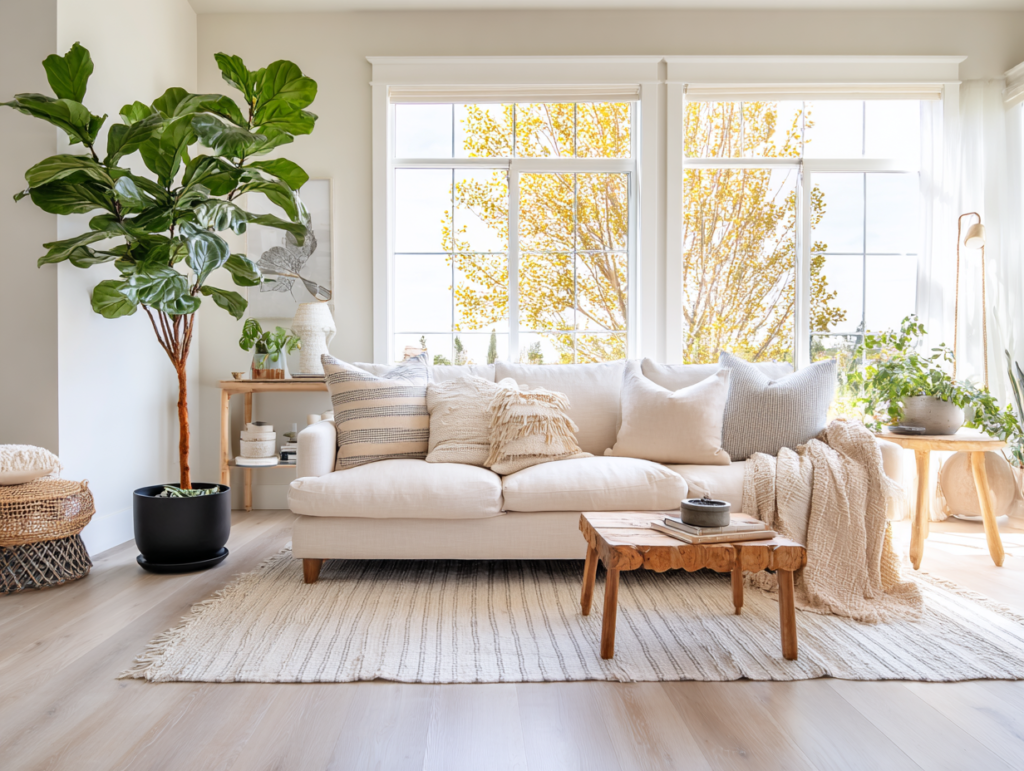
At the heart of Scandinavian design lies the concept of hygge (pronounced “hoo-gah”)—the Danish and Norwegian word for a sense of cozy togetherness, contentment, and finding joy in life’s simple pleasures. Whether it’s the soft glow of candlelight on a winter evening, the warmth of a wool throw draped over a chair, or the ritual of sharing a home-cooked meal with loved ones, hygge transforms ordinary moments into sources of deep satisfaction. This philosophy extends beyond decoration to encompass how we inhabit our spaces, encouraging us to create environments that nurture well-being, foster connection, and celebrate the beauty in everyday simplicity.
The rise of Scandinavian design coincided with the post-World War II era when Nordic countries faced economic challenges and embraced social democratic ideals that prioritized accessible, functional design for all—not just the wealthy elite. This “democratic design” ethos, combined with the region’s challenging climate that demanded maximum light reflection during long, dark winters, gave birth to a style that is both pragmatic and poetic. Today, as we increasingly seek sustainable, mindful approaches to living that honor both our personal well-being and planetary health, Scandinavian design offers a proven blueprint for creating homes that are light-filled sanctuaries of intentional beauty.
Key Elements of Scandinavian Design
Materials: Natural, Sustainable, and Timeless
The material palette of Scandinavian design is rooted deeply in the Nordic landscape and a commitment to sustainability. Light woods—particularly pine, birch, beech, oak, and ash—dominate the aesthetic, chosen not only for their abundance in Scandinavian forests but for their ability to reflect precious light and bring organic warmth to interiors. These woods are typically finished naturally or with light stains that preserve their inherent grain and character, celebrating rather than concealing their origins. Oak, with its honey undertones, has become particularly iconic in modern Scandinavian interiors, offering durability and timeless beauty that ages gracefully.
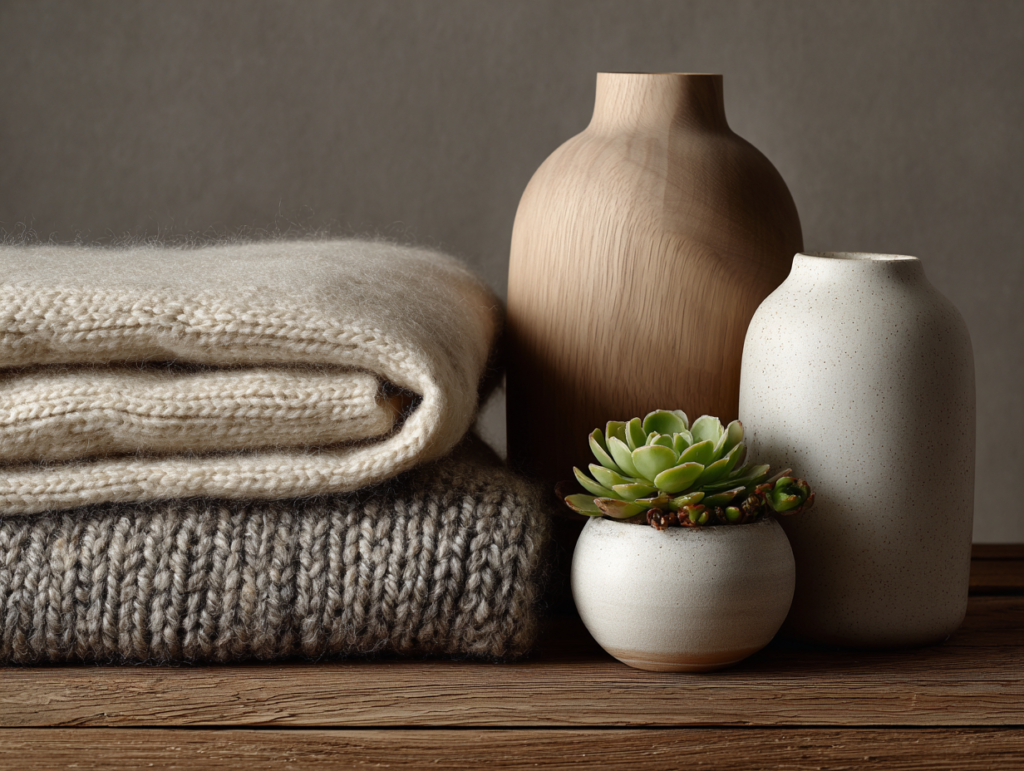
Textiles play an equally essential role, introducing softness and tactile comfort that balance wood’s structural presence. Wool—long a staple of Nordic life due to its insulating properties—appears in throws, rugs, and upholstery, adding both warmth and texture. Sheepskin provides luxurious comfort draped over chairs or layered on floors. Linen, cultivated sustainably in regions like the “flax belt” of Europe, brings breathable elegance to curtains, bedding, and table linens, its natural slubs and variations adding subtle visual interest. Cotton in its organic forms contributes to soft furnishings, while leather—typically in natural tan or cognac tones—adds refined durability to seating and accessories.
Ceramics, glass, and other artisanal materials complete the palette. Handcrafted pottery in glazed earth tones or matte whites serves both functional and decorative purposes, while glass—often in designs like the iconic Holmegaard pieces—captures and refracts light beautifully. Stone, particularly in lighter varieties like marble or limestone, appears in carefully selected surfaces, grounding spaces with its mineral presence. All materials share common qualities: they’re natural, sustainable, durable, and designed to age beautifully rather than deteriorate, embodying the intentional living principle of choosing quality pieces that endure.
Biophilic Elements: Bringing Nature Indoors
Scandinavian design has long been inherently biophilic, integrating nature through thoughtful design choices that promote mental health, vitality, and well-being. This deep connection to the natural world stems from Nordic cultural practices like “friluftsliv”—the Norwegian concept emphasizing time spent outdoors and in nature—and manifests in multiple ways throughout Scandinavian interiors.
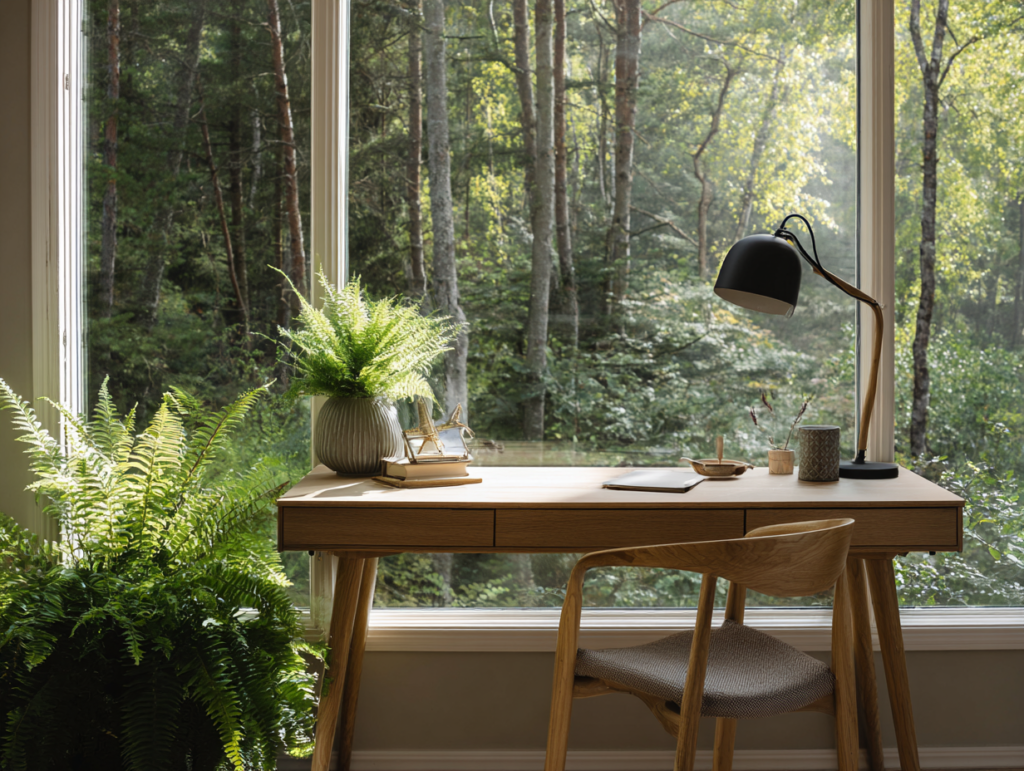
Natural light stands as perhaps the most critical biophilic element. Long, dark Nordic winters make daylight a precious resource, leading to architectural and design decisions that maximize its presence. Large windows—often floor-to-ceiling—invite abundant light indoors while providing views of the surrounding landscape. Window treatments, when used, are sheer or easily pulled aside to avoid blocking any precious sunlight. Light-colored walls and reflective surfaces amplify available light, bouncing it deeper into rooms and creating the bright, airy atmosphere that defines Scandinavian spaces.
Indoor plants serve as living links to nature, bringing vitality, oxygen, and organic forms into homes. Popular choices include resilient varieties like pothos, ferns, snake plants, rubber trees, and fiddle leaf figs, as well as succulents and herbs. Rather than overwhelming spaces with excessive greenery, Scandinavian design typically employs plants strategically—a statement tree in a corner, a collection of small pots on a windowsill, trailing vines on shelving—allowing each plant to be appreciated individually while contributing to the overall sense of natural connection.
Wooden accents throughout the home echo forests and natural landscapes, from structural beams and flooring to furniture and smaller decorative objects. Even wall treatments might incorporate wood paneling or wainscoting in lighter tones. These elements create a continuous thread of organic material that grounds inhabitants in the natural world, regardless of their urban or rural setting. Open floor plans and uncluttered layouts further enhance this connection, creating visual pathways and spatial flow that mirror the expansiveness of natural landscapes.
Color Palettes: Light, Neutral, and Nature-Inspired
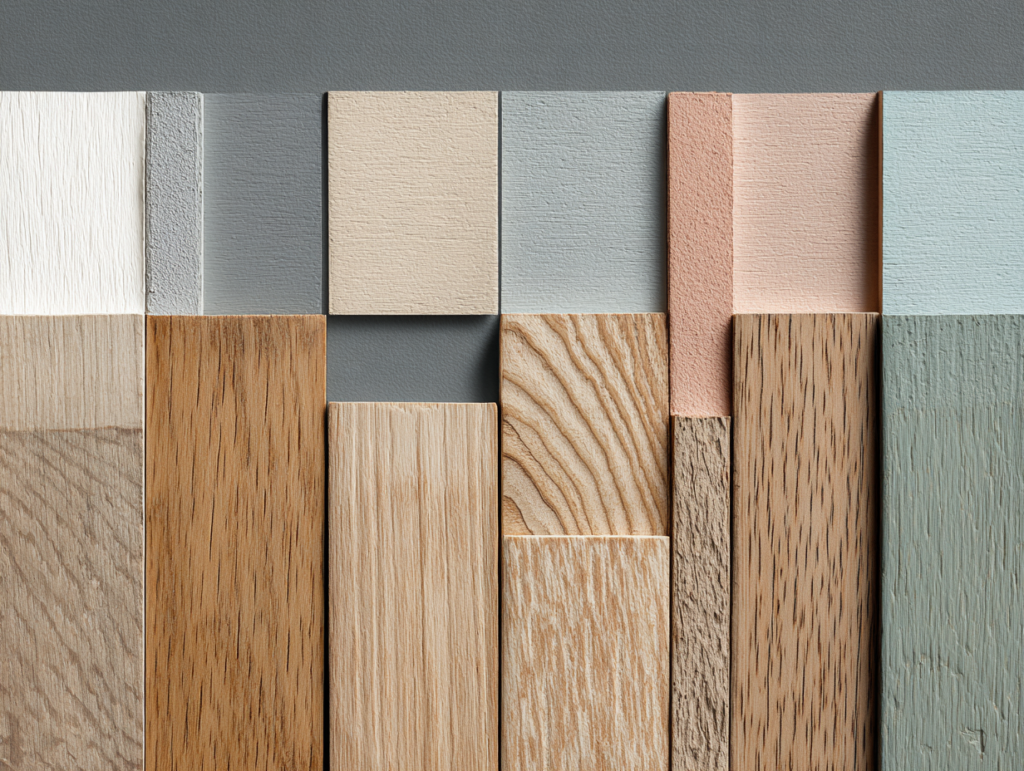
The Scandinavian color palette is intentionally restrained, drawing inspiration from Nordic landscapes—from winter’s pristine whites and icy grays to summer’s sandy beaches and forest greens. The foundation rests on soft, neutral tones that maximize light reflection and create serene, calming environments. Whites range from crisp, bright variations to warmer, creamier shades like ivory and chalk white. Light grays—from pale silver to soft dove—add sophisticated dimension without heaviness. Beiges, taupes, sand, and greige (the increasingly popular gray-beige hybrid) introduce warmth while maintaining the clean, minimalist aesthetic.
These neutrals aren’t boring—they’re versatile canvases that allow texture, form, and natural materials to shine. A room painted entirely in variations of white becomes dynamic through the interplay of light and shadow, the contrast between smooth walls and textured textiles, the warmth of wood tones against cool painted surfaces. Neutrals also provide visual rest, reducing stimulation and creating peaceful environments conducive to relaxation and mindfulness.
Subtle accent colors, when introduced, typically derive from nature: pale blues reminiscent of Nordic skies and seas, soft pinks echoing sunrise or certain wildflowers, muted greens reflecting forests and moss, gentle yellows suggesting filtered sunlight. More recently, deeper earth tones like terracotta, rust, clay pink, and sage have gained prominence, adding warmth and grounding without overwhelming the palette. These accents appear in textiles, artwork, ceramics, or single furniture pieces, providing points of visual interest while maintaining overall harmony.
The genius of this palette lies in its psychological impact. Research in color psychology confirms that neutral, nature-based colors reduce stress, improve focus, and create environments perceived as more relaxing compared to stark or overly vibrant schemes. The Scandinavian approach to color supports both the functional goal of light maximization and the emotional goal of creating nurturing, restorative spaces.
Hygge Influences: The Art of Cozy Contentment
Hygge (along with its Norwegian equivalent “koselig”) represents the soul of Scandinavian design’s warmth, transforming functional spaces into emotionally nourishing environments. This cultural concept—essentially untranslatable but roughly meaning “cozy togetherness” or “contentment in simple pleasures”—influences design choices that prioritize atmosphere, comfort, and the quality of everyday moments.
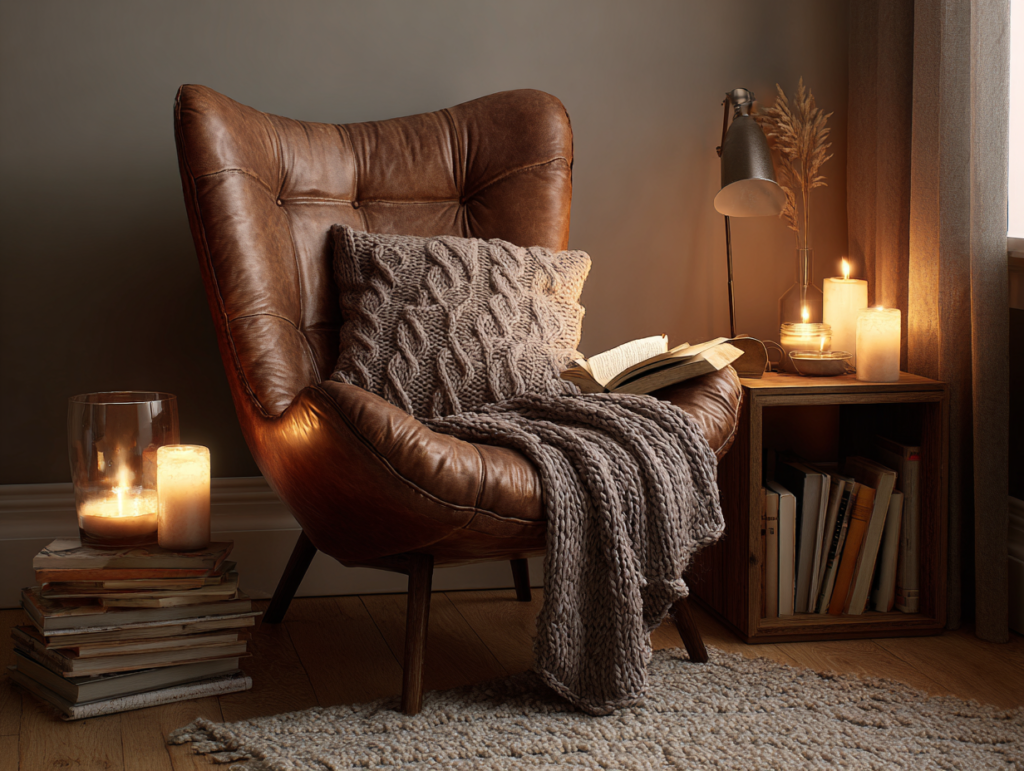
Lighting plays a crucial role in creating hygge. Beyond maximizing natural daylight, Scandinavian interiors embrace soft, warm artificial lighting through multiple sources. Candles are ubiquitous—Danes reportedly burn more candles per capita than any other nation—creating flickering, intimate glows that transform evening spaces. Table lamps, floor lamps, and pendant lights with warm-toned bulbs provide layered illumination at various heights, avoiding harsh overhead lighting in favor of gentle, ambient glow. String lights and lanterns add playful, welcoming touches.
Textiles are hygge’s physical embodiment. Layering soft materials creates inviting cocoons of comfort: a chunky knit throw draped over a sofa arm, ready to wrap around cold shoulders; sheepskin rugs providing plush warmth underfoot; linen pillows in various sizes offering both visual softness and physical support; wool blankets folded at bed’s end for chilly nights. These layers aren’t excessive—they’re purposeful additions that enhance comfort while maintaining the overall minimalist aesthetic.
Creating cozy nooks encourages the hygge practice of savoring quiet moments. A reading corner with a comfortable armchair, good lighting, and a small side table for tea; a window seat with cushions and views; a breakfast nook bathed in morning light—these dedicated spaces for specific pleasures foster mindfulness and presence. The Scandinavian home invites you to slow down, to appreciate, to simply be.
Furniture and Layout: Functional Beauty with Clean Lines
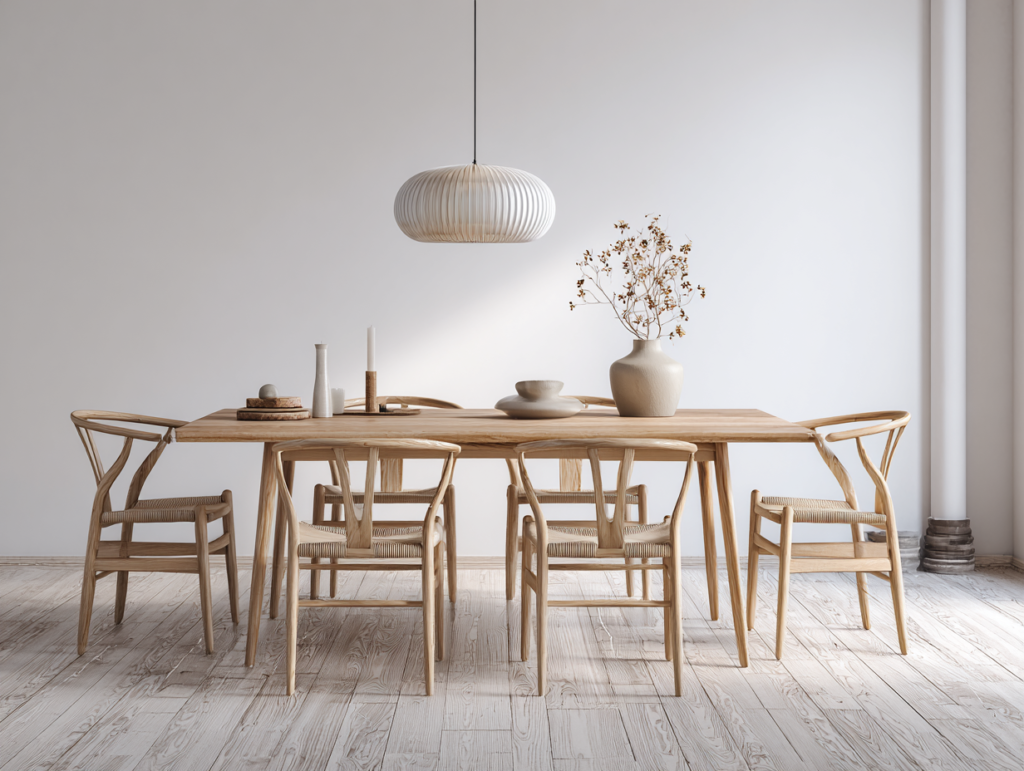
Scandinavian furniture embodies the principle that form should follow function, creating pieces that are both beautiful and practical. Clean lines, organic shapes, and thoughtful ergonomics characterize the style, with designers like Arne Jacobsen, Alvar Aalto, Hans Wegner, and Børge Mogensen creating iconic pieces that remain relevant decades after their creation. The famous Egg Chair, Paimio Chair, Wishbone Chair, and countless other designs exemplify timeless elegance through simplicity.
Furniture tends toward low-profile, streamlined silhouettes that don’t overwhelm spaces. Sofas and seating feature tapered legs that create visual lightness and make rooms feel more open. Tables—whether dining, coffee, or side tables—typically showcase simple geometric forms with natural wood tops and slender legs. Storage solutions are often modular and multipurpose, like the iconic String shelving system that adapts to various needs while maintaining minimal visual impact.
Layouts prioritize open, airy arrangements with clear circulation paths and uncluttered sightlines. Furniture is positioned to facilitate conversation and connection rather than focusing solely on television or other devices. Rooms serve multiple functions seamlessly—a dining table doubles as a workspace, a living room includes a reading nook, a bedroom incorporates a meditation corner. This flexibility reflects both practical Nordic efficiency and the intentional living principle of maximizing the utility and enjoyment of every square foot.
Accessibility and comfort are paramount. Furniture heights are carefully considered for ease of use by all ages and abilities. Seating provides proper support while inviting relaxation. Everything is designed for actual living, not just for appearance, embodying the democratic design ideal that beautiful, functional objects should be available to and comfortable for everyone.
Textures and Patterns: Layered Yet Restrained
While Scandinavian design embraces minimalism, it avoids monotony through thoughtful layering of textures and subtle patterns. This tactile richness prevents spaces from feeling stark or cold, adding depth and visual interest while maintaining overall calm.
Textures are drawn from natural materials and traditional crafts. Smooth wood grains contrast with chunky knit blankets. Soft linen contrasts with supple leather. Woven baskets add dimensional interest to shelving. Ceramic vessels display varied glazes from matte to glossy. Sheepskin’s luxurious pile provides contrast to hard flooring. These variations invite touch and create sensory richness that engages inhabitants without overwhelming them.
Patterns, when used, are typically geometric, organic, or inspired by folk traditions, appearing in textiles, ceramics, or artwork. Simple stripes, subtle plaids, delicate florals (like Marimekko’s famous prints), or abstract geometric motifs add visual rhythm. These patterns are employed judiciously—perhaps in throw pillows, a single rug, or kitchen textiles—providing personality without disrupting the serene overall aesthetic. The key is restraint: one or two patterned elements per space, allowing each to make an impact while maintaining harmony.
Embracing Nordic Wisdom for Balanced, Intentional Living
Scandinavian design offers far more than aesthetic appeal—it provides a roadmap for cultivating a balanced, intentional lifestyle rooted in centuries of Nordic wisdom. By prioritizing functionality over ostentation, quality over quantity, and presence over accumulation, this approach to home design becomes a daily practice in mindfulness and well-being. The simplicity isn’t about deprivation; it’s about liberation from excess and distraction, creating space—physically and mentally—for what truly matters: connection to loved ones, engagement with meaningful work, appreciation of beauty, and harmony with the natural world.
As you incorporate Scandinavian principles into your home, you’re not just following a design trend—you’re joining a global movement toward more sustainable, thoughtful, and human-centered living. The hygge-infused warmth of this style reminds us that minimalism needn’t be cold, that simplicity can be rich, and that the most profound luxury lies not in having everything but in having exactly what nourishes your life and nothing that doesn’t.
For those inspired by Scandinavian design’s blend of Nordic simplicity and warm minimalism, we invite you to explore other complementary styles featured on warmminimalism.com. Japandi merges Scandinavian functionality with Japanese wabi-sabi aesthetics for even deeper tranquility. Organic Modern shares the emphasis on natural materials and biophilic connection while incorporating contemporary elements. Modern Mediterranean brings similar warmth through a different cultural lens, with sun-drenched textures and earthy palettes. Rustic Modern combines Scandinavian clean lines with reclaimed materials and artisanal character. Desert Modern echoes the light-filled openness and natural material focus in a warm-climate context.
Each of these styles, like Scandinavian design itself, embodies the core principles of warm minimalism and intentional living—creating spaces that are both beautiful and meaningful, functional and soul-nourishing, minimal and wonderfully, warmly human. Explore, experiment, and discover the approach that speaks most deeply to your own vision of home.
Ready to begin your Scandinavian journey? Explore our other style guides on warmminimalism.com, join our newsletter for design inspiration and tips, or share your own Scandinavian space in our community gallery.
Join the Circle of Warmth
Sign up for the Warm By Design newsletter on warm, intentional living.