
Japandi Style
Japandi Style: Where Calm Meets Comfort
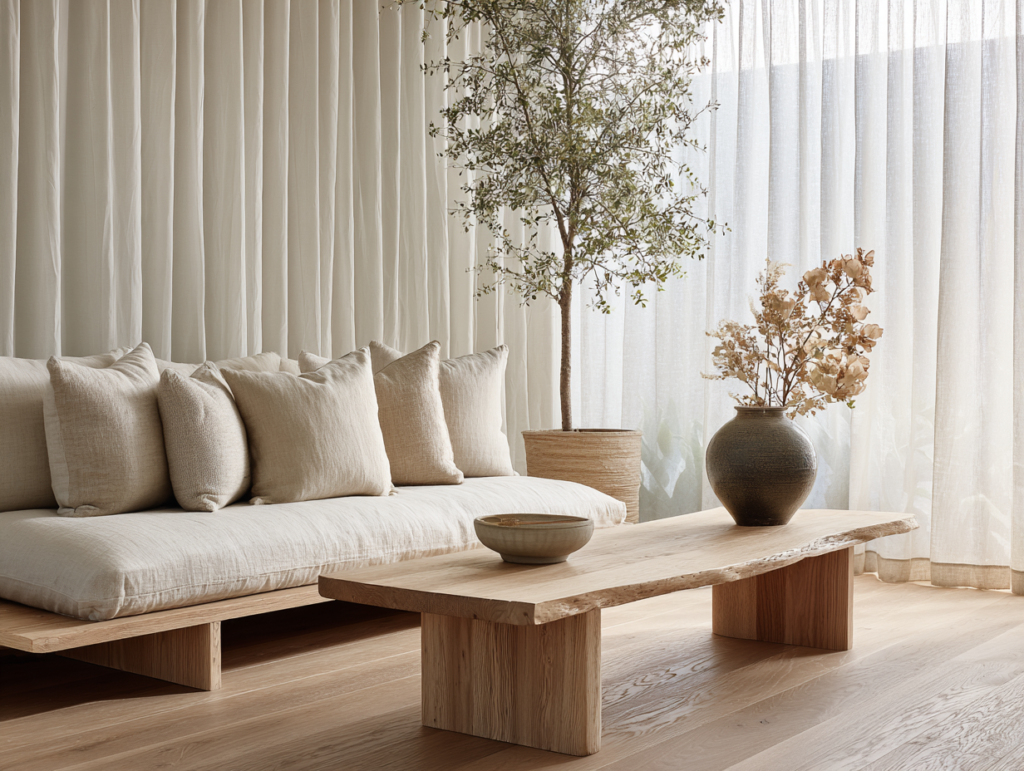
Japandi style is what happens when two design philosophies — Japanese and Scandinavian — quietly recognize themselves in one another.
It is not a fusion driven by trend.
It is a meeting of values.
Both traditions believe that a home should support the inner life of the person living there — not compete for attention.
Where Scandinavian design brings lightness and approachability, Japanese design offers grounding and restraint.
Together, they create spaces that feel balanced, intentional, and deeply livable.
Japandi does not ask you to impress anyone.
It asks you to exhale.
And in today’s visually noisy world, that invitation feels almost radical.
Where Japandi Style Comes From
Although the term “Japandi” is relatively modern, the connection between Japan and Scandinavia is not new.
For over a century, designers in both regions have admired each other’s work — drawn together by a shared respect for craftsmanship, natural materials, and quiet beauty.
Both cultures understand something essential:
A home should not overwhelm the senses.
It should restore them.
Japanese interiors have long embraced the philosophy of wabi-sabi — an appreciation for imperfection, transience, and authenticity.
Scandinavian homes, shaped by long winters, prioritize warmth, simplicity, and gentle functionality.
When these ideas meet, the result is neither stark nor ornate.
It is harmony.
Not dramatic.
Not performative.
Just deeply considered.
The Core Elements That Make Japandi Feel Like Home
Japandi is minimal — but never cold.
Every element exists to support calm living rather than visual excitement.
✨ Grounded Neutral Palettes
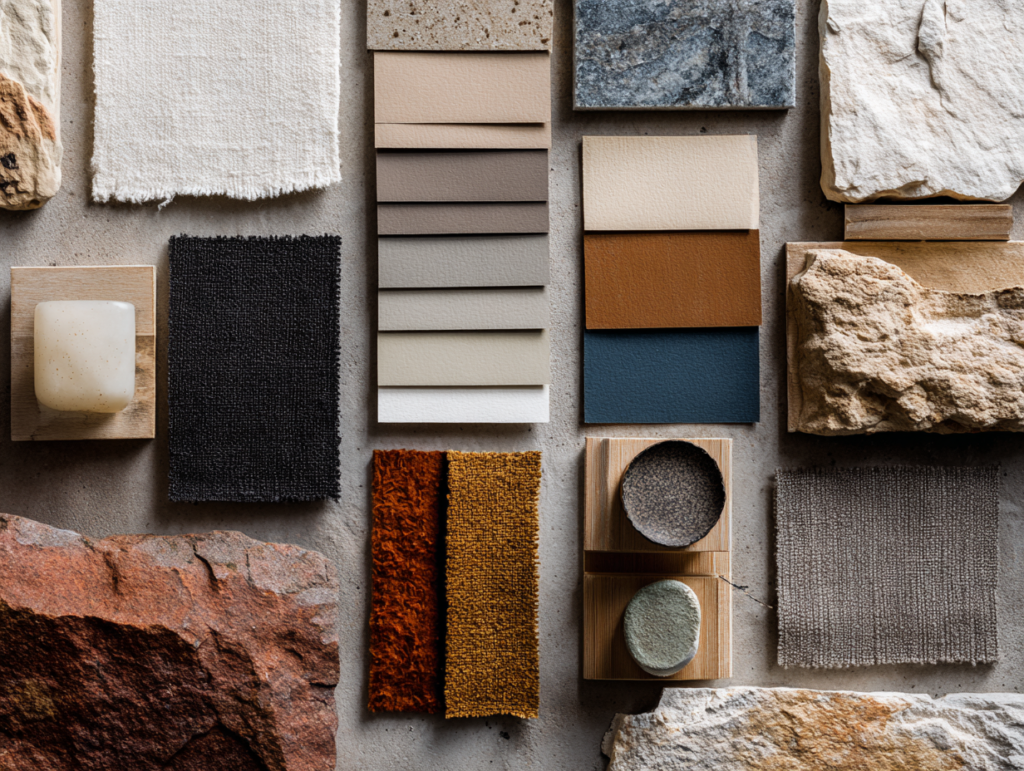
Think warm whites, soft taupes, muted greens, clay tones, and charcoal accents.
These colors don’t demand attention.
They create atmosphere.
The room feels settled — and so do you.
Natural Materials With Presence
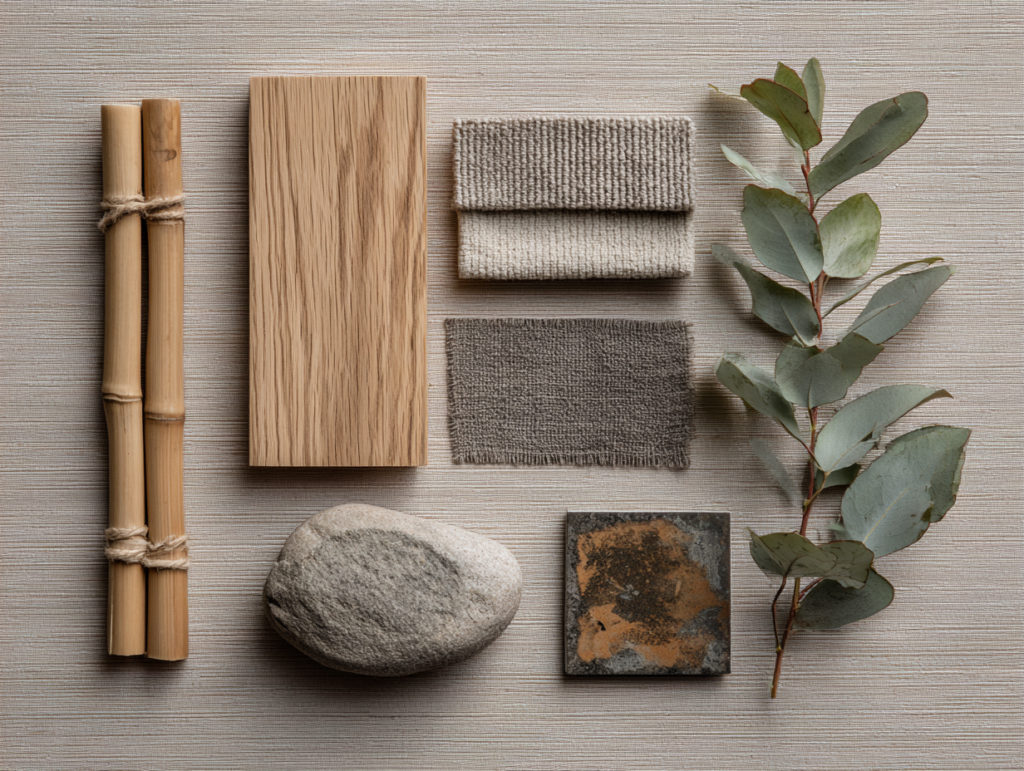
Japandi favors materials that feel honest:
• unfinished or lightly treated woods
• linen
• stone
• ceramics
• paper
• woven fibers
Nothing glossy.
Nothing shouting for admiration.
Just texture that quietly reminds you of the natural world.
Intentional Simplicity
Japandi spaces are carefully edited — but not severe.
Instead of asking “What else can I add?”
the mindset becomes:
“What is truly needed here?”
This shift often changes not just a room…
but how people begin relating to their belongings altogether.
Beauty in Imperfection
A slightly irregular vase.
Handmade pottery.
Wood grain that tells a story.
Japandi understands that perfection can feel sterile — while imperfection feels alive.
These details bring emotional warmth to minimal spaces.
Furniture That Feels Anchored
Lower profiles. Clean lines. Balanced proportions.
Japandi furniture often creates a subtle sense of groundedness — almost like the room itself is gently holding you.
It is a quiet form of psychological support.
Japandi Through the Lens of Warm Minimalism
Warm minimalism is not about owning less for the sake of less.
It is about creating space for what matters.
Japandi expresses this beautifully.
Where some minimalist interiors can feel visually sharp, Japandi softens the experience.
Edges relax.
Textures deepen.
Stillness becomes welcoming rather than austere.
In many ways, Japandi shows us that restraint and comfort are not opposites — they are partners.
A thoughtfully edited room often allows the nervous system to rest.
And when the home feels restful, life inside it begins to feel more spacious too.
How to Bring Japandi Style Into Your Home
You do not need to redesign everything to begin experiencing the calm this style offers.
Small, intentional shifts often create the biggest emotional impact.
☀️ Let the Room Breathe
Resist the urge to fill every corner.
Space is not emptiness — it is a design element.
Chose Fewer, Better Things
Look for pieces that feel timeless rather than trendy.
When objects carry a sense of longevity, the home begins to feel steadier.
Lean Toward Natural Texture
Even one linen pillow, a ceramic lamp, or a wooden tray can soften an otherwise modern room.
Texture invites the body to relax.
Favor Gentle Lighting
Avoid overly bright overhead lights when possible.
Lamps that cast a warm glow help transition the home into evening calm — something both Japanese and Scandinavian cultures deeply value.
Keep Styling Thoughtful
Japandi is not about decorative abundance.
A single branch in a vase often speaks louder than an elaborate arrangement.
Restraint creates clarity.
Why People Are Drawn to Japandi
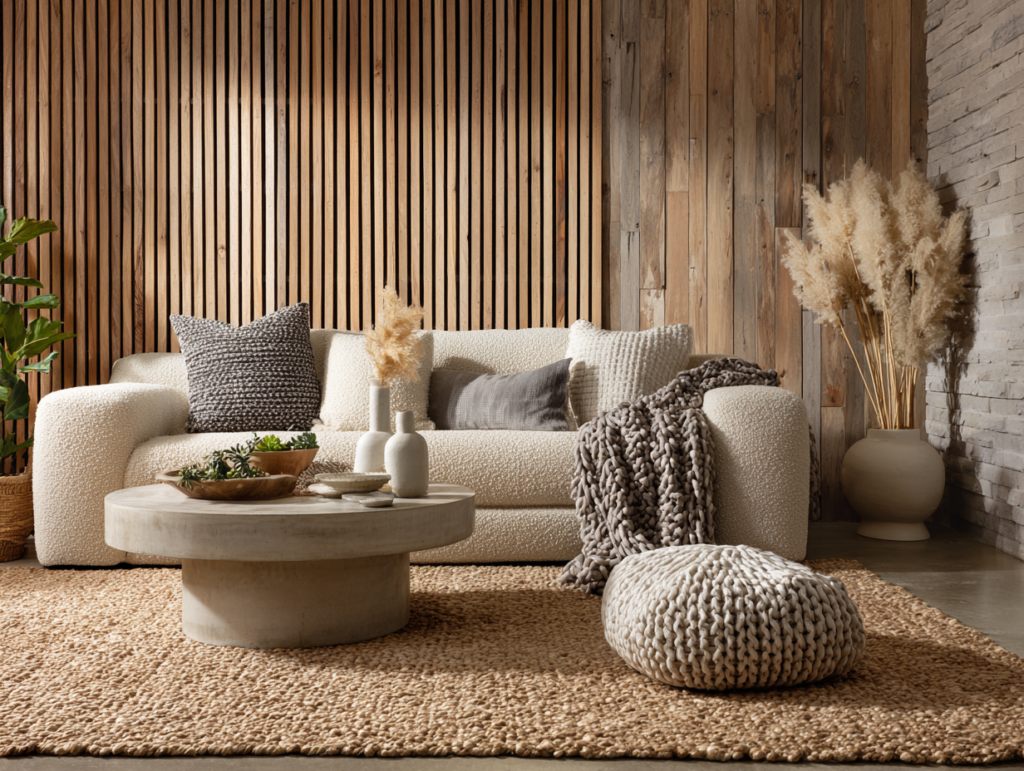
Many people discover Japandi during seasons of life when excess begins to feel tiring.
Not dramatic excess — just the quiet accumulation that modern living encourages.
Japandi offers another way.
Homes designed in this style often feel:
• calmer
• more intentional
• easier to maintain
• visually restful
But perhaps most importantly…
They feel supportive rather than demanding.
And that changes how people experience daily life inside their walls.
Common Questions
Is Japandi just minimalism?
Not quite. It is minimalism softened by texture, craftsmanship, and emotional warmth.
Can Japandi feel cozy?
Very much so — especially when layered with natural textiles and warm lighting.
Does everything need to match?
No. Japandi favors harmony over uniformity.
Is this style expensive to achieve?
Not necessarily. Thoughtful editing often matters more than buying new things.
Want to Explore Further?
If the balance and restraint of Japandi resonate with you, you may also enjoy exploring:
- Scandinavian Design — for a lighter, airier interpretation of calm living rooted in simplicity and natural light.
- Organic Modern — where clean structure is softened with texture and grounded materials.
- Desert Modern — for a more architectural approach to spaciousness and earth-toned serenity.
Each style expresses minimalism differently — but all share a desire to create homes that feel intentional and deeply livable.
A Quiet Guiding Thought
Japandi reminds us that a home does not need to be filled to feel complete.
Sometimes, when we create a little more space around us…
we begin to feel more spacious within our lives as well.
And in that spaciousness, there is often a deeper kind of comfort — one that doesn’t call for attention, but gently supports us every day.
Ready to begin your Japandi journey? Explore these complementary styles on warmminimalism.com, join our newsletter for design inspiration and sustainable living tips, or share your own Japandi space in our community gallery. Your home is waiting to become the sanctuary you deserve.
Join the Circle of Warmth
A quiet letter on warm, intentional living — delivered occasionally.