A Complete Guide to Japandi Design for Calm, Intentional Living
Japandi Design: The Harmony of Japanese Wabi-Sabi and Scandinavian Hygge
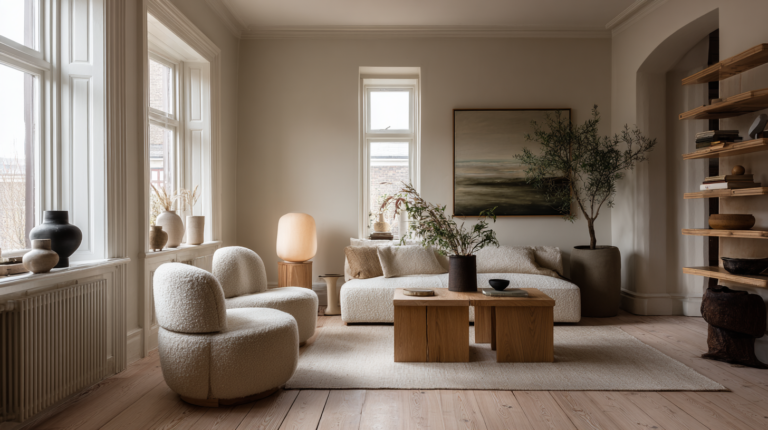
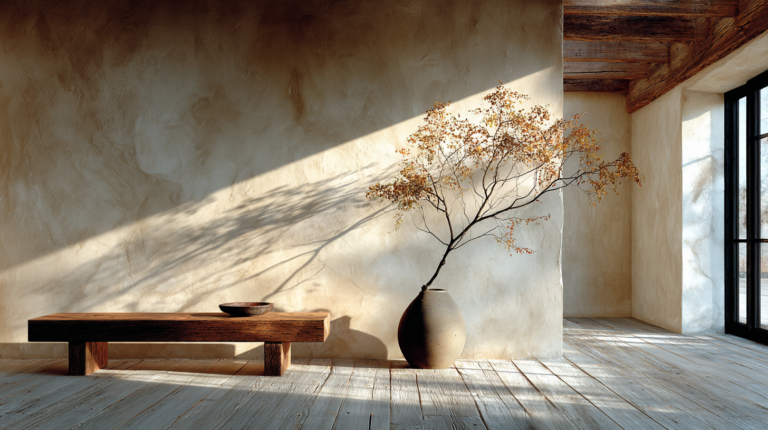
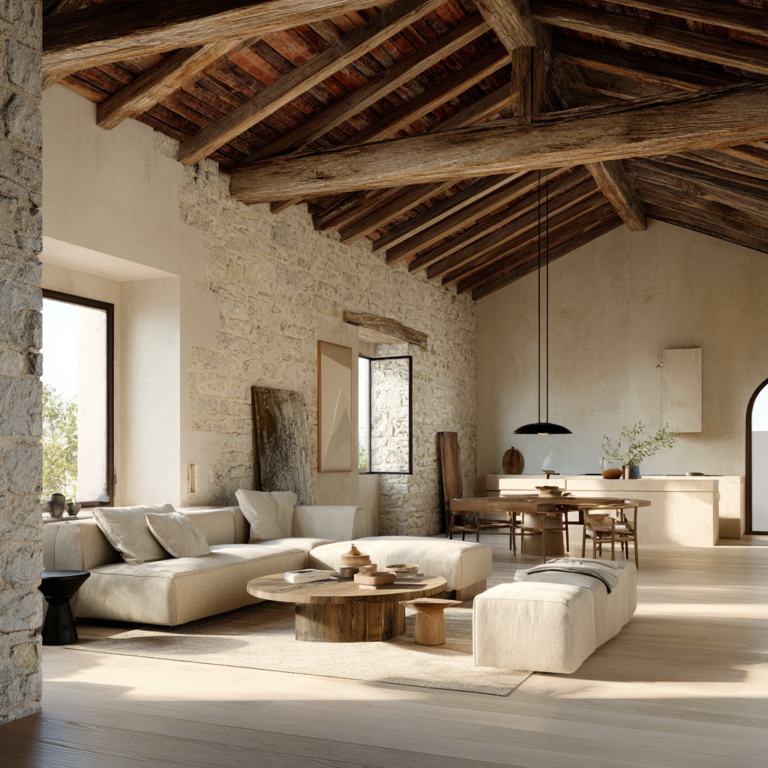
Japandi design represents the seamless fusion of Japanese wabi-sabi philosophy and Scandinavian minimalism—two design traditions rooted in simplicity, craftsmanship, and deep respect for nature.
While separated geographically, both cultures share a reverence for restraint, natural materials, and intentional living.
Japandi is not a trend.
It is a philosophy expressed spatially.
At its core, Japandi blends the warmth and hygge of Nordic interiors with the quiet imperfection and transience embraced in Japanese aesthetics.
The result is calm, grounded, balanced interiors that feel refined yet deeply human.
How Japandi Embodies Warm Minimalism and Intentional Living
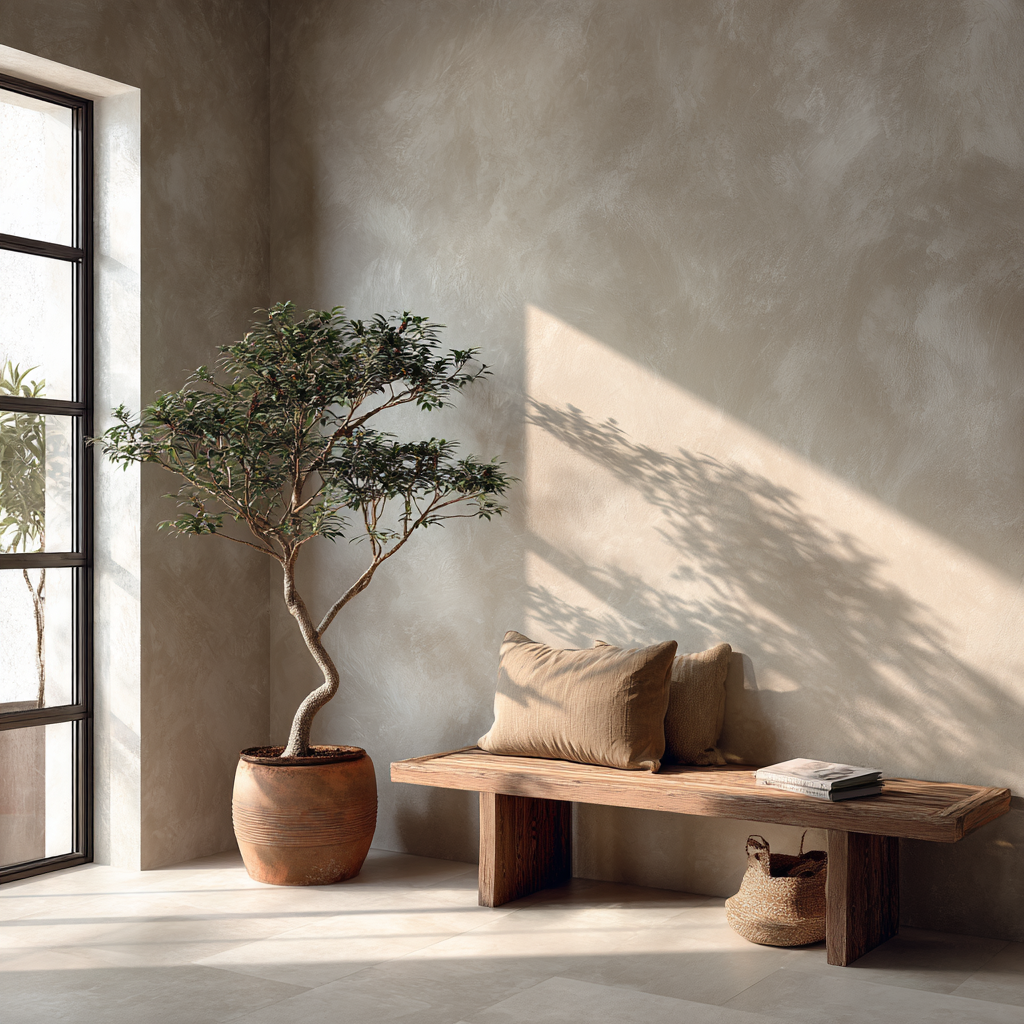
Japandi perfectly illustrates warm minimalism by combining:
• Scandinavian comfort
• Japanese restraint
• Natural materiality
• Purposeful living
The space feels uncluttered yet warm.
Minimal yet soulful.
Structured yet organic.
Wabi-Sabi and Imperfect Beauty
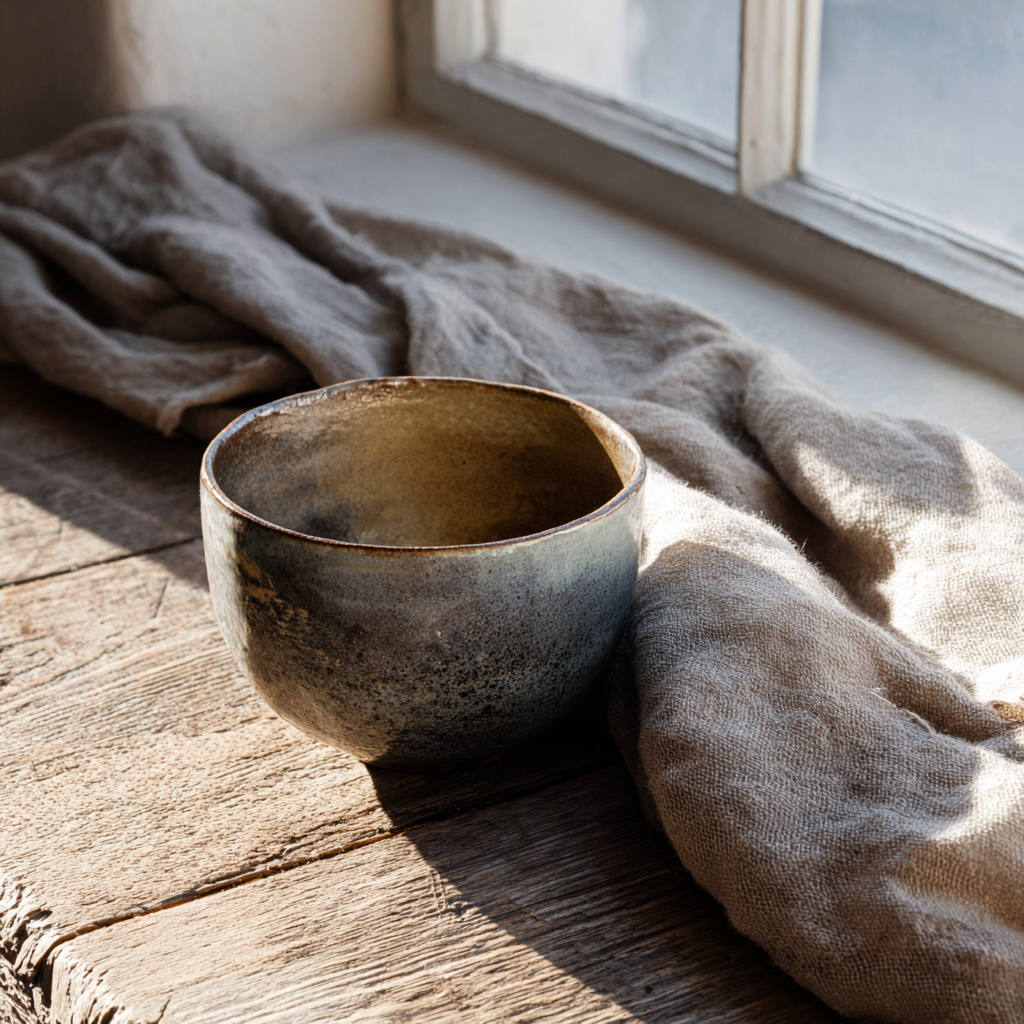
The Japanese concept of wabi-sabi embraces imperfection, asymmetry, weathering, and natural aging.
Rather than seeking perfection, Japandi interiors honor:
• Visible wood grain
• Handmade ceramics with subtle irregularities
• Patinated metals
• Linen with natural texture
These elements celebrate authenticity.
Nothing feels mass-produced.
Nothing feels excessive.
Hygge and Comfort
From Scandinavia comes hygge—comfort, warmth, and contentment in everyday life.
Japandi spaces soften minimal lines with:
• Layered textiles
• Warm wood tones
• Soft lighting
• Balanced compositions
The atmosphere is serene, but never stark.
Sustainability and Craftsmanship
Both Japanese and Scandinavian traditions emphasize craftsmanship and longevity.
Japandi supports intentional living through:
• Fewer, higher-quality pieces
• Handmade furniture and decor
• Sustainable woods and natural textiles
• Timeless design over fast trends
A Japandi dining table is not seasonal.
It is generational.
Objects are chosen carefully and live with you for years.
Key Elements of Japandi Design
Materials: Natural, Honest, and Durable
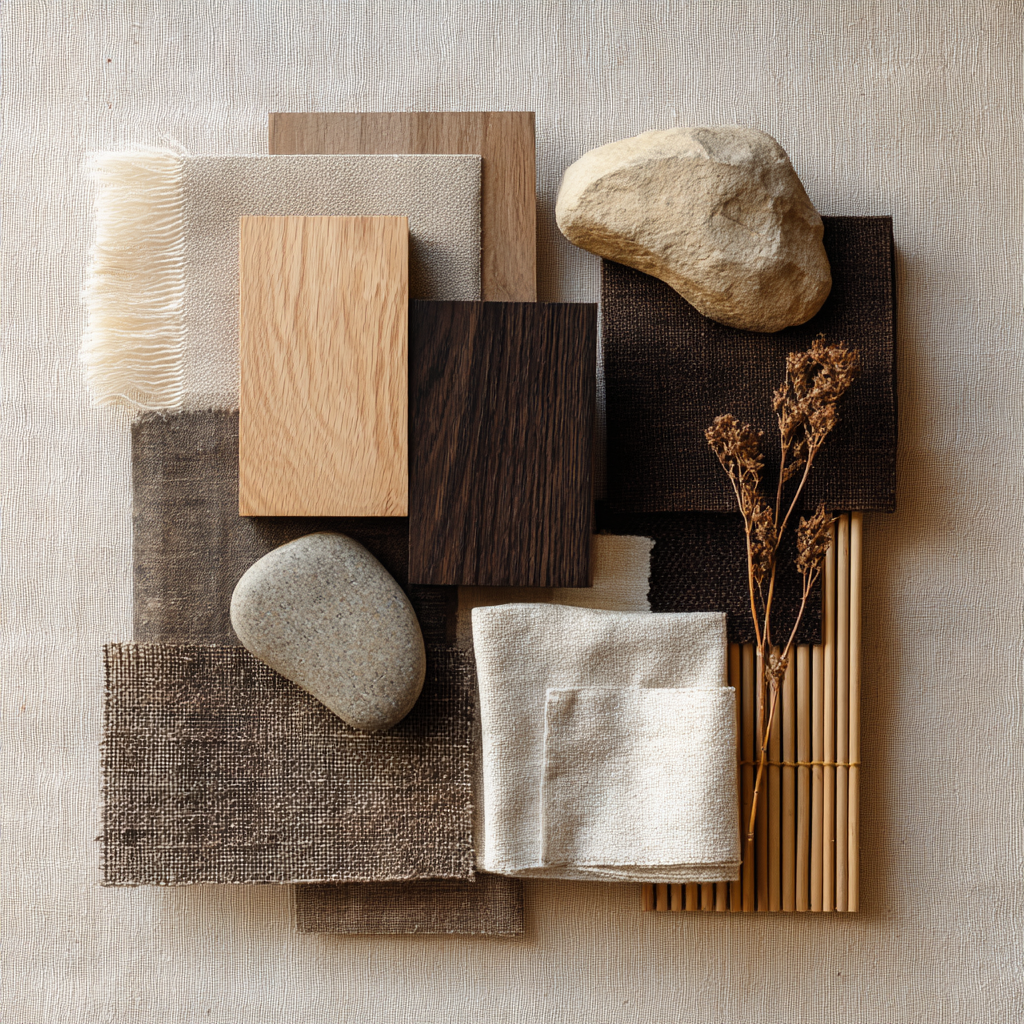
Japandi materials are grounded in nature and authenticity.
Common materials include:
• Light oak and ash (Scandinavian influence)
• Darker walnut or charred wood (Japanese influence)
• Linen and cotton textiles
• Bamboo and rattan accents
• Handmade ceramics
• Stone surfaces
• Matte metals in black or aged brass
Finishes are typically matte, not glossy.
Textures are natural, not synthetic.
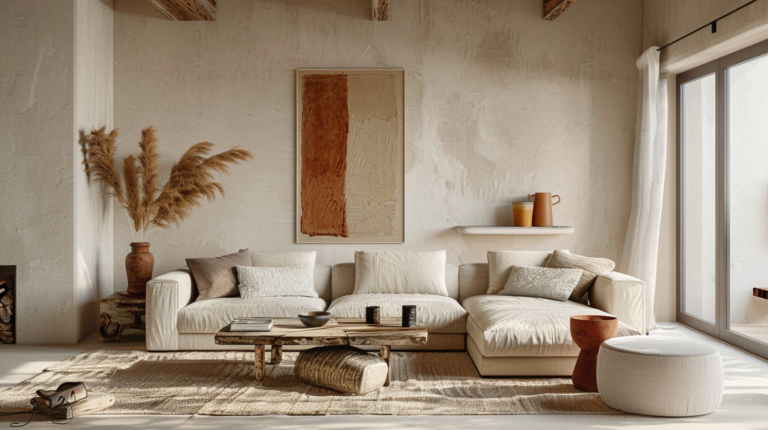
Color Palette: Calm, Earth-Based, Balanced
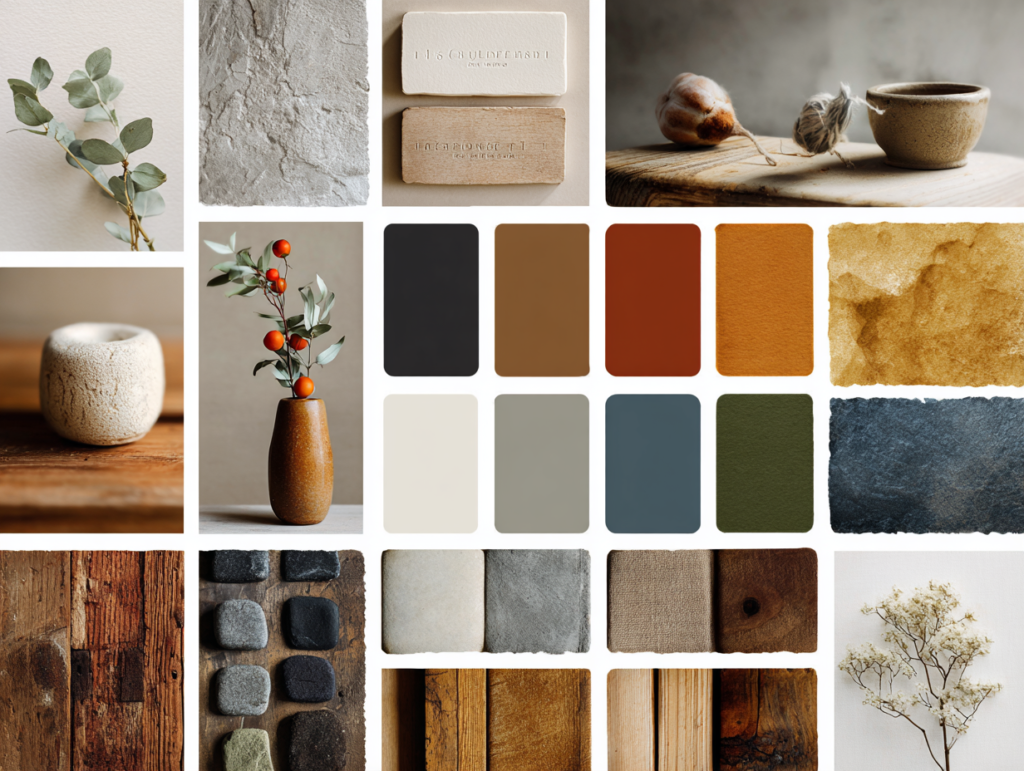
Japandi color palettes lean slightly deeper and moodier than pure Scandinavian design.
Foundation colors include:
• Warm white
• Soft greige
• Light taupe
• Mushroom tones
• Warm gray
Accent tones may include:
• Charcoal
• Deep olive
• Clay
• Muted navy
• Terracotta
The palette is grounded.
Never bright.
Never loud.
Balance between light and dark is essential.
Furniture and Layout: Low, Balanced, Intentional
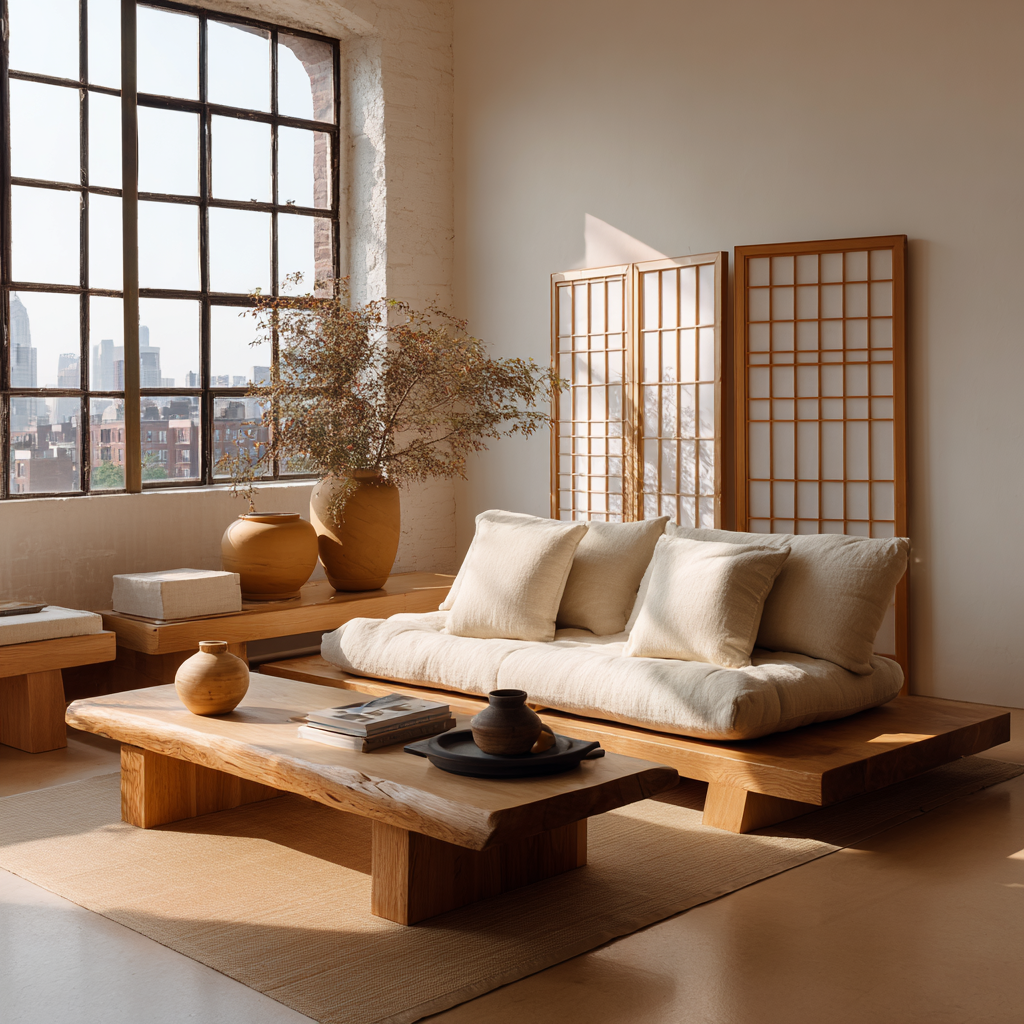
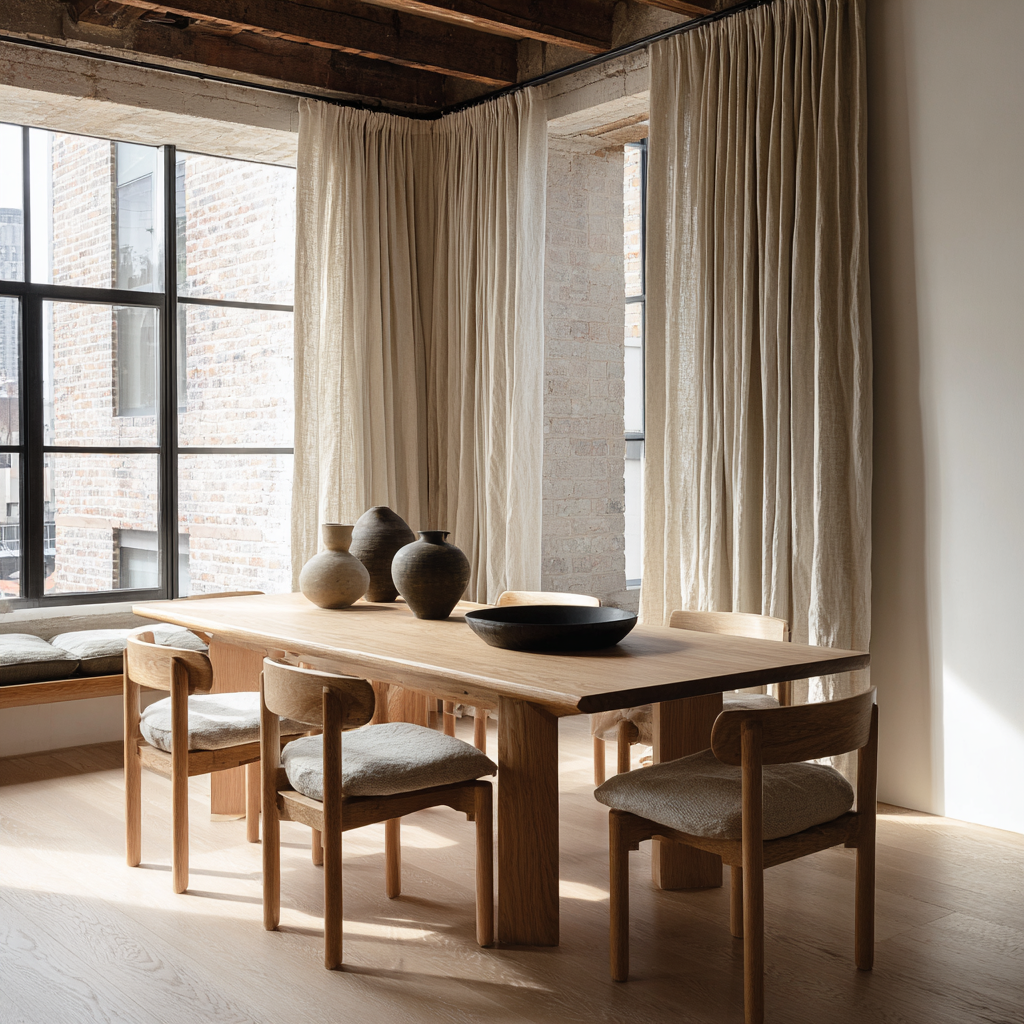
Japandi furniture is typically:
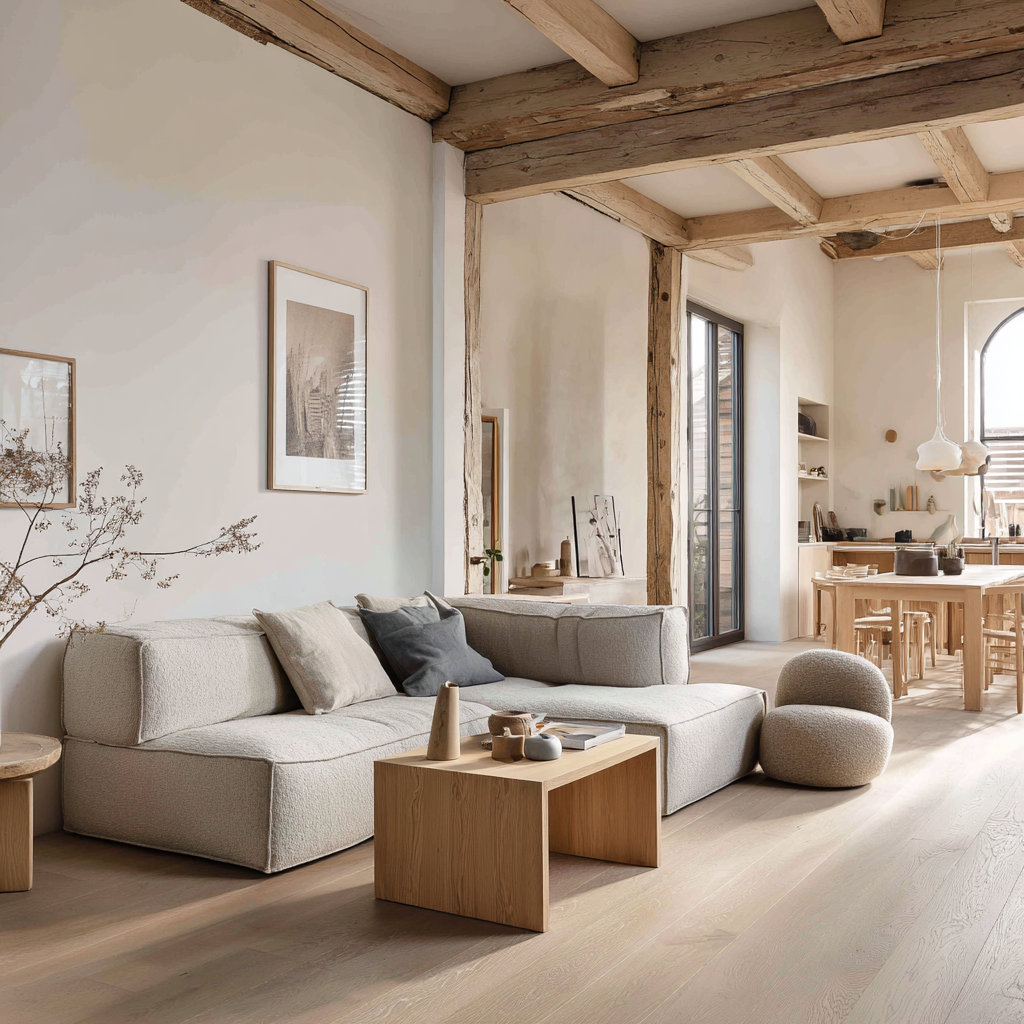
• Low-profile
• Clean-lined
• Structured yet soft
• Crafted from solid wood
• Visually lightweight
Common features include:
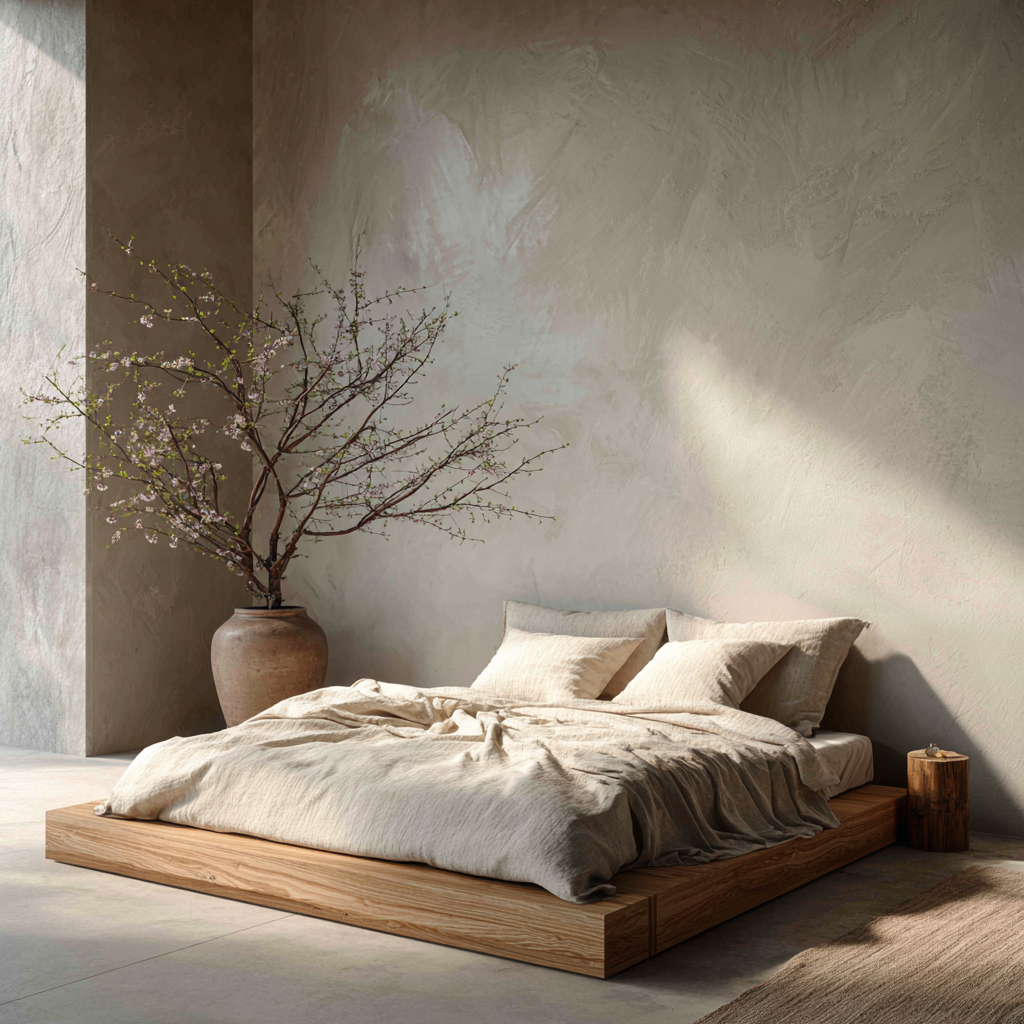
• Platform beds
• Low sofas
• Floating wood shelves
• Minimal cabinetry
• Tatami-inspired layouts
• Balanced symmetry
Open space is intentional.
Negative space is part of the design.
Rooms breathe.
Textures and Layering
Texture prevents Japandi from feeling sterile.
Layer thoughtfully:
• Linen bedding
• Wool throws
• Woven baskets
• Tatami mats
• Paper lantern lighting
• Raw wood finishes
Avoid heavy pattern.
Use texture as the visual interest.
Organic materials replace decorative excess.
Practical Tips for Incorporating Japandi Design Into Your Home
Start with Decluttering
Remove excess first.
Japandi requires visual calm before aesthetic layering.
Keep only:
• Functional pieces
• Meaningful objects
• Items that support daily rituals
Invest in One Anchor Piece
Choose a foundational element:
• Solid wood dining table
• Low-profile sofa
• Platform bed
• Minimal wood shelving
Let that piece set the tone.
Balance Light and Dark
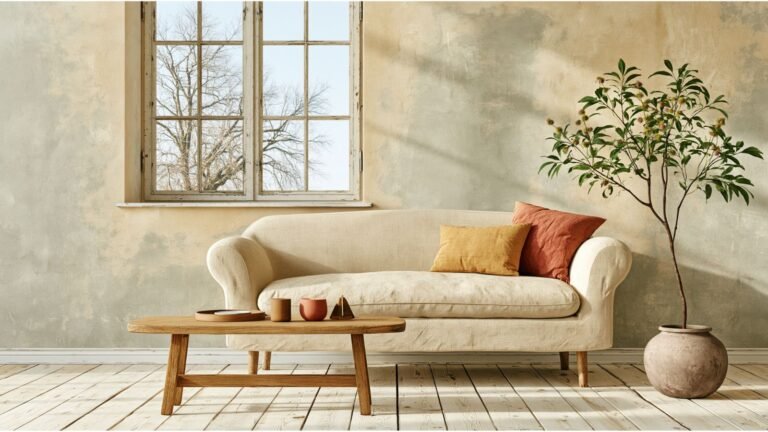
If walls are light, introduce darker accents through:
• Furniture
• Art
• Ceramics
• Textiles
If floors are dark, keep walls soft and airy.
Balance is everything.
Emphasize Craft Over Decoration
Replace decorative clutter with:
• Handmade pottery
• Sculptural wood bowls
• A single branch in a ceramic vase
• Textural art
Less.
But better.
Focus on Lighting
Use:
• Paper lantern pendants
• Warm LED bulbs (2700K–3000K)
• Table lamps at varied heights
• Soft indirect lighting
Avoid harsh overhead glare.
Atmosphere matters.
Japandi as a Lifestyle
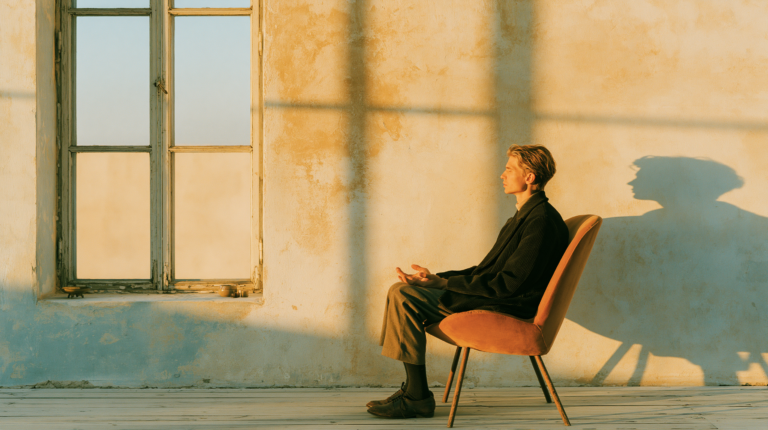
Japandi design is not only visual—it is behavioral.
It encourages:
• Slower living
• Intentional purchasing
• Respect for craftsmanship
• Mindful daily rituals
• Quiet reflection
It is simplicity with depth.
Stillness with warmth.
Structure with soul.
Japandi complements other warm minimalism styles beautifully:
• Scandinavian Design shares its lightness and function.
• Organic Modern Design shares its material authenticity.
• Rustic Modern Design shares its craftsmanship focus.
• Desert Modern Design shares its restraint and nature connection.
• Modern Mediterranean Design shares its warmth and grounded palette.
Each style expresses the same philosophy through a different cultural lens.
Join the Circle of Warmth
A quiet letter on warm, intentional living — delivered occasionally.