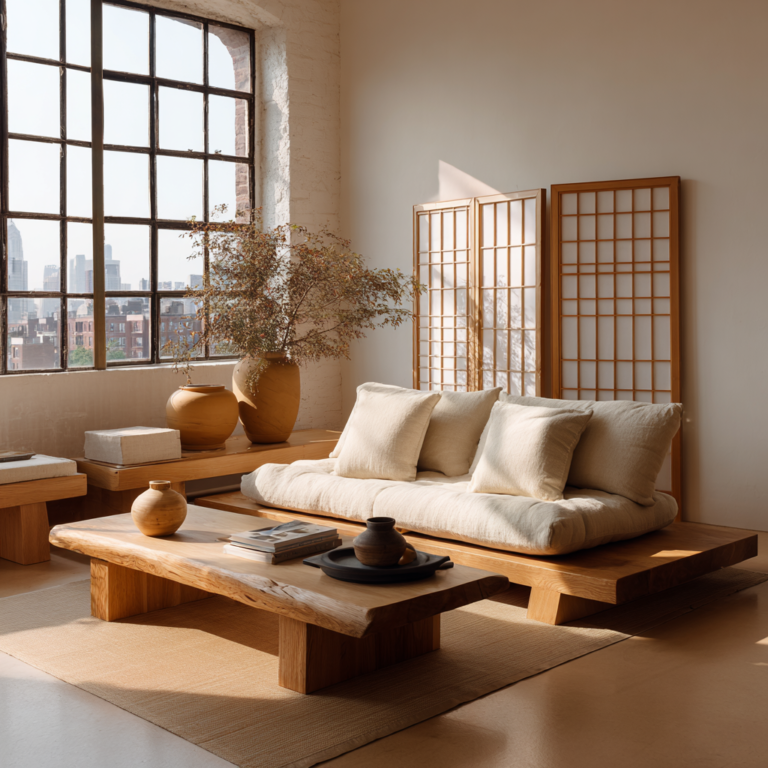
Warm Minimalism for Beginners
We have all felt the subtle weight of a room that asks too much of us—a space either so crowded with “stuff” that our eyes cannot find rest, or so clinical and cold that it feels more like a gallery than a home. Warm minimalism is an invitation to step away from those extremes and return to a way of living that prioritizes clarity, ease, and intentionality. It is not merely a design trend; it is an emotional infrastructure designed to support your nervous system and help you feel more at home within your own life.
For the beginner, warm minimalism—often called “soft minimalism”—offers a path toward a clutter-free environment that still feels deeply human and restorative. It is the art of “curation for the sake of comfort,” where every piece has a soul, a purpose, and a reason for being. This approach recognizes that beauty is not separate from well-being; rather, it is a essential support for it.
The Evolution of Stillness: History and Origins
The roots of warm minimalism are found in a rejection of the overly decorative styles of the 19th century, evolving through the 20th-century Bauhaus movement where the concept of “less is more” was born. While traditional minimalism often relied on industrial materials like glass, steel, and concrete to create a sense of universal order, it frequently left inhabitants feeling cold or sterile.
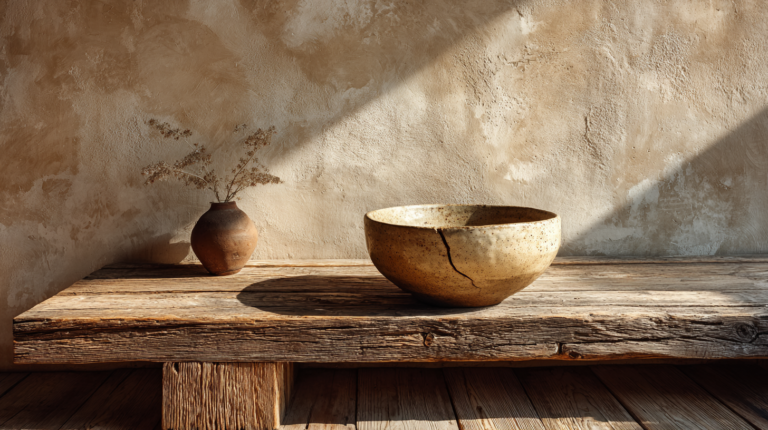
In the late 2010s, a “tactile turn” occurred as designers began to blend these clean lines with the soulful aesthetics of other cultures. Most notably, the “Japandi” movement emerged as a fusion of Japanese Zen-like tranquility and Scandinavian “hygge”—the Danish practice of creating a cozy, comforting environment. By combining the Japanese reverence for imperfection (wabi-sabi) with the Nordic focus on functionality and light, a more approachable, “living” version of minimalism was born.
The Language of the Home: Key Characteristics
To master the warm minimalist interiors aesthetic, one must look at the room through a sensory lens rather than a decorative one.
A Restorative Palette
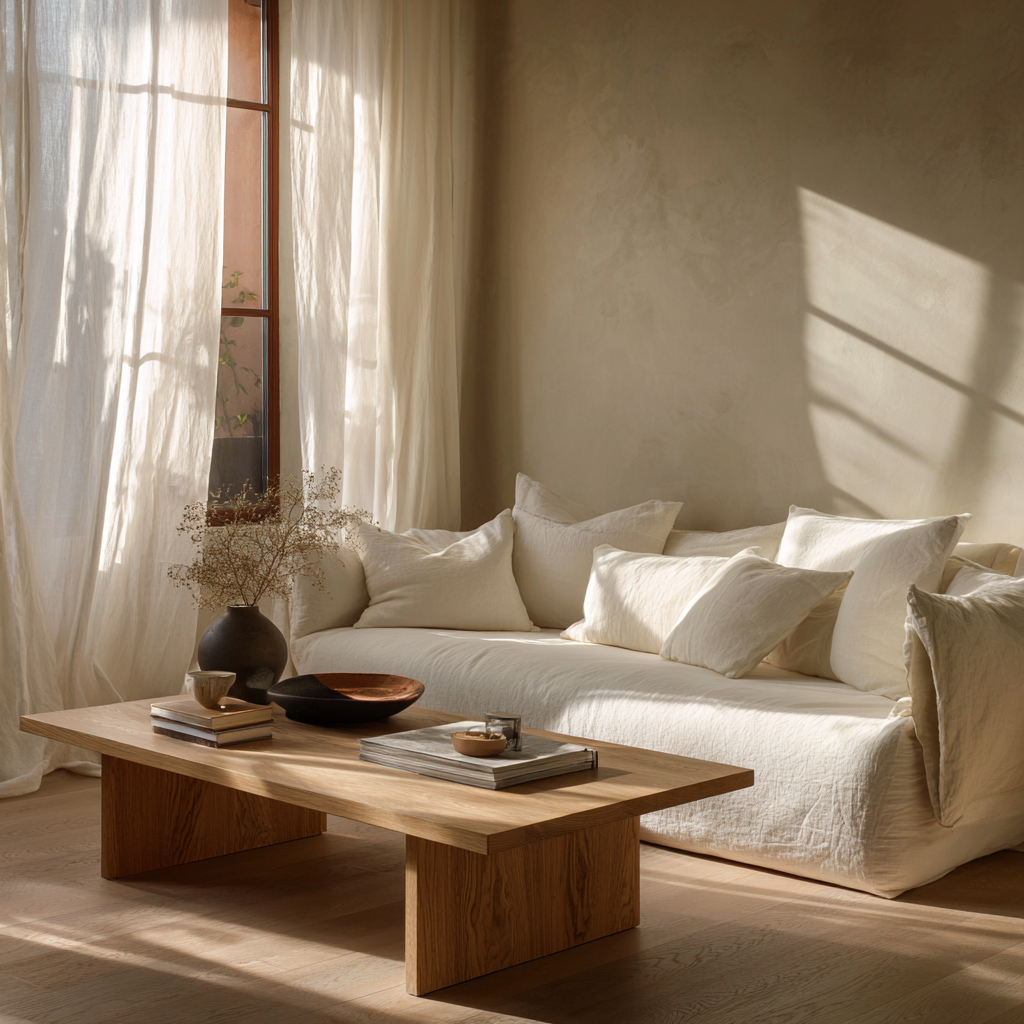
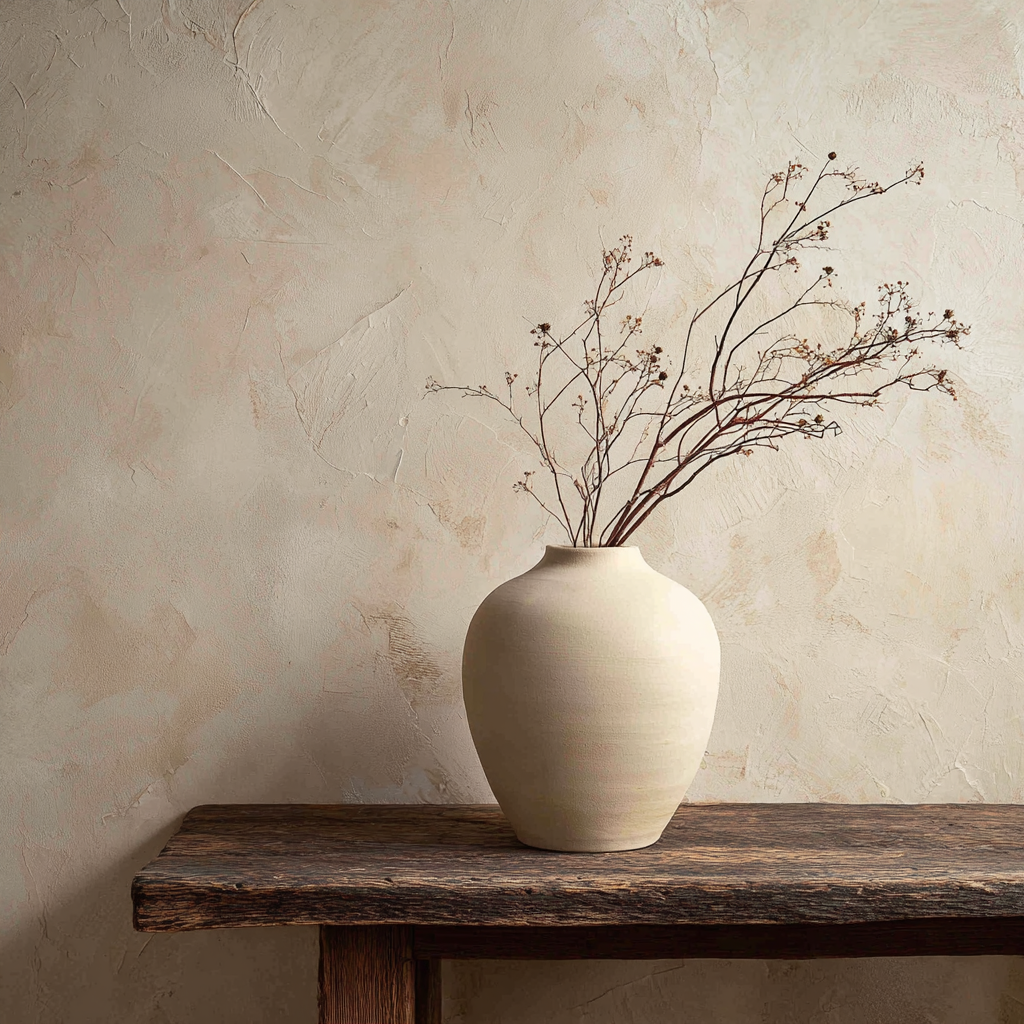
The foundation of a cozy minimalist home starts with colors that evoke a sense of serenity. Ditch the stark whites and move toward “saturated neutrals”—quiet shades with depth like beige, taupe, cream, and “Cloud Dancer,” a soft white favored for its ability to anchor a room in calm. You can then gently layer in earthy accents like terracotta, muted sage, ochre, or sepia to add richness without overstimulating the eyes.
Material Intelligence
Warm minimalism celebrates natural, authentic materials that patina and age gracefully.
- Wood: Light-toned woods like white oak, maple, and birch act as a biological bridge to the natural world, infusing a space with immediate warmth.
- Textiles: Breathable natural fibers like linen, wool, and cotton add essential tactile depth.
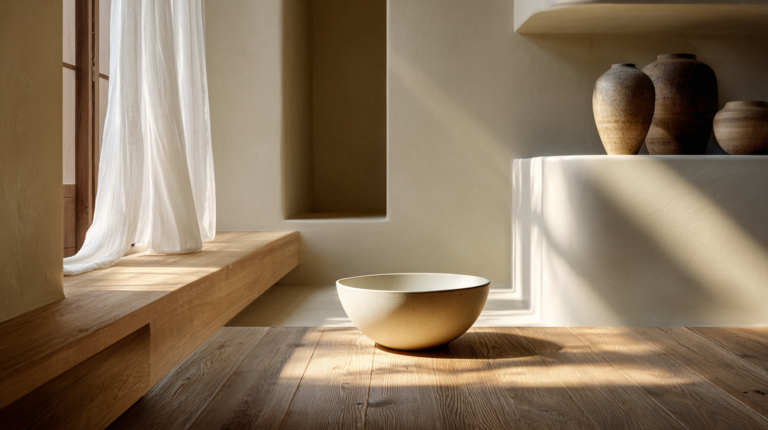
- Stone and Clay: Honed stone, travertine, and hand-thrown ceramics introduce a sense of permanence and “the mark of the maker”.
[Image: A warm minimalist bedroom corner with a light birch wood bed frame, layered linen bedding in oatmeal and terracotta, and a thick wool knit throw.]
Furniture and Forms
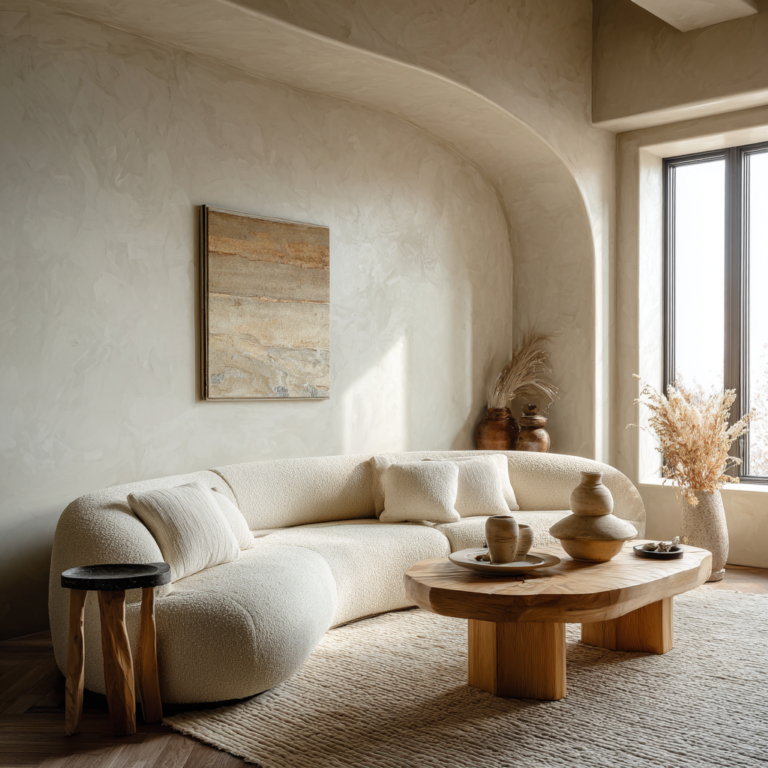
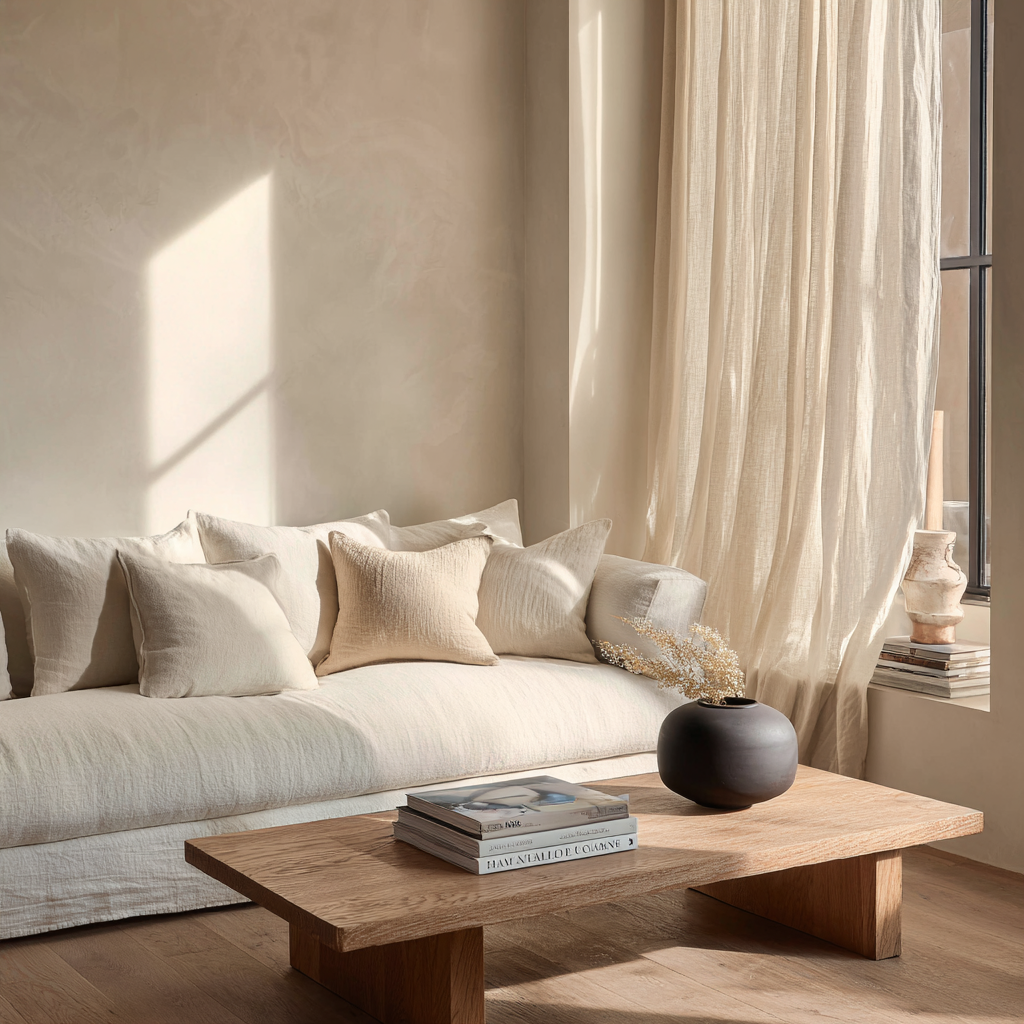
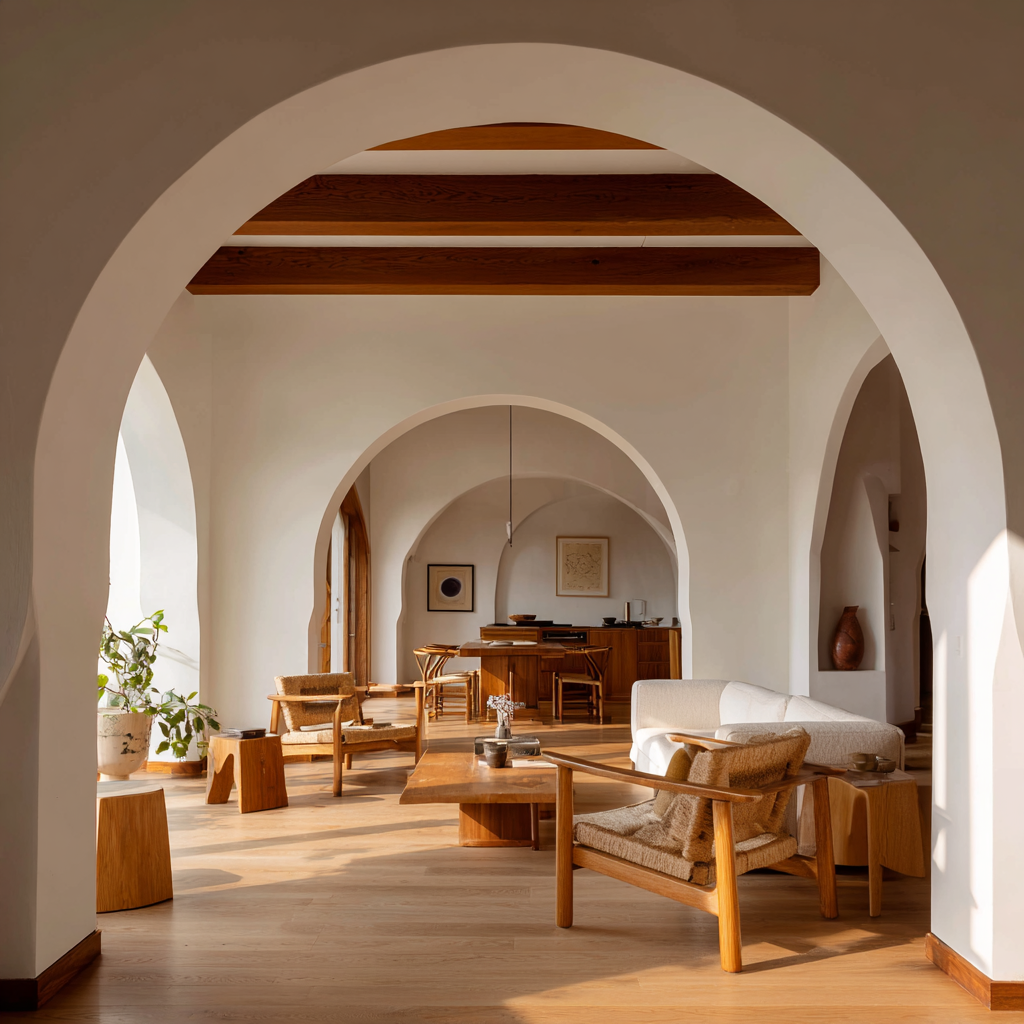
When selecting furniture, prioritize quality over quantity and look for simple silhouettes that favor “soft edges”. Low-slung sofas with simple forms and rounded, fluid curves help activate the parasympathetic nervous system, fostering a sense of physical safety. Every piece should “earn its keep” by being either highly functional or deeply meaningful.
The Alchemy of Light
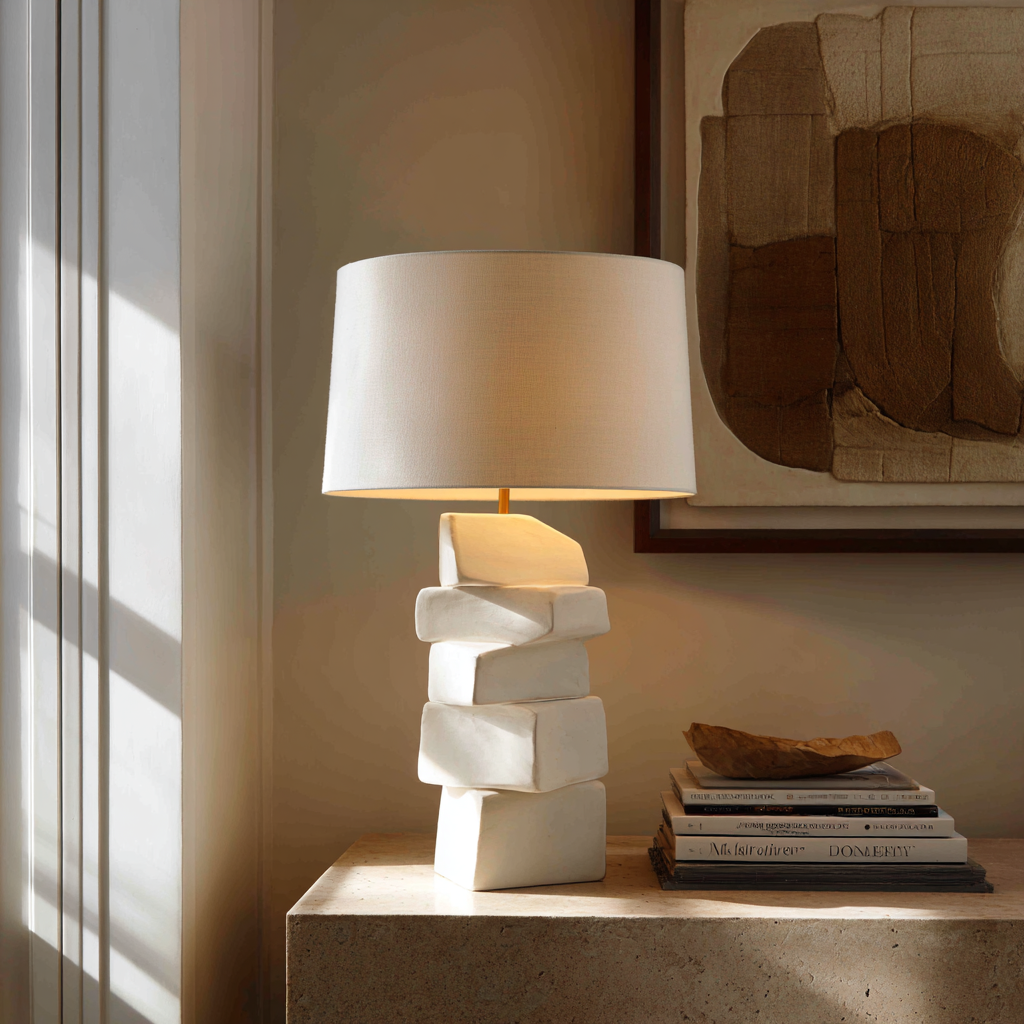
Lighting is a primary design tool, not a mere utility. Avoid harsh overhead fixtures and instead layer your lighting with warm-toned bulbs (typically between 1800K and 3000K) to mimic the soothing quality of sunset. Sculptural table lamps with linen or paper shades create a soft, inviting glow that signals to your body it is time to rest.
Living Well: The Benefits of a Calmer Space
Embracing warm minimalism design provides profound benefits that reach far beyond aesthetics.
- Emotional Regulation: By stripping away “visual noise” and clutter, you create a “neutral zone” that allows the brain to rest, significantly reducing anxiety and daily stress.
- Enhanced Focus: A streamlined environment with clean lines and uncluttered surfaces serves as a catalyst for productivity and mindful activities.
- Sustainable Connection: This philosophy encourages “conscious consumption,” where you choose fewer, better things made from eco-friendly, durable materials.
- Restorative Sleep: Wellness-driven bedrooms that prioritize sensory silence and atmospheric lighting are essential for deep, restorative sleep.
Room by Room: Implementation for Beginners
You do not need to overhaul your entire home at once; start by finding the “heart” of your space.
The Social Living Room
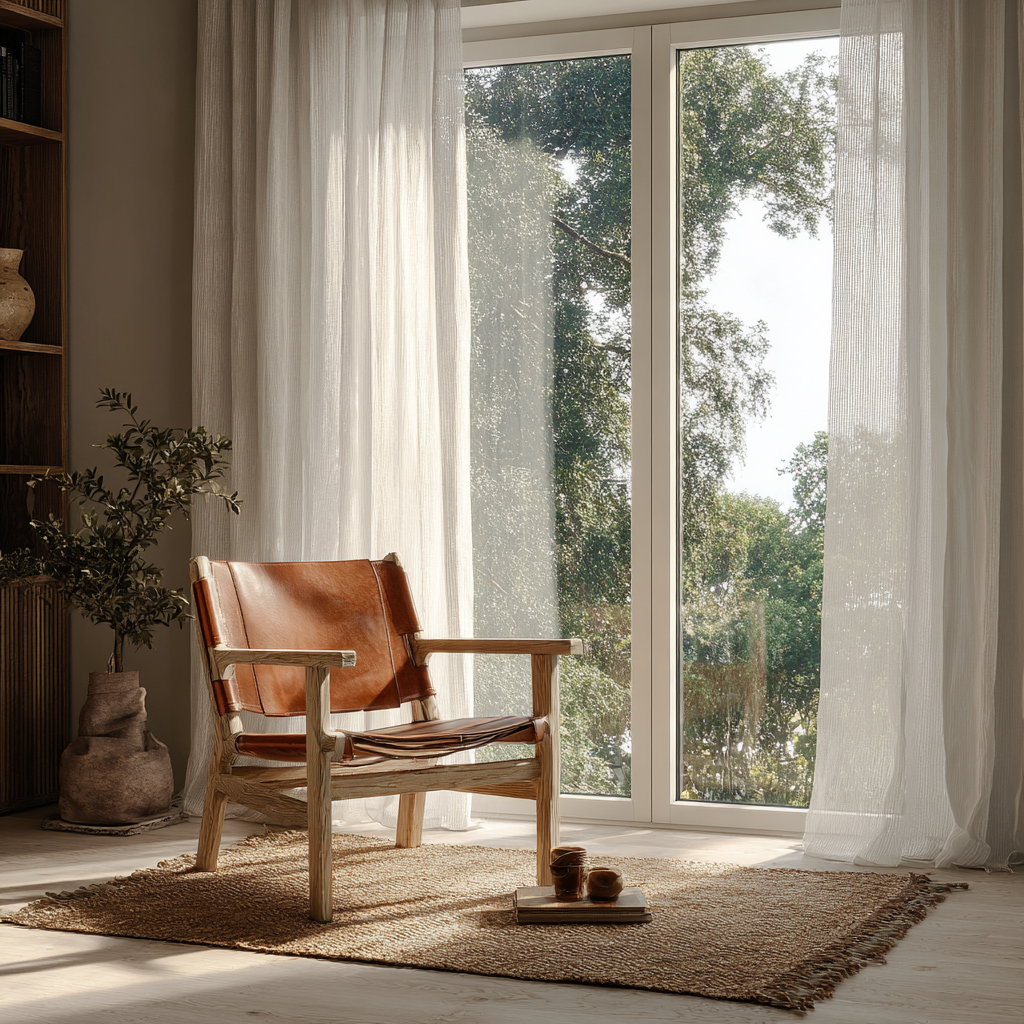
Transform your living area into a hub for connection rather than just consumption. Arrange low-profile armchairs and curved sofas in a “conversation pit” layout. Layer a neutral wool rug over hardwood floors to ground the space and improve acoustics.
The Wellness Bedroom
Treat your bedroom as a sanctuary for rest. Use linen-upholstered headboards or wooden bed frames to maintain clean lines while adding warmth. Focus on sensory layering with breathable cotton or linen bedding and a thick wool throw to create a “rich tapestry of textures”.
The Practical Kitchen
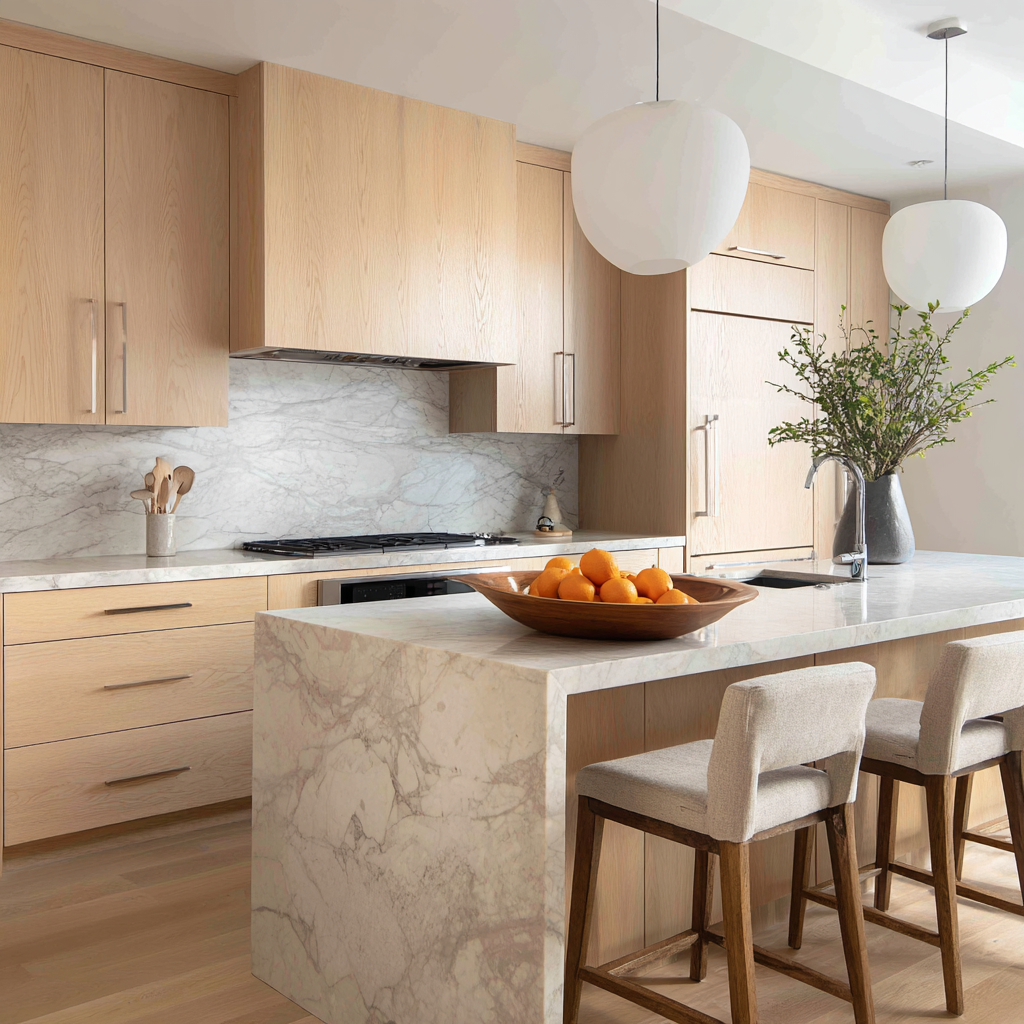
In the kitchen, the goal is to contain the clutter while maintaining a warm, lived-in feel. Utilize smart, hidden storage like “appliance garages” or concealed pantries to keep worktops open and orderly. Incorporate natural textures through linen window coverings and wooden accessories to prevent the space from feeling clinical.
Living Energy: The Role of Nature
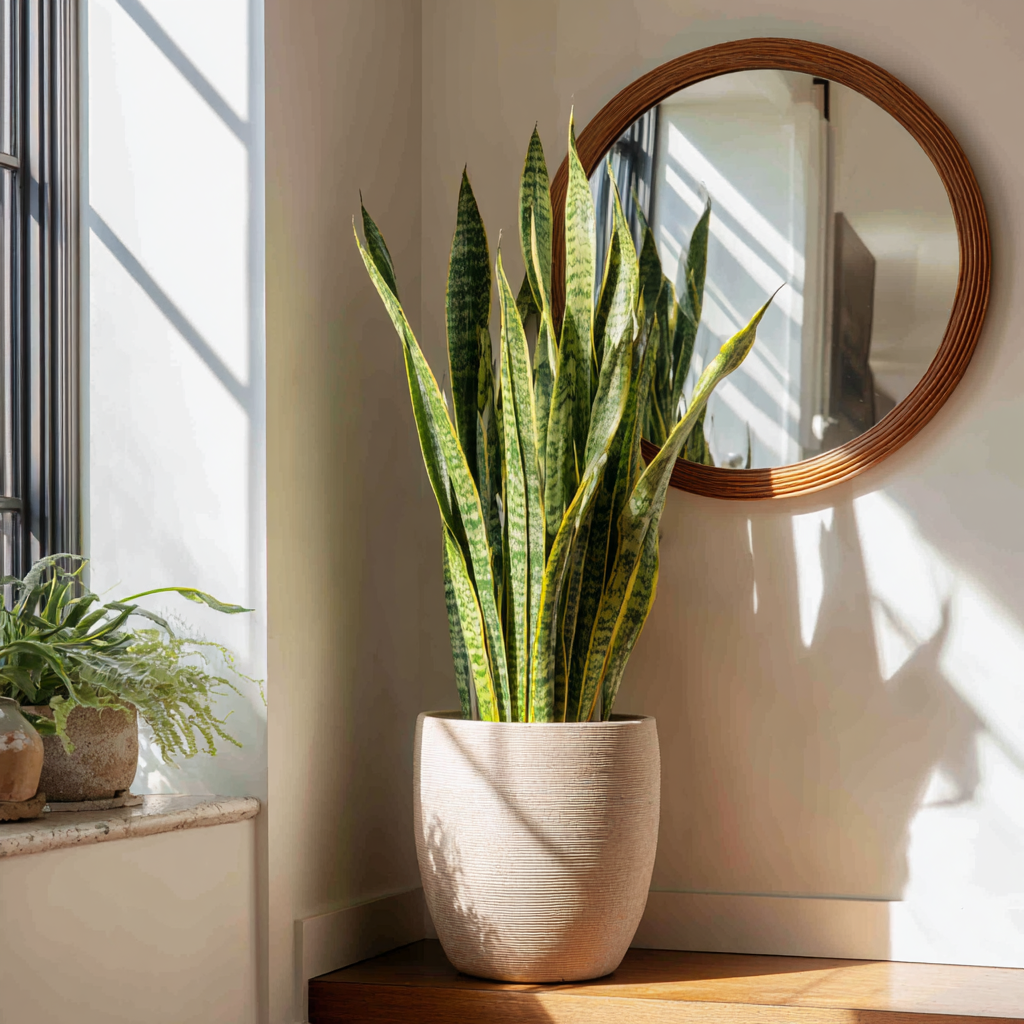
No warm minimalist home is complete without “living energy”. Greenery adds a pop of life and vibrancy that boosts the mood and fosters a sense of calm. Beginners should start with sculptural, low-maintenance varieties such as:
- Snake Plants: Prized for their architectural shapes and modern flair.
- Pothos: Perfect for cascading down a shelf to add an organic, trailing element.
- Fiddle Leaf Figs: Ideal as a strategically placed focal point in a corner. For a smaller touch, place tall, reaching flowering branches or fresh cut foliage from the garden in a single, elegant vase.
Common Mistakes to Avoid
As you begin your journey, guard against these common pitfalls:
- The “Millennial Gray” Trap: Avoid overly cool, monochromatic schemes; always prioritize warm undertones and earthy tones to maintain a welcoming atmosphere.
- The Sterile Void: Minimalism is not about owning nothing; it is about owning what matters. A room with no personal touches will feel staged and impersonal.
- Strict Rules and Rigidity: Warm minimalism encourages self-trust. Avoid rigid rules or “matched sets” of furniture; instead, embrace a soulful mix of vintage finds and contemporary pieces.
- Neglecting Negative Space: Don’t feel the need to fill every wall or corner. “Negative space” is where the eye goes to rest.
Final Thoughts: Starting Your Journey
The best design trend is the one that makes your house finally feel like home. To begin, start small: choose one “statement” piece you truly love—perhaps a high-quality wool rug or a vintage ceramic lamp—and build your room’s elements around that focal point. Focus on how you want to feel in each space, prioritizing comfort and physical ease over visual performance.
Warm minimalism is not a performance of scarcity; it is a celebration of what remains when the noise is gone. It is an invitation to exhale, to slow down, and to curate a space that nourishes your soul’s desire for both calmness and vitality.
We would love to see how you are bringing clarity and warmth into your own home. Share your warm minimalist spaces in our community gallery and let your home’s unique story inspire others.
Join the Circle of Warmth
A quiet letter on warm, intentional living — delivered occasionally.