Scandinavian vs Japandi: What’s the Difference?
Scandinavian and Japandi design share many similarities, but they are shaped by different philosophies. Scandinavian interiors emphasize comfort, light, and everyday coziness, while Japandi spaces combine Scandinavian warmth with Japanese restraint and wabi-sabi simplicity.
Minimal design has many branches. Two of the most loved today are Scandinavian design and Japandi.
At first glance, the two styles can look almost identical. Both favor neutral palettes, natural materials, and uncluttered spaces that feel calm rather than busy.
But while they share many qualities, Scandinavian and Japandi interiors are shaped by different cultural philosophies. Understanding those differences helps you decide which atmosphere feels most like home.
And in many ways, both styles are simply different expressions of warm minimalism — the idea that a home can be simple without feeling cold.
The Short Answer
If you’re looking for a quick way to think about it:
Scandinavian design is minimalism softened by comfort and light.
Japandi design is minimalism shaped by restraint, nature, and quiet balance.
Scandinavian spaces often feel brighter and more relaxed.
Japandi spaces tend to feel more grounded and contemplative.
Both aim to create rooms that feel peaceful rather than overstimulating.
The Philosophy Behind Each Style
Scandinavian: Comfort and Light
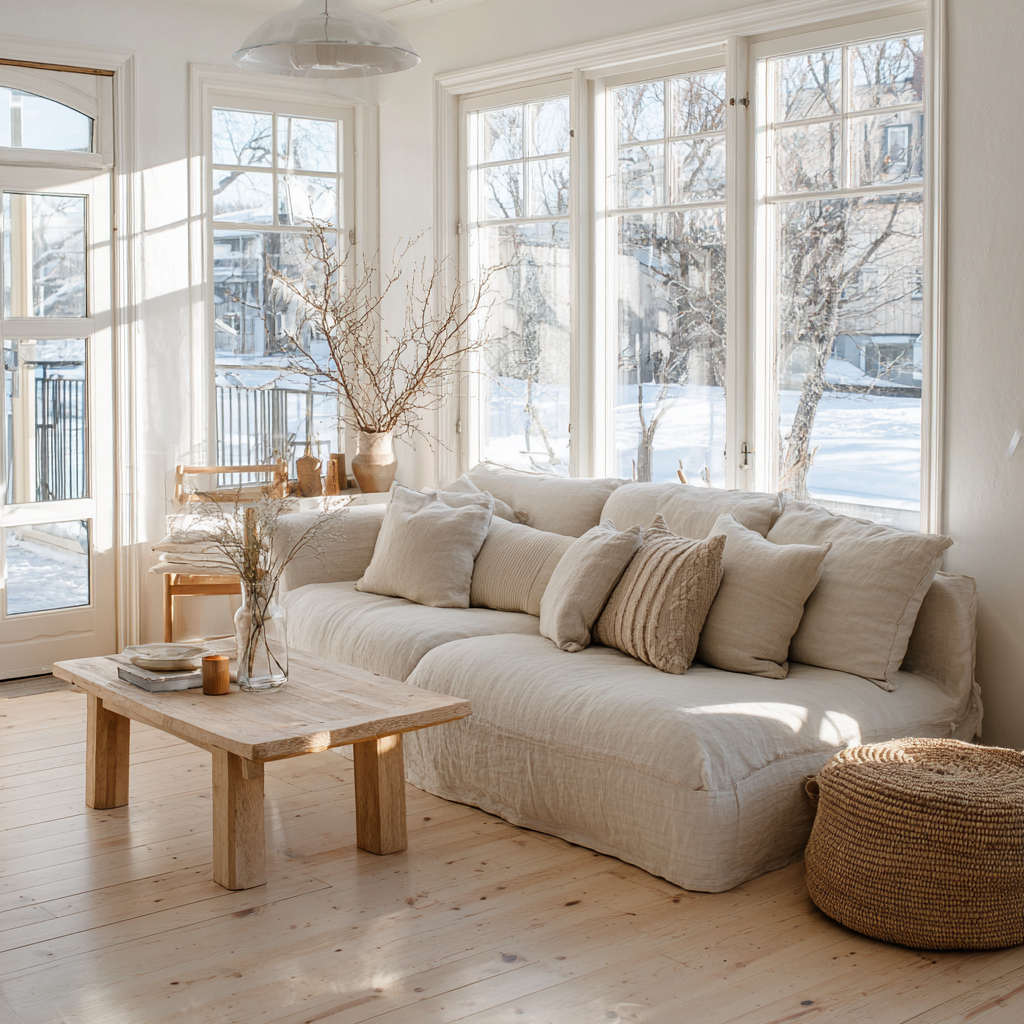
Scandinavian design grew out of the long, dark winters of northern Europe. Homes needed to feel welcoming and warm during months when sunlight was scarce.
This led to interiors that prioritize:
- light colors
- natural wood
- soft textiles
- functional furniture
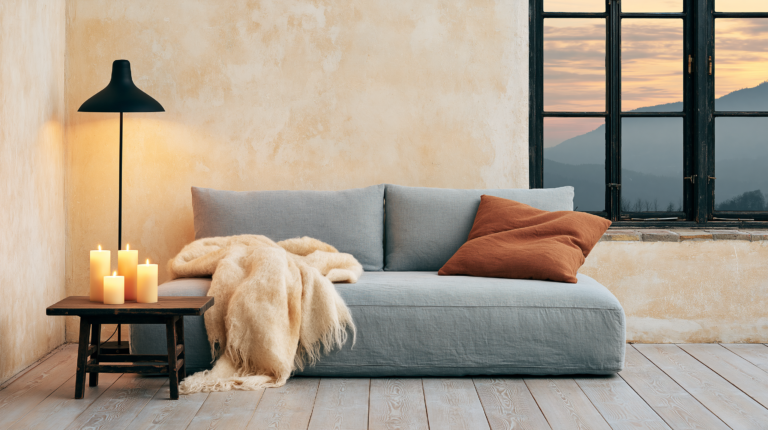
The Danish concept of hygge plays a large role here. Hygge emphasizes comfort, warmth, and everyday pleasure — a candle lit in the evening, a soft blanket, a warm drink in a quiet room.
Scandinavian interiors often feel friendly and lived-in, even when they are very minimal.
Japandi: Simplicity and Balance
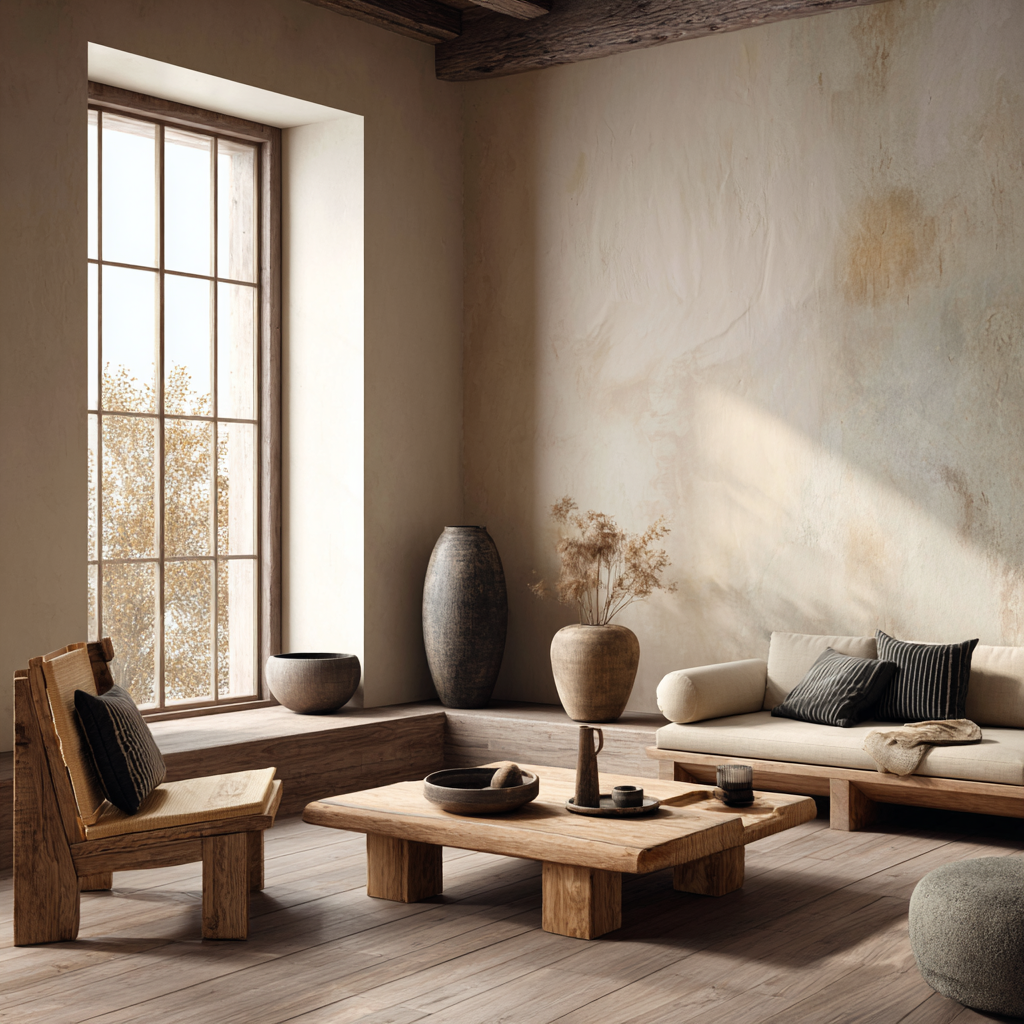
Japandi blends Scandinavian design with Japanese aesthetics. While the name is modern, the connection between the two cultures is not new.
Both traditions value craftsmanship, natural materials, and simplicity.
Japanese design is deeply influenced by ideas such as Zen philosophy and wabi-sabi, which appreciate imperfection, natural aging, and quiet restraint.
Japandi interiors often include:
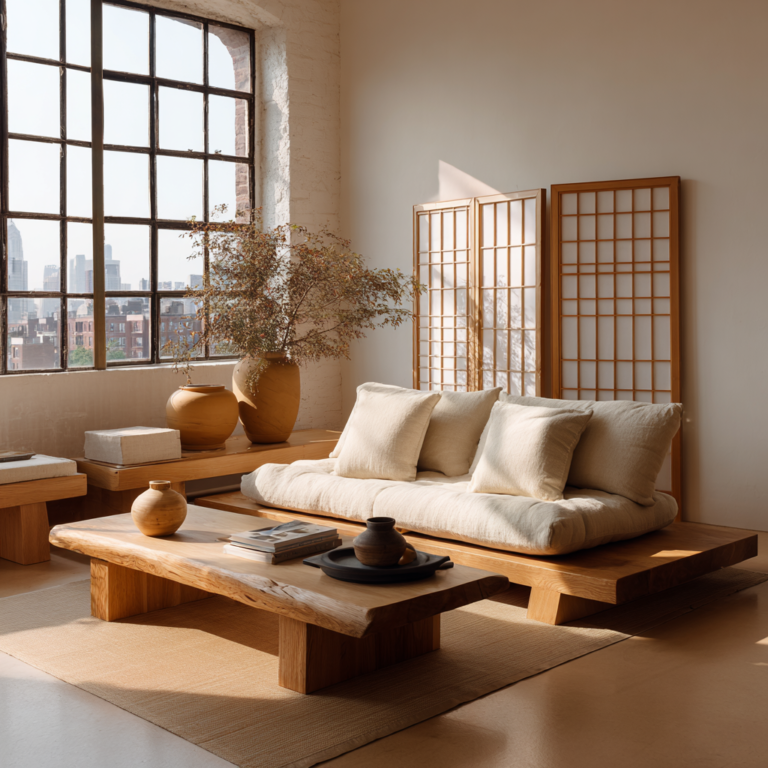
- darker woods
- fewer decorative objects
- sculptural furniture
- subtle asymmetry
Where Scandinavian design invites comfort, Japandi tends to invite stillness.
Rooms feel intentional, calm, and grounded.
Key Differences in the Look
Although they share a similar spirit, you can usually recognize each style by certain visual cues.
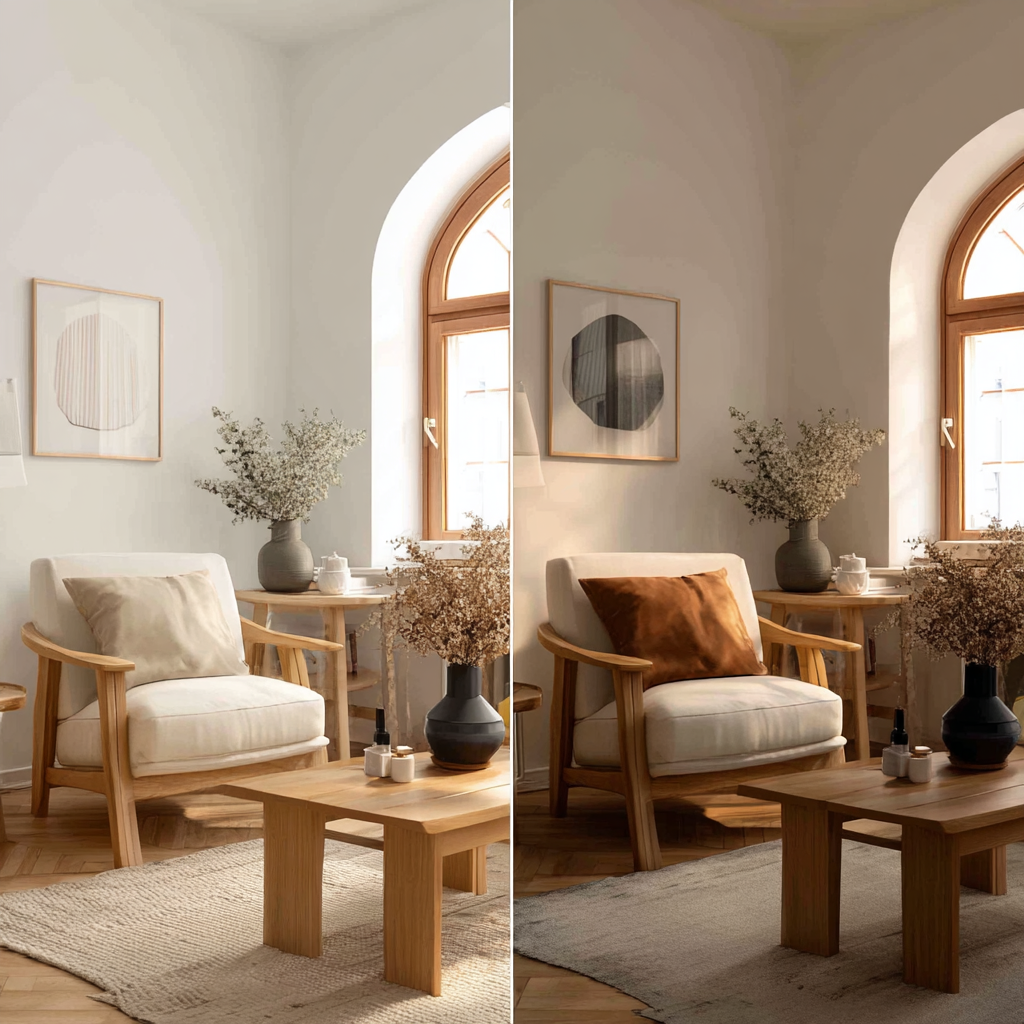
Color Palette
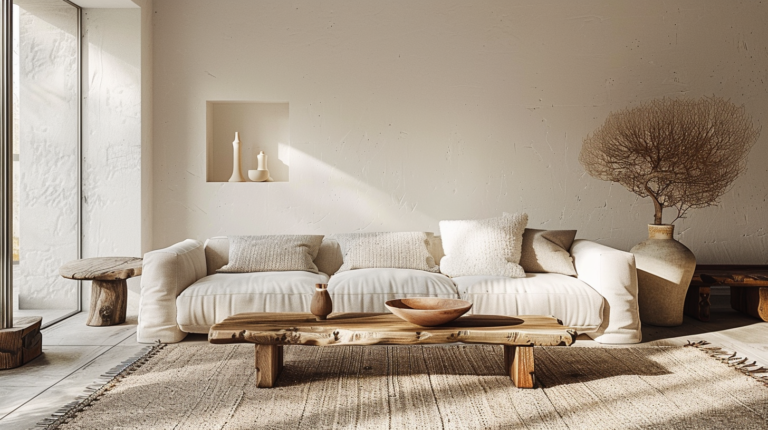
Scandinavian interiors are typically lighter.
Whites, creams, and pale woods reflect as much daylight as possible.
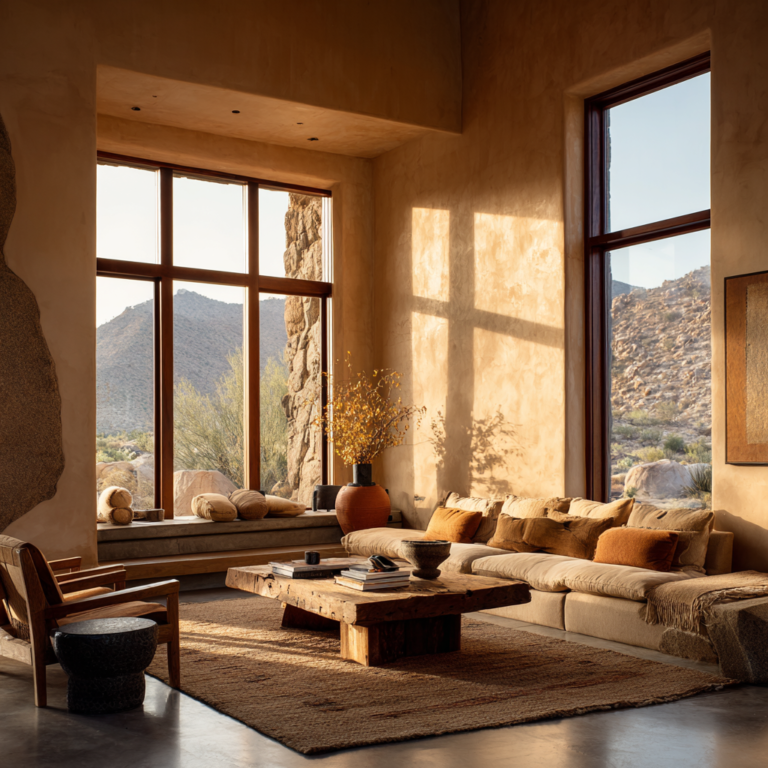
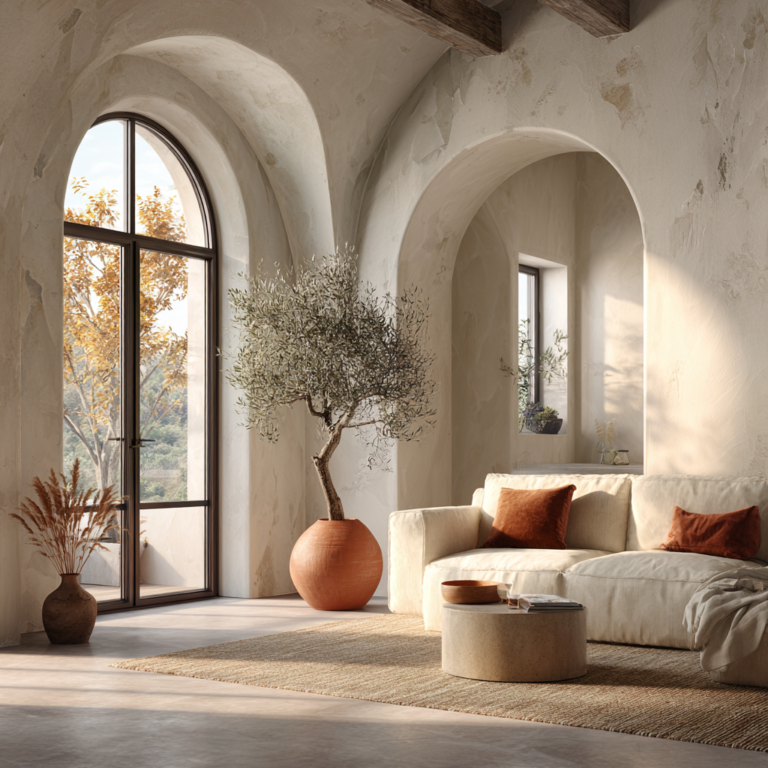
Japandi interiors often move toward warmer earth tones like sand, clay, charcoal, and muted greens.
Furniture Style
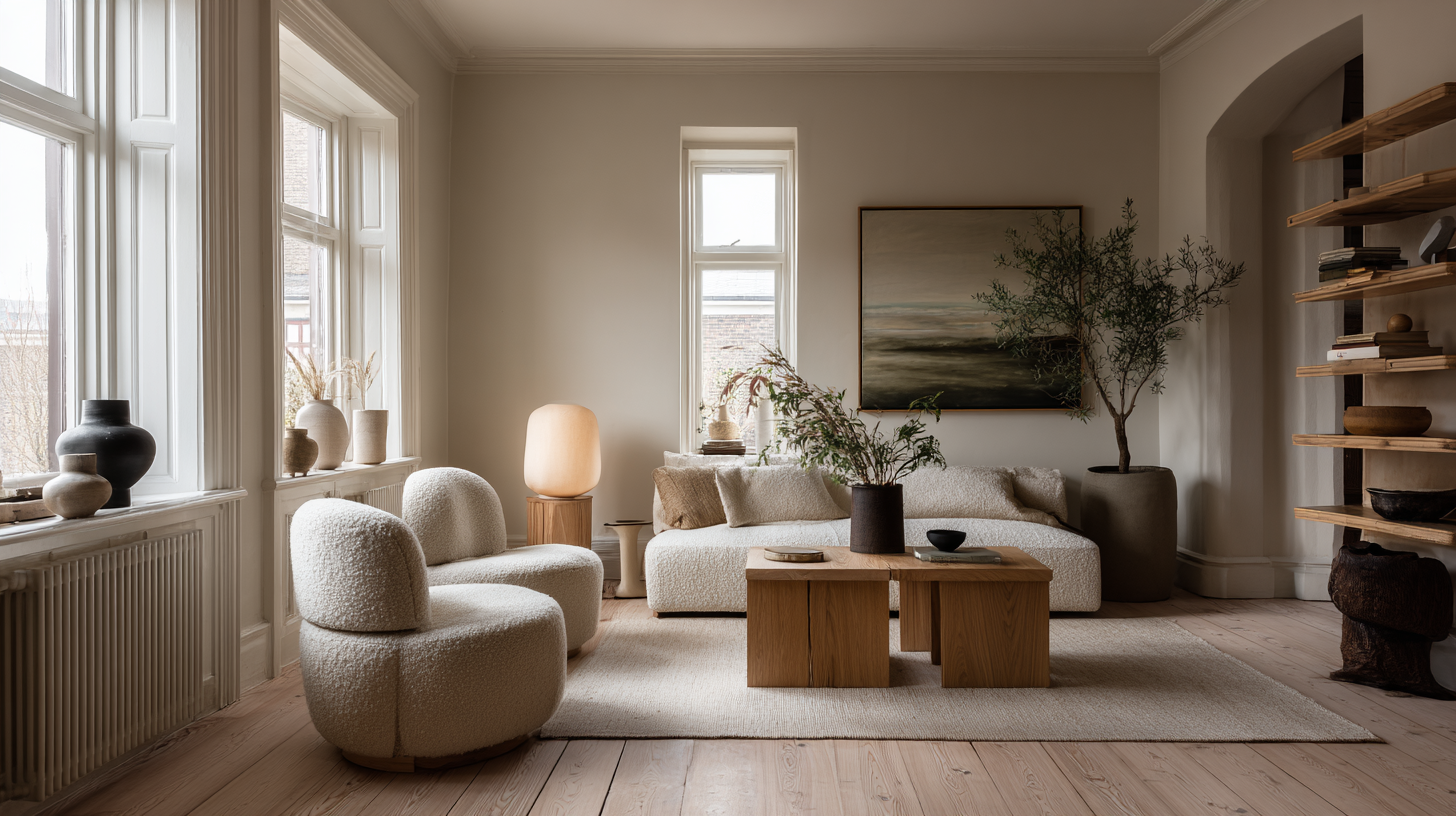
Scandinavian furniture often feels soft and welcoming.
You’ll see:
- rounded chairs
- light wood tables
- comfortable sofas
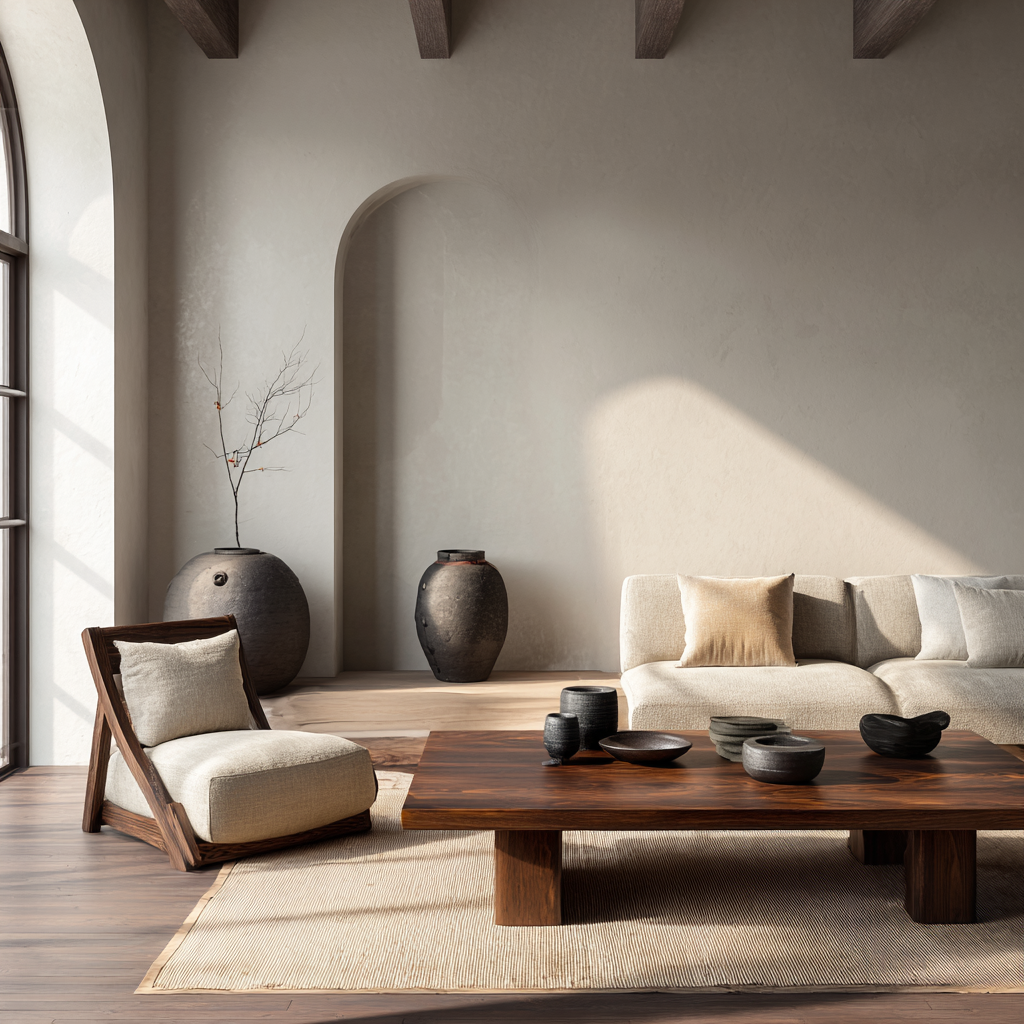
Japandi furniture tends to be lower and more architectural.
Pieces often feel more sculptural, with simple lines and heavier wood tones.
Decoration
Scandinavian interiors allow for a bit more personality.
You might see:
- woven blankets
- framed art
- plants
- cozy textures
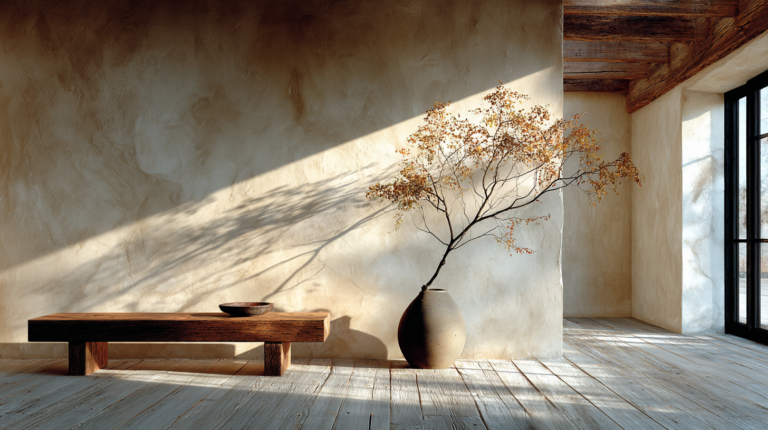
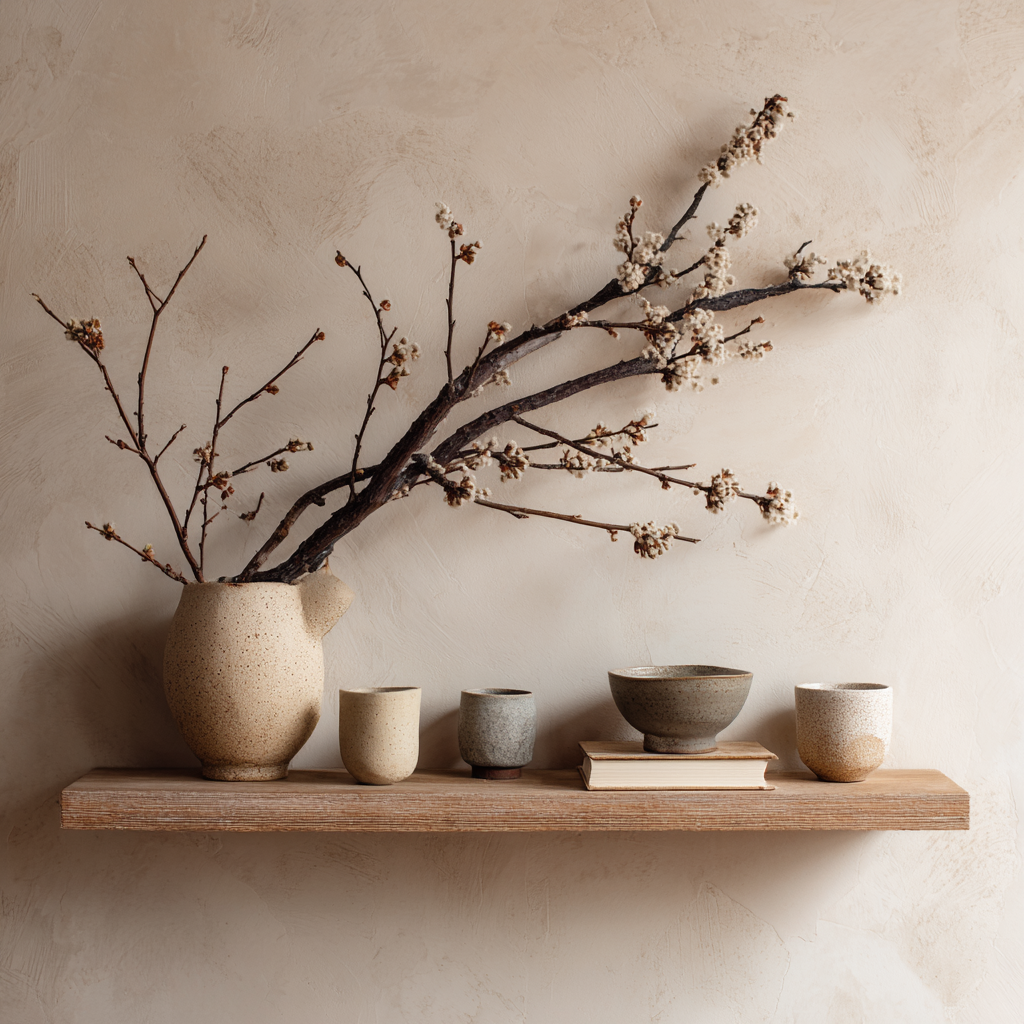
Japandi spaces usually keep decoration very restrained.
Objects tend to be few, but carefully chosen.
Common elements include:
- handmade ceramics
- textured stone or clay pieces
- branches or simple greenery
Where the Styles Overlap
Despite their differences, Scandinavian and Japandi share many core principles.
Both styles value:
• natural materials
• functional design
• uncluttered rooms
• quiet color palettes
• craftsmanship
This is why many homes blend the two without realizing it.
In fact, the overlap between them is one reason the broader idea of warm minimalism has become so appealing. People want simplicity, but they also want rooms that feel human and comforting.
Which Style Is Right for You?
Choosing between Scandinavian and Japandi often comes down to the atmosphere you want in your home.
Scandinavian vs Japandi at a Glance
• Bright, airy interiors
• Pale woods and light palettes
• Cozy textures and soft furniture
• Influenced by hygge and everyday comfort
• Warmer, earth-toned interiors
• Darker woods and sculptural furniture
• Minimal decoration and quiet balance
• Influenced by Zen and wabi-sabi philosophy
You might prefer Scandinavian design if you love:
- bright, airy rooms
- cozy textures
- casual comfort
- a lighter palette
You might prefer Japandi design if you’re drawn to:
- deeper earth tones
- quieter spaces
- sculptural furniture
- a more meditative mood
Of course, many homes fall somewhere in between — combining the comfort of Scandinavia with the restraint of Japanese design.
The Warm Minimalism Connection
Both Scandinavian and Japandi design express the same underlying idea:
A home doesn’t need excess to feel beautiful.
By focusing on natural materials, thoughtful objects, and calm spaces, these styles create rooms that support everyday life rather than overwhelm it.
That philosophy is at the heart of warm minimalism.
Instead of chasing trends, warm minimal interiors aim to create environments that quietly improve how it feels to live in them.
Final Thoughts
Scandinavian and Japandi design share a peaceful spirit, but they arrive there through slightly different paths.
Scandinavian interiors bring warmth through comfort and light.
Japandi interiors bring calm through restraint and balance.
Whichever direction you lean toward, both styles remind us that simplicity doesn’t have to feel empty. When done well, it can make a home feel more grounded, more welcoming, and more alive.
We would love to see how you are bringing clarity and warmth into your own home. Share your warm minimalist spaces in our community gallery and let your home’s unique story inspire others.
Join the Circle of Warmth
A quiet letter on warm, intentional living — delivered occasionally.