A Complete Guide to Organic Modern Design for Calm, Intentional Living
Nature-Inspired Elegance
In an era where our lives have become increasingly disconnected from the natural world, Organic Modern design emerges as a compelling response—a design philosophy that doesn’t just bring nature indoors but weaves it into the very fabric of our living spaces.
This sophisticated aesthetic represents the elegant fusion of organic, nature-inspired forms with modern minimalism’s clean structure, creating environments that feel simultaneously grounded and serene, alive yet uncluttered.
At its heart, Organic Modern is about fluidity and authenticity.
Picture curved wooden furniture that mimics the gentle roll of hillsides, natural stone surfaces reminiscent of riverbeds, and abundant greenery that breathes life into neutral-toned spaces.
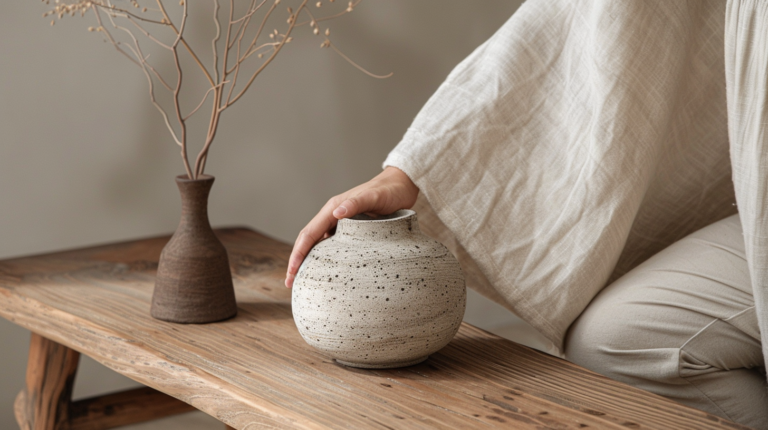
This style celebrates the imperfect beauty of raw materials—the unique grain of walnut wood, the textured surface of handmade ceramics, the irregular patterns of natural fibers—while maintaining the crisp lines and intentional simplicity that define modern design.
The origins of Organic Modern trace back to the mid-20th century, particularly the landmark 1941 MoMA exhibition “Organic Design in Home Furnishings,” which explored the tension between handcrafted, nature-inspired pieces and mass production.
This foundational moment established a central tenet: respect for natural materials and their inherent characteristics.
As environmental consciousness grew through the latter half of the century, the movement evolved, incorporating sustainability principles and biophilic design concepts that recognize our innate need to connect with nature.
Today, Organic Modern is experiencing a renaissance.
Its popularity is no accident.
In our digitally saturated, fast-paced world, people are craving spaces that offer respite—environments that promote well-being, reduce stress, and foster genuine connection.
This style resonates deeply because it addresses these needs while remaining relevant to contemporary aesthetics.
It is not merely about following a trend.
It is about creating homes that nurture both body and spirit.
For those embracing warm minimalism, Organic Modern offers the perfect framework.
It takes minimalism’s decluttered foundation and infuses it with warmth through natural textures, earthy color palettes, and tactile materials that invite touch.
The result:
Spaces that feel cozy and grounded rather than stark and cold.
How Organic Modern Design Embodies Warm Minimalism and Intentional Living
The synergy between Organic Modern design and warm minimalism represents a philosophical evolution in how we conceive our living spaces.
While traditional minimalism can sometimes feel clinical or austere, Organic Modern infuses this pared-back aesthetic with organic warmth—transforming minimalist principles into something deeply nurturing and restorative.
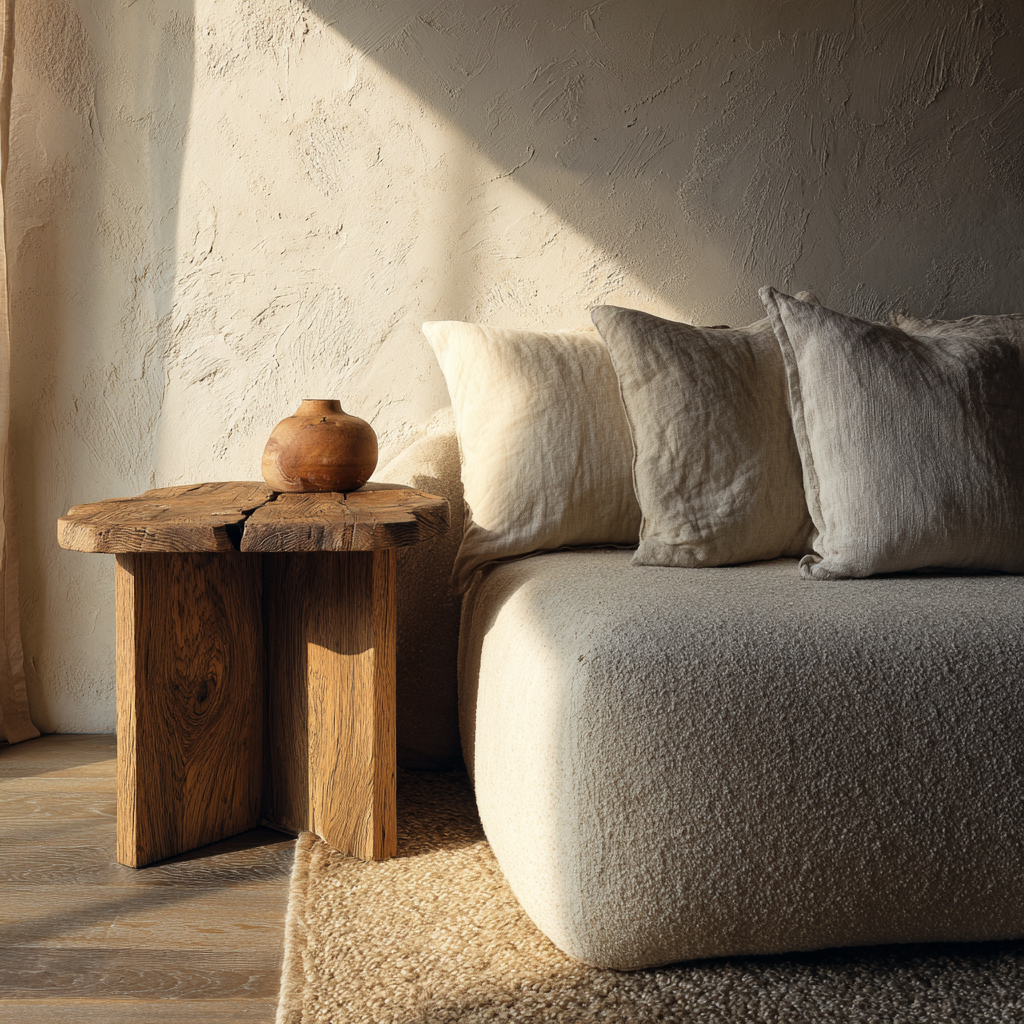
This transformation happens through several key mechanisms.
Curved Lines and Organic Shapes
Curved lines and organic shapes soften the rigid geometry that often characterizes modern minimalism.
Research indicates that humans are naturally drawn to curved forms, perceiving them as safer, more comforting, and less stressful than sharp edges.
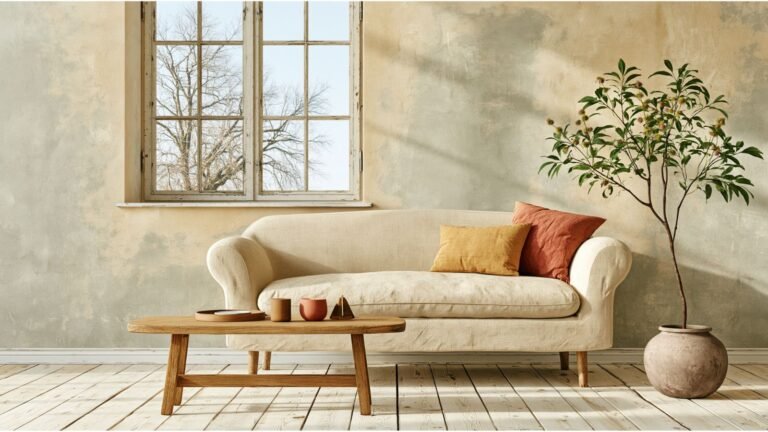
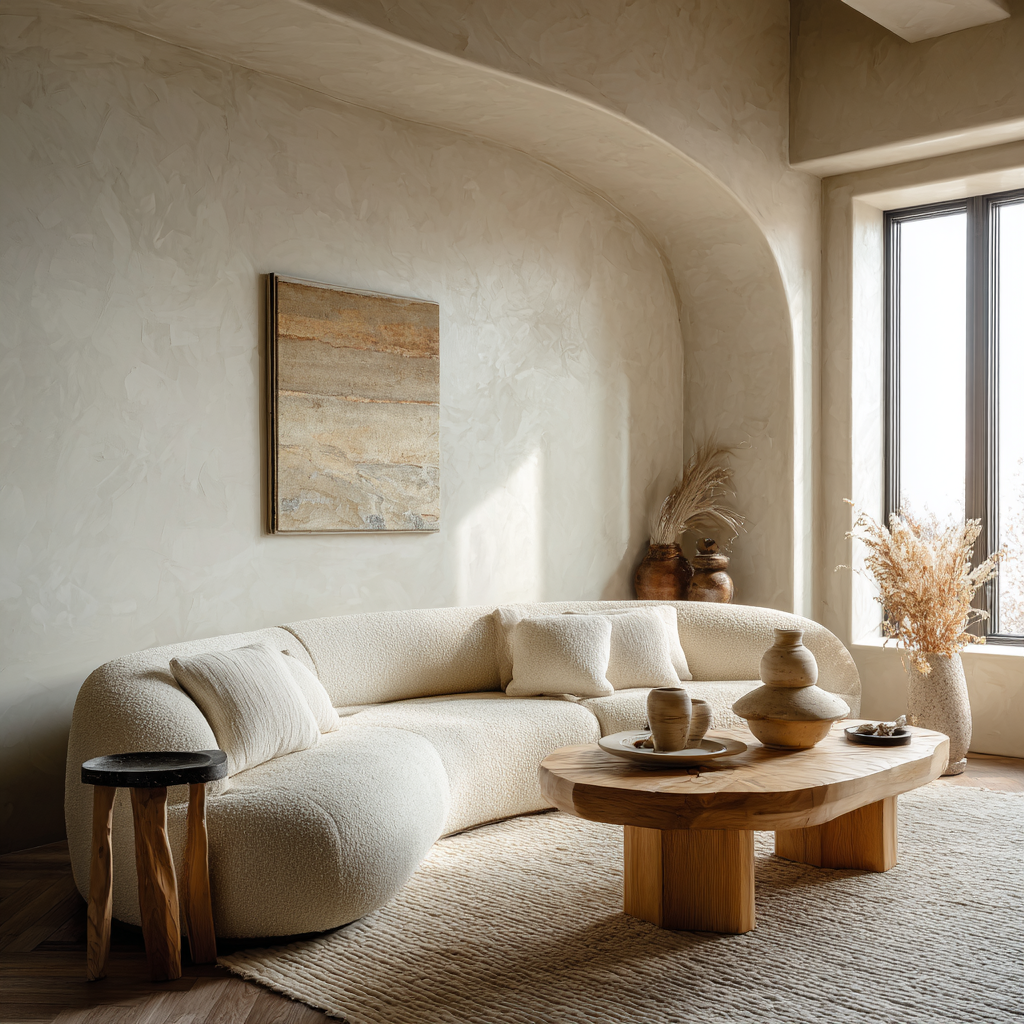
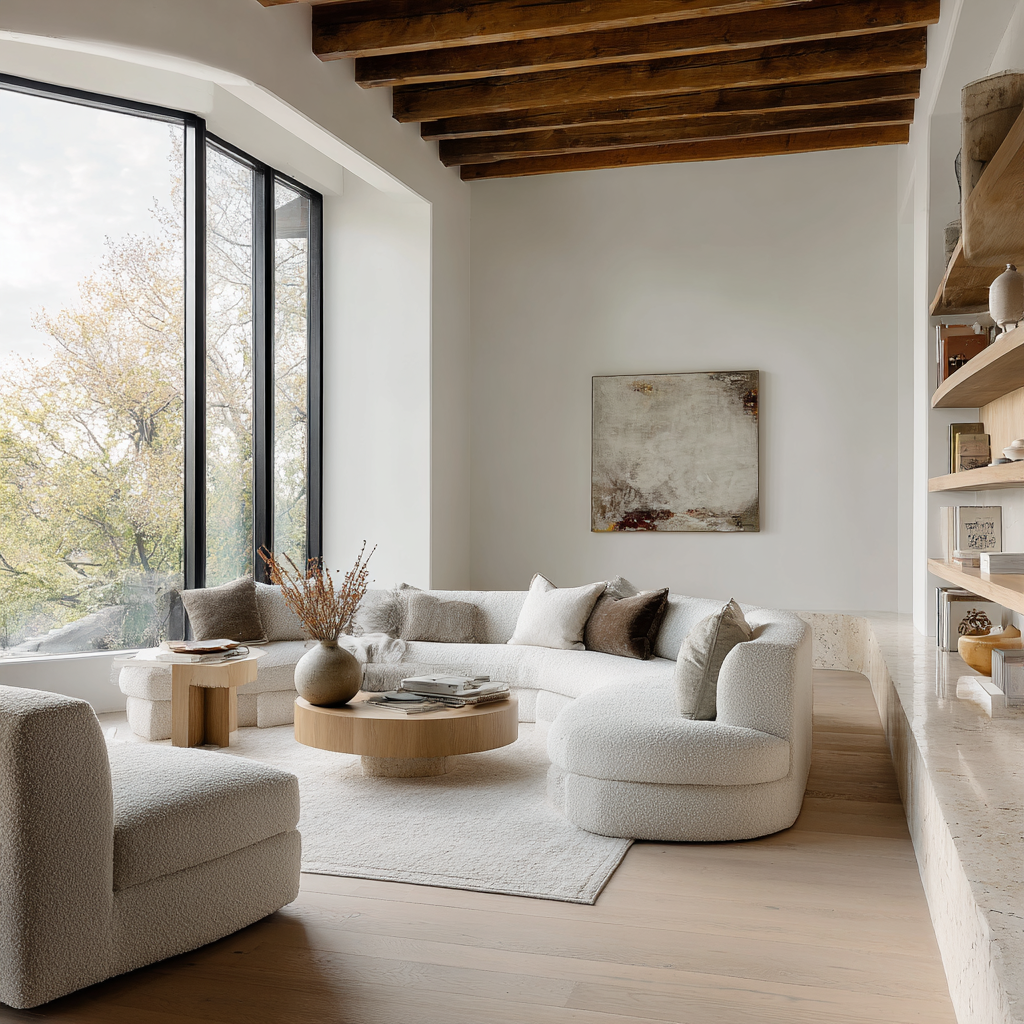
When you introduce a sculptural sofa with flowing lines or a rounded coffee table into a minimalist space, you create visual movement and psychological comfort.
The room becomes a place that cradles rather than constrains.
Natural Textures and Materials
Natural textures and materials add layers of warmth and authenticity.
A minimalist room with white walls can feel cold.
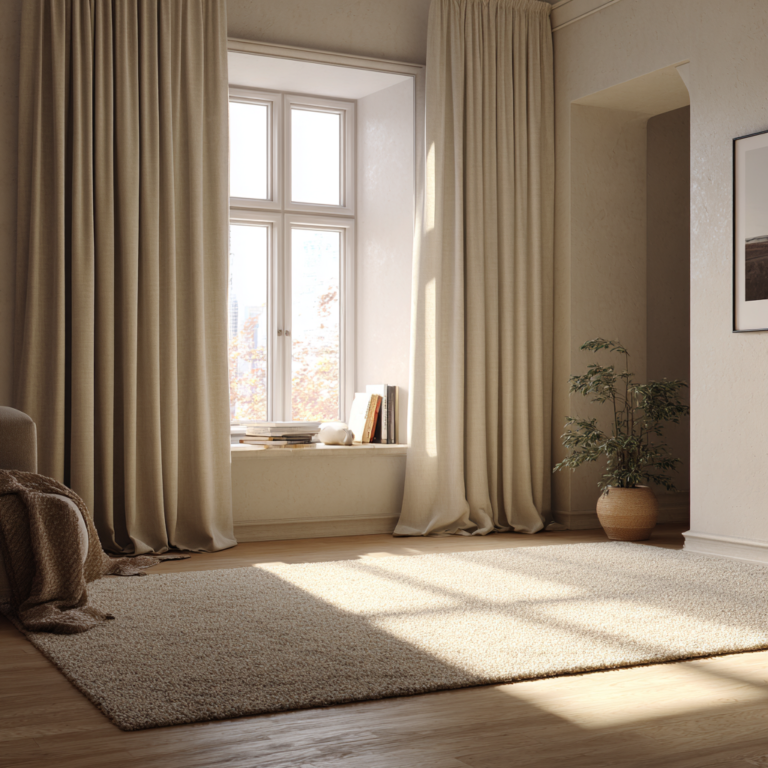
Add raw walnut shelving, a chunky jute rug, and linen curtains—and suddenly the space radiates warmth.
These natural elements bring what designers call “information richness”—subtle variations in grain, texture, and tone that engage our senses and prevent visual monotony.
Exposure to natural materials has been linked to reduced stress hormones and enhanced overall well-being.
Earthy Color Palette
Muted sage greens, warm terracottas, creamy beiges, and soft browns—these nature-derived tones promote relaxation while maintaining balance.
Unlike stark white or cool grays, these colors evoke the outdoors and foster emotional connection.
From an intentional living perspective, Organic Modern encourages mindfulness in design choices.
It asks:
Where did this material come from?
How was it produced?
Does this piece serve multiple purposes?
Will it last?
This questioning process leads to more eco-friendly decisions and long-term thinking.
Key Elements of Organic Modern Design
Materials: The Foundation of Authenticity
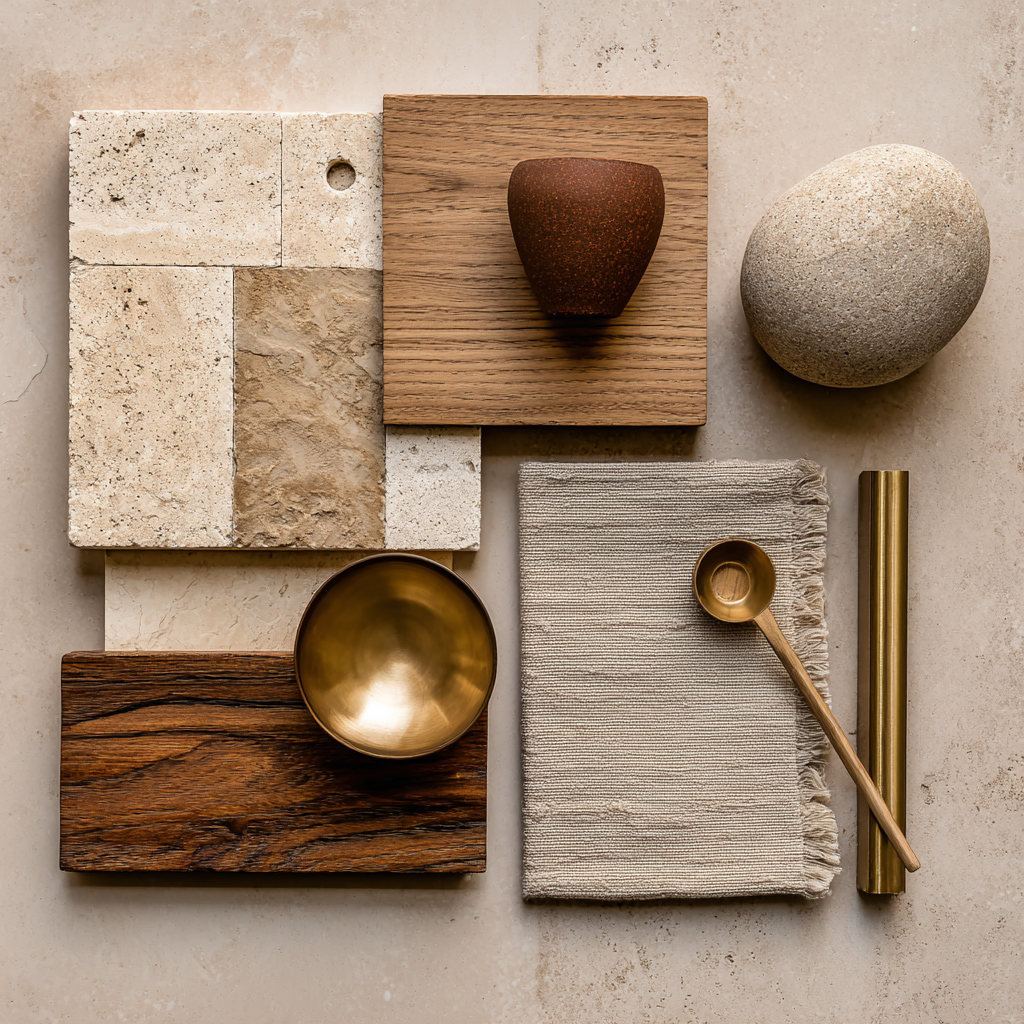
Material selection lies at the heart of Organic Modern design.
There is strong emphasis on sustainable, natural options that bring both environmental consciousness and tactile richness.
Wood
Wood serves as the cornerstone material, particularly in raw or lightly processed forms.
Walnut, teak, oak, and ash are favored for their distinctive grains and warm tones.
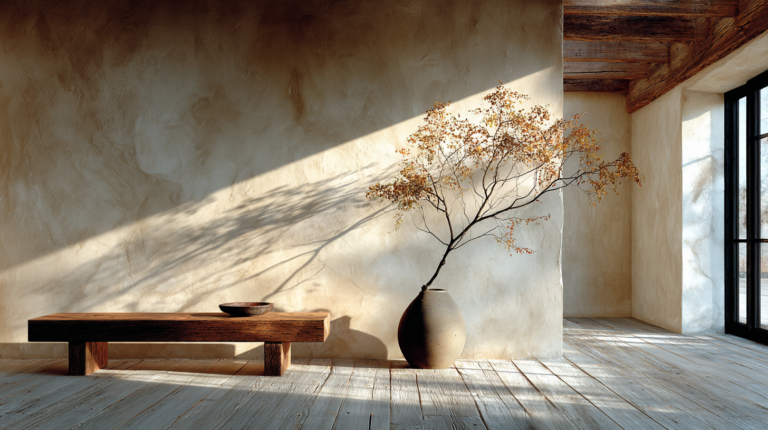
Live-edge pieces preserve the natural contour of the tree, celebrating imperfection.
Reclaimed wood adds sustainability and character through weathered patina.
Stone and Minerals
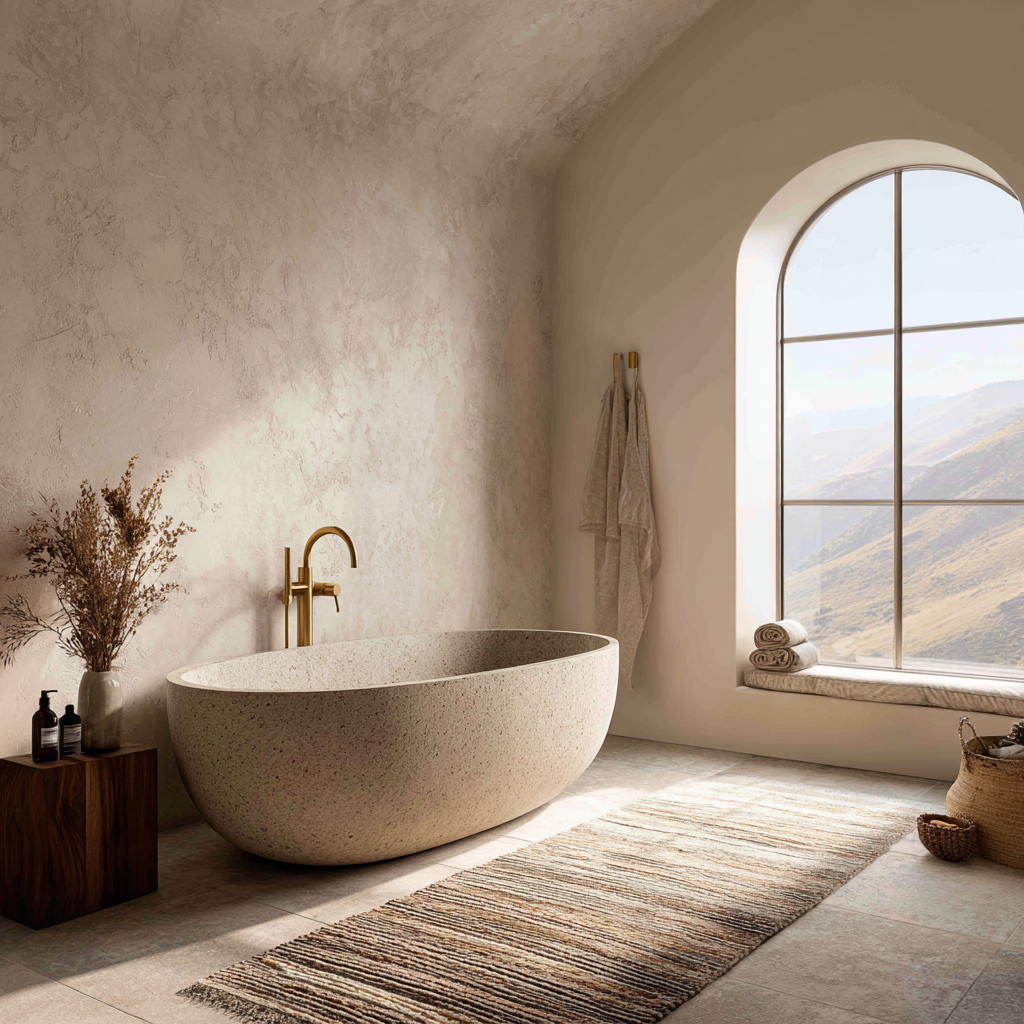
Marble, travertine, slate, and terrazzo bring nature’s artistry indoors.
These materials work beautifully in kitchens and bathrooms but also appear in coffee tables, fireplaces, and decorative accents.
Organic Fabrics
Cotton, linen, hemp, and wool lead textile selections.
Linen, in particular, embodies Organic Modern through its breathable texture and natural irregularities.
Certifications such as GOTS or OEKO-TEX reinforce sustainable sourcing.
Cork, Bamboo, and Rattan
Cork offers warmth and acoustic benefits.
Bamboo grows rapidly and is highly renewable.
Rattan and cane introduce artisanal texture and lightness.
Artisanal Ceramics
Handmade pottery, carved wooden bowls, and woven baskets celebrate craftsmanship.
These elements add soul.
Biophilic Elements: Bringing Nature Indoors
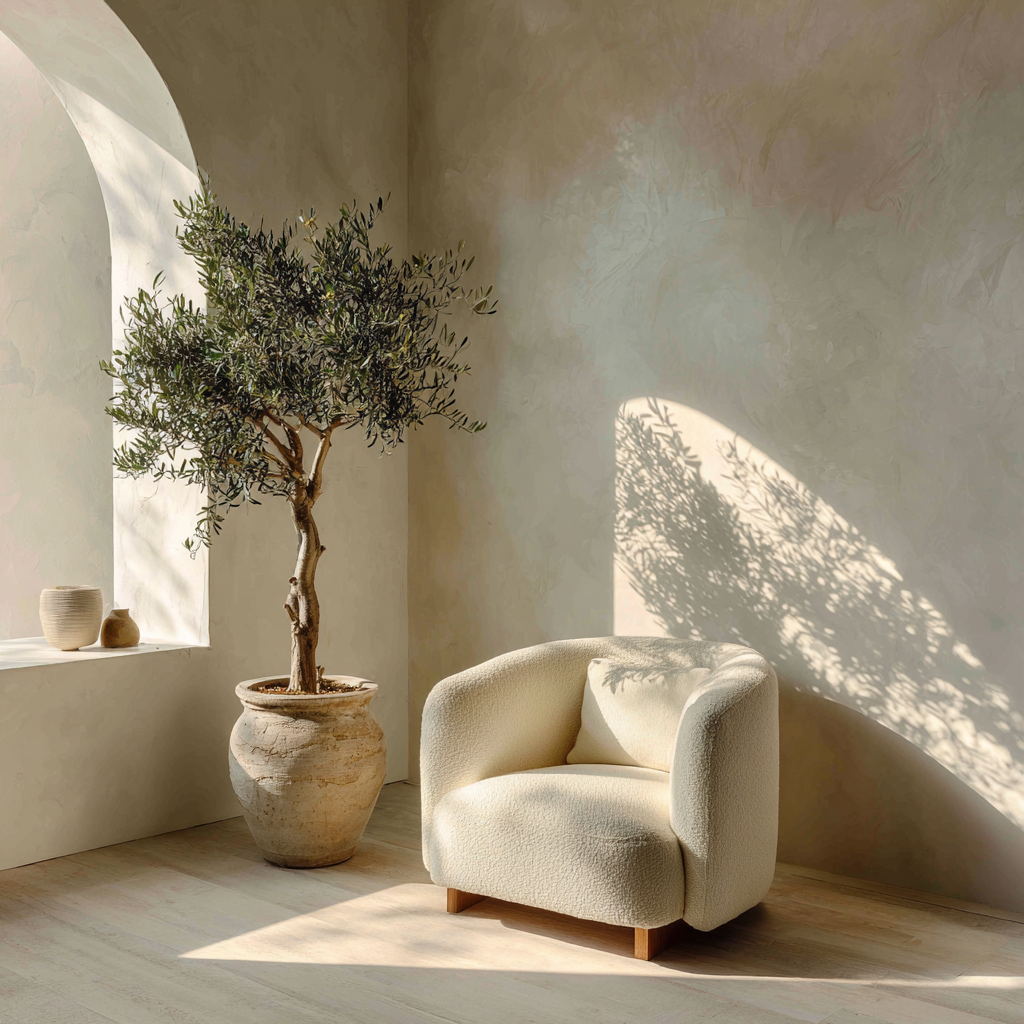
Biophilic design is central to Organic Modern.
Research consistently shows that exposure to natural elements improves mood and reduces stress.
Live Plants
Large statement plants such as fiddle leaf figs or monstera add vitality.
Trailing pothos, succulents, and vertical green walls enhance connection to nature.
Natural Light Maximization
Expansive windows, skylights, and glass doors increase daylight penetration.
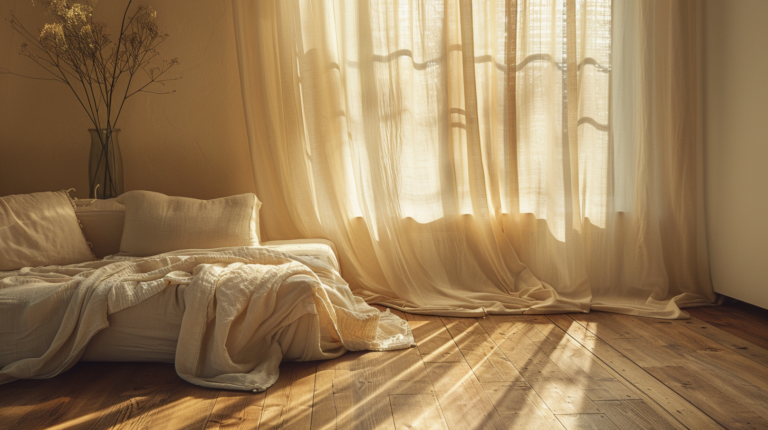
Sheer curtains allow soft diffusion rather than blockage.
Water Elements
Small fountains or water features create soothing soundscapes.
Water has been linked to increased feelings of tranquility.
Textured Surfaces
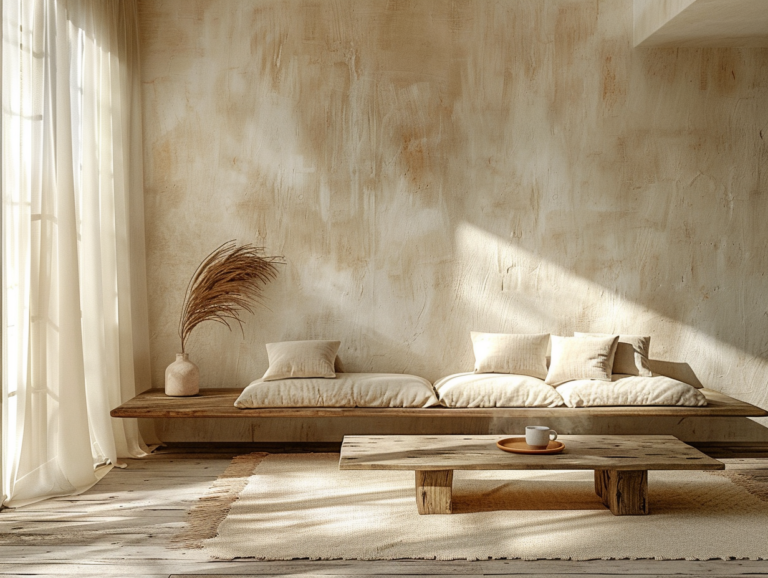
Plaster walls, stone accents, and wood paneling mimic landscapes and geological forms.
Color Palette: Nature’s Nuanced Neutrals
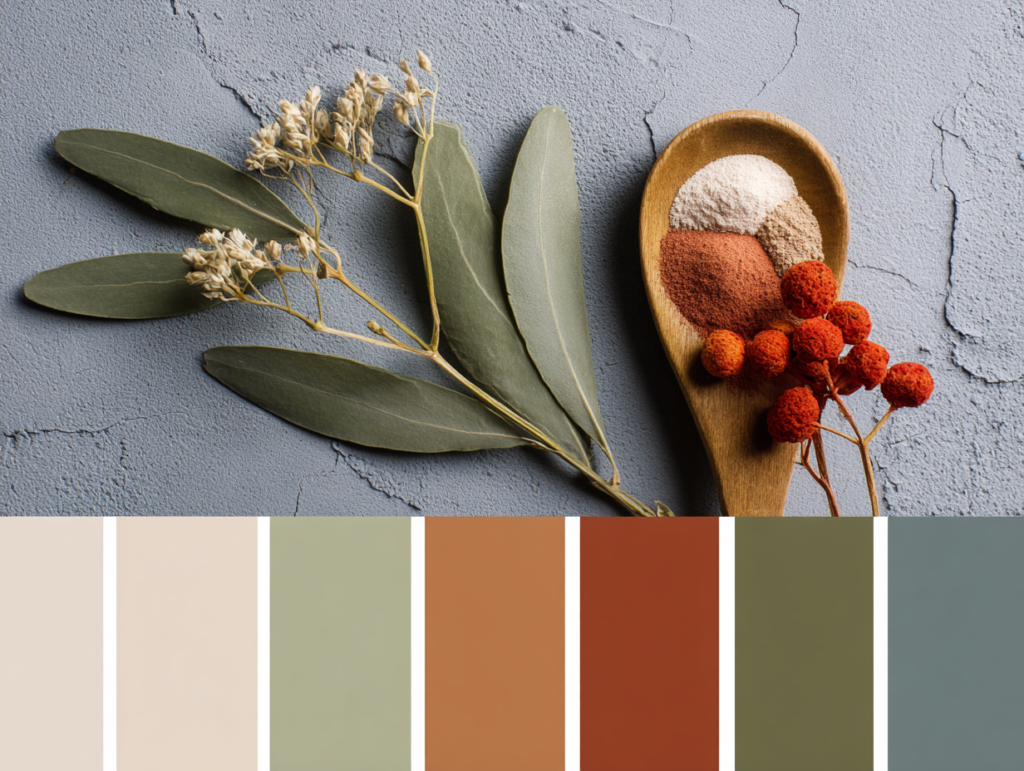
The Organic Modern palette draws directly from the natural world.
Foundation tones include:
• Creamy whites
• Warm beiges
• Sandy taupes
• Soft grays with warm undertones
Accent tones include:
• Sage green
• Olive
• Terracotta
• Burnt sienna
• Warm brown
• Charcoal
Layer colors thoughtfully:
Neutral base → mid-tone furnishings → deeper accents.
Avoid overly bright synthetic hues.
Furniture and Layout: Form Follows Nature
Organic Modern furniture balances sculptural beauty and functional simplicity.
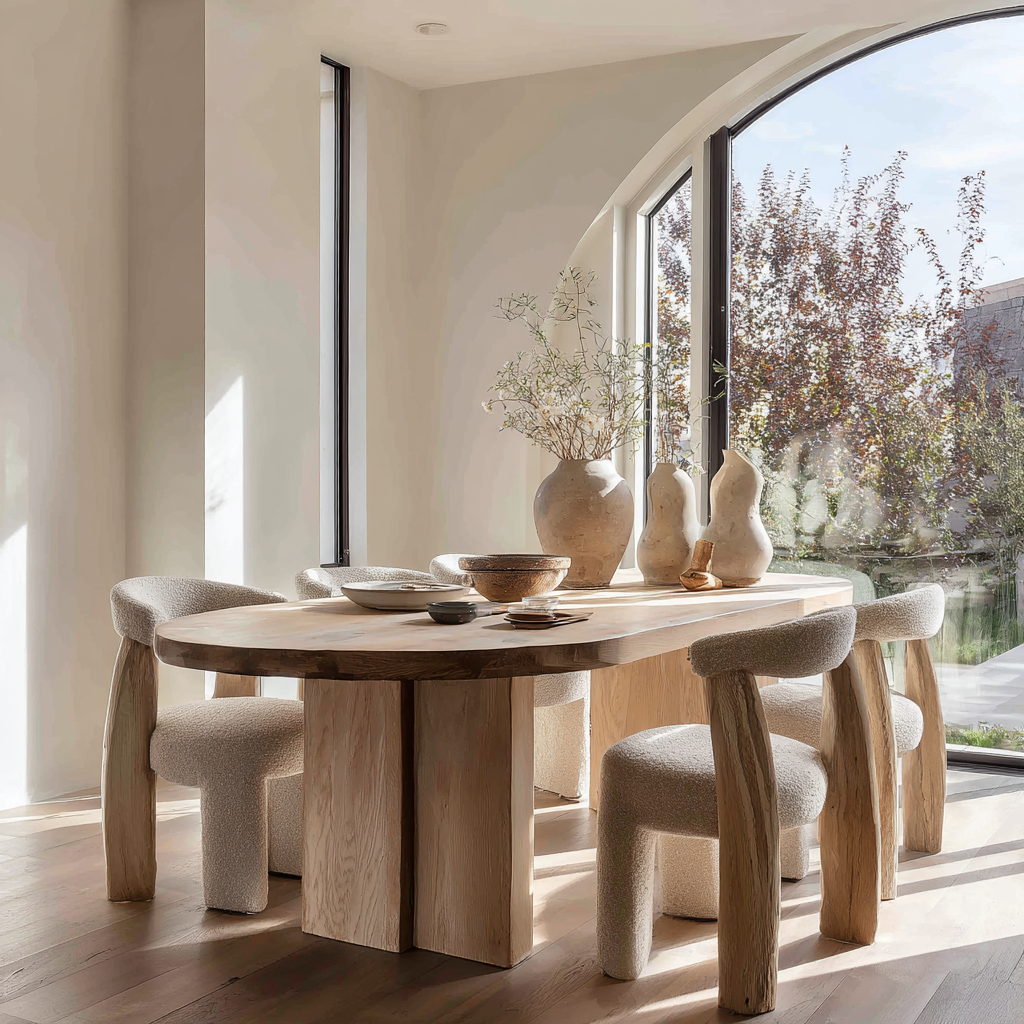
Curvilinear Forms
Rounded backs, circular ottomans, kidney-shaped chairs.
Curves enhance comfort and psychological safety.
Sculptural Tables
Organic pedestal bases, asymmetrical tops, carved wood or stone.
Open Layouts
Negative space is essential.
Allow each piece to breathe.
Multi-Functional Pieces
Storage benches, nesting tables, convertible ottomans.
Efficiency aligns with intentional living.
Textures and Patterns: Subtle Complexity
Texture layering prevents monotony.
Combine:
• Smooth and rough woods
• Woven elements
• Soft natural textiles
• Stone and ceramic contrast
Patterns should be subtle and nature-inspired.
Limit bold prints.
Let materials create visual interest.
Practical Tips for Incorporating Organic Modern Design
Start with Biophilic Focal Points
Add one statement plant.
Introduce wood shelving.
Place handmade ceramics intentionally.
Source Ethically
Prioritize:
• Local artisans
• FSC-certified wood
• Vintage and secondhand pieces
• Quality over quantity
Adapt by Room
Living Room: Curved sofa, jute rug, large plant.
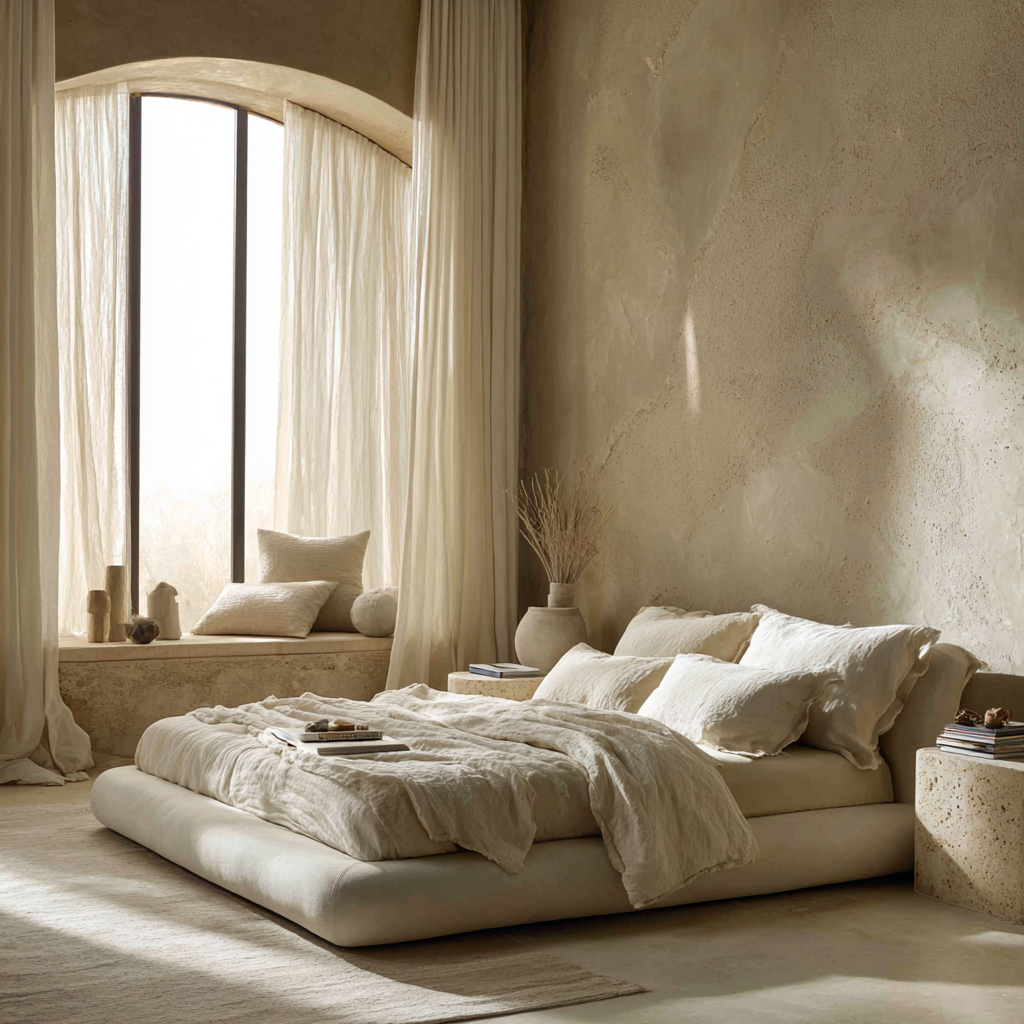
Bedroom: Linen bedding, wood bed frame, soft natural light.
Kitchen: Open wood shelving, natural stone surfaces.
Bathroom: Stone vessels, wood accents, organic cotton textiles.
Home Office: Solid wood desk, natural light, minimal accessories.
Embracing Nature’s Wisdom for Balanced Living
Organic Modern offers more than an aesthetic.
It provides a blueprint for living harmoniously with the natural world.
Organic Modern design complements other warm minimalist styles:
• Scandinavian Design shares its lightness and functional clarity.
• Japandi Design shares its calm simplicity and natural restraint.
• Rustic Modern Design shares its respect for natural materials and craft.
• Modern Mediterranean Design shares its warmth and earthy palette.
• Desert Modern Design Designshares its connection to landscape and climate.
Each style expresses the same philosophy through a different cultural lens.
By blending minimal structure with organic warmth, Organic Modern creates environments that nurture well-being.
It encourages slower decisions.
More conscious purchases.
Fewer, better things.
Whether through curved furniture, earthy palettes, or sustainable sourcing, Organic Modern supports intentional, grounded living.
Your home becomes not just beautiful—
but restorative.
Join the Circle of Warmth
A quiet letter on warm, intentional living — delivered occasionally.