A Complete Guide to Rustic Modern Design for Calm, Intentional Living
Rustic Modern: Blending Timeless Charm with Contemporary Simplicity
Rustic Modern design represents one of the most compelling evolutions in contemporary home aesthetics—a thoughtful fusion of rustic, nature-inspired elements with the clean lines and intentional simplicity of modern minimalism.
This style transcends fleeting trends to offer something deeper:
A design philosophy that honors heritage and craftsmanship while embracing the clarity and purpose of contemporary living.
The term “Rustic Modern” gained cultural prominence in the early 1960s.
But the style truly flourished in the 21st century, particularly between 2011 and 2012 when it took off in southern California, with commercial establishments like bars and restaurants leading the way.
What began in hospitality quickly captured homeowners seeking interiors that feel both grounded and sophisticated.
Today, Rustic Modern has evolved into a cornerstone of warm minimalism.
Unlike stark minimalism that can feel cold or impersonal, Rustic Modern creates nurturing environments through organic textures, natural materials, and thoughtfully curated elements.
It is minimalism with a heartbeat.
Spaces that breathe with life while remaining uncluttered and serene.
The growing popularity of Rustic Modern reflects our collective yearning for authenticity in an increasingly digital world.
Rustic interiors originally evolved during the 19th century in the United States, where settlers harnessed resourcefulness to create functional yet charming interiors.
Today’s interpretation honors that spirit while meeting contemporary needs for sustainability, flexibility, and mindful living.
This style embodies intentional living.
Every reclaimed beam.
Every handwoven textile.
Every carefully selected piece tells a story and serves a purpose.
How Rustic Modern Design Embodies Warm Minimalism and Intentional Living
The Synergy of Rustic Warmth and Modern Clarity
Rustic Modern softens modern minimalism with organic warmth.
This synergy manifests in several ways.
Textural Richness Within Simplicity
Modern minimalism often relies on smooth, uniform surfaces.
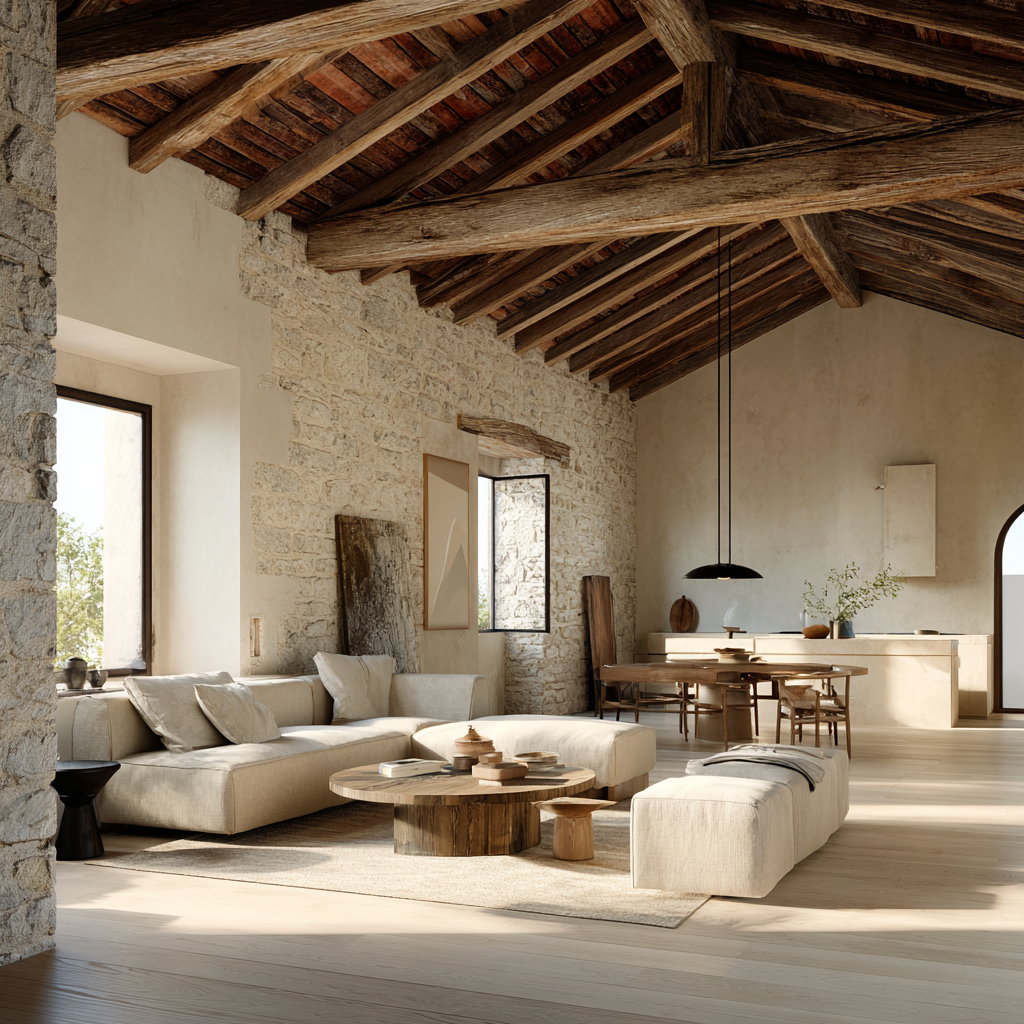
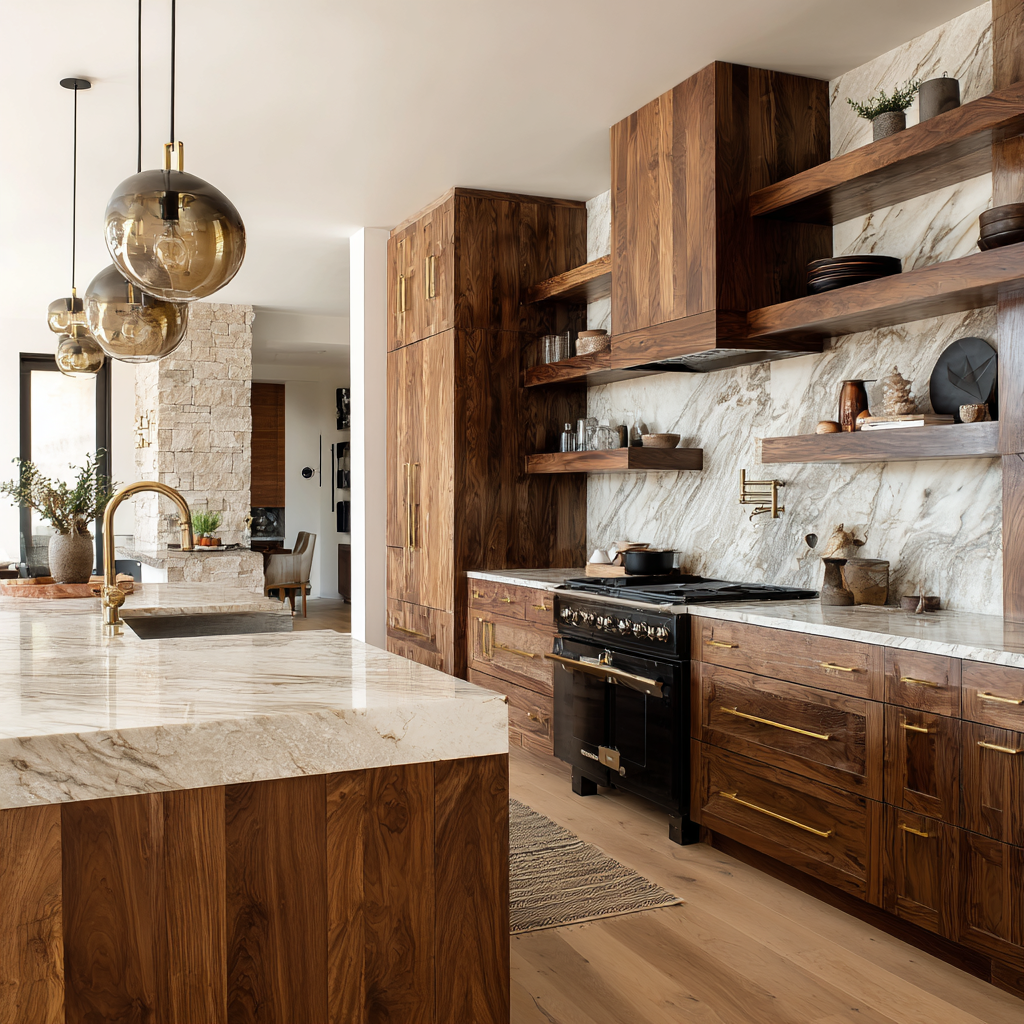
Rustic Modern introduces weathered wood, rough stone, woven textiles, and aged leather.
A clean-lined room becomes warm through reclaimed wood accents or layered textiles.
Visual simplicity remains.
Sensory richness increases.
Natural Imperfection as Design Element
Modern rustic style blends streamlined forms with authentic material character.
Wood grain variations.
Stone veining.
Handmade ceramics with irregular edges.
Imperfection becomes feature—not flaw.
Curated Over Cluttered
Unlike traditional rustic interiors that may feel crowded, Rustic Modern is selective.
Three meaningful ceramics instead of twenty.
One statement reclaimed table instead of decorative overload.
Breathing room becomes part of the aesthetic.
Intentional Living Through Rustic Modern Design
Sustainable Material Choices
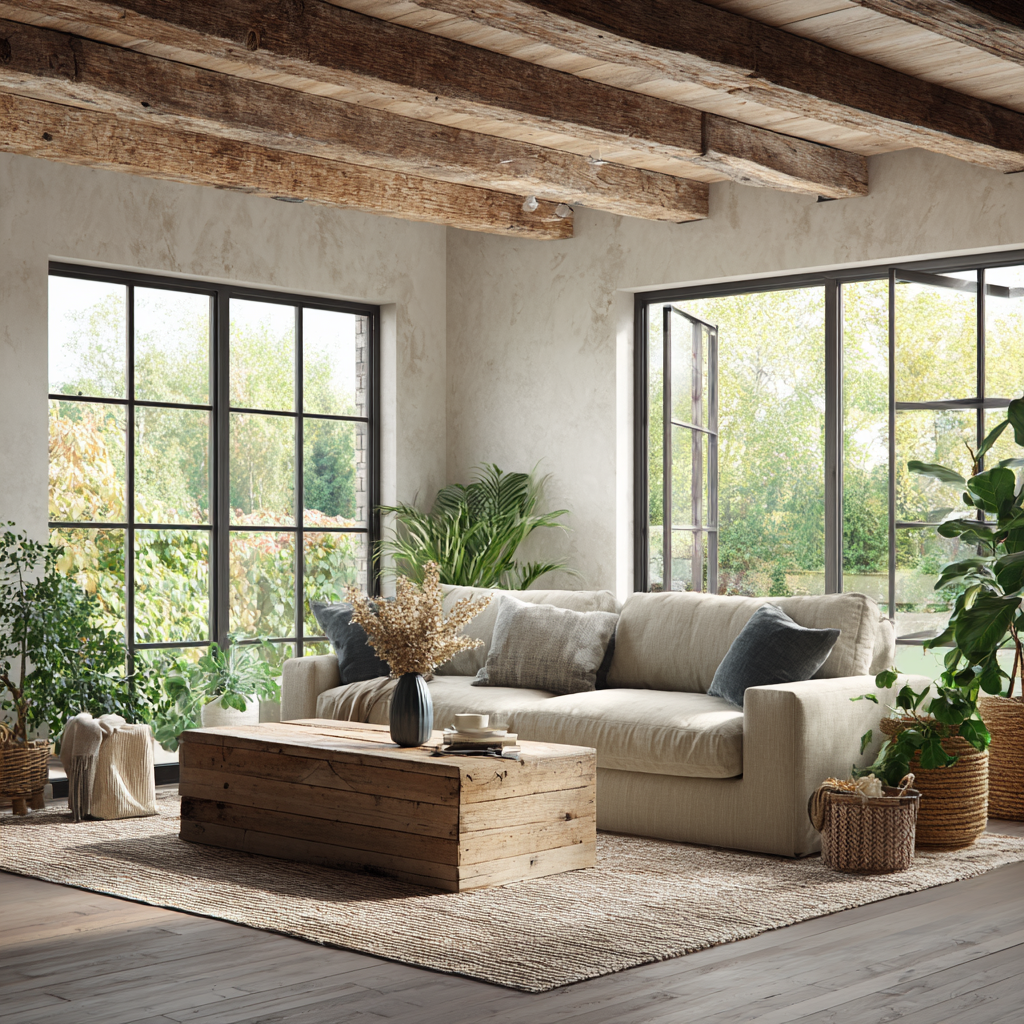
Reclaimed wood has a significantly smaller carbon footprint compared to newly harvested lumber.
Using salvaged barn wood or vintage furniture reduces deforestation and production waste.
Reclaimed timber reduces environmental impact and preserves forest ecosystems.
This aligns directly with intentional living principles.
Connection to Craftsmanship and Story
Rustic Modern celebrates handmade and artisanal elements.
Hand-forged iron fixtures.
Local pottery.
Custom woodwork.
Each piece carries narrative and meaning.
Mindful Consumption and Longevity
The style encourages investing in durable, timeless pieces.
A solid reclaimed dining table may serve generations.
Using reclaimed timber reduces demand for new lumber and supports environmental preservation.
Biophilic Connection to Nature
Natural materials support mental well-being.
Exposure to wood, stone, and greenery reduces stress and improves focus.
Rustic Modern integrates nature through materials, light, and layout.
Key Elements of Rustic Modern Design
Materials: The Foundation of Authenticity
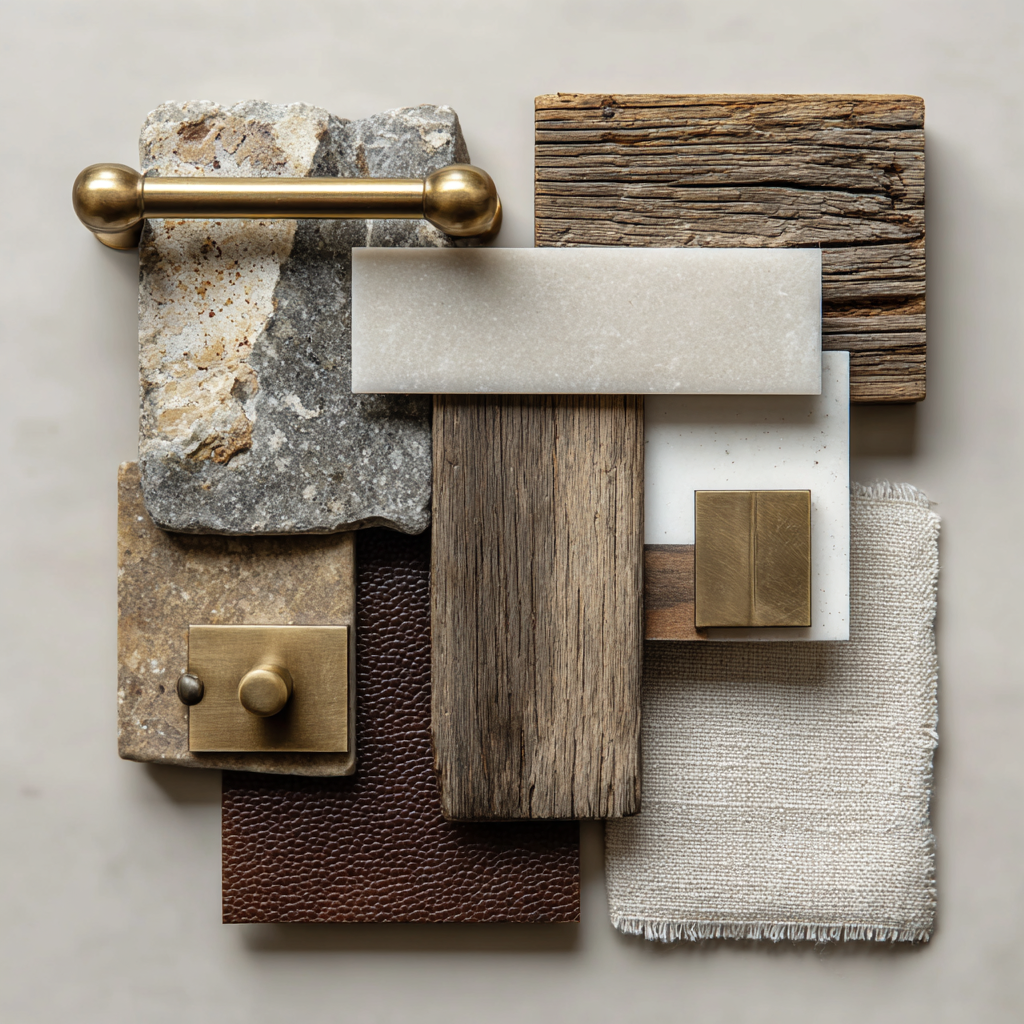
Reclaimed and Natural Woods
Wood is the cornerstone.
Barn wood.
Oak.
Walnut.
Chestnut.
Reclaimed teak.
Use for flooring, accent walls, beams, and furniture.
Look for FSC-certified sources when possible.
Stone and Concrete
Natural stone adds grounding texture.
Flagstone, slate, granite, soapstone.
Board-formed concrete bridges rustic and modern through wood-grain impressions.
Metal Accents
Wrought iron.
Blackened steel.
Brushed brass.
Aged bronze.
Copper.
Avoid high-polish chrome.
Choose matte or aged finishes.
Natural Textiles
Linen.
Wool.
Cotton canvas.
Leather.
Jute.
Sisal.
Avoid synthetics or overly formal fabrics.
Biophilic Elements: Integrating Nature
Maximizing Natural Light
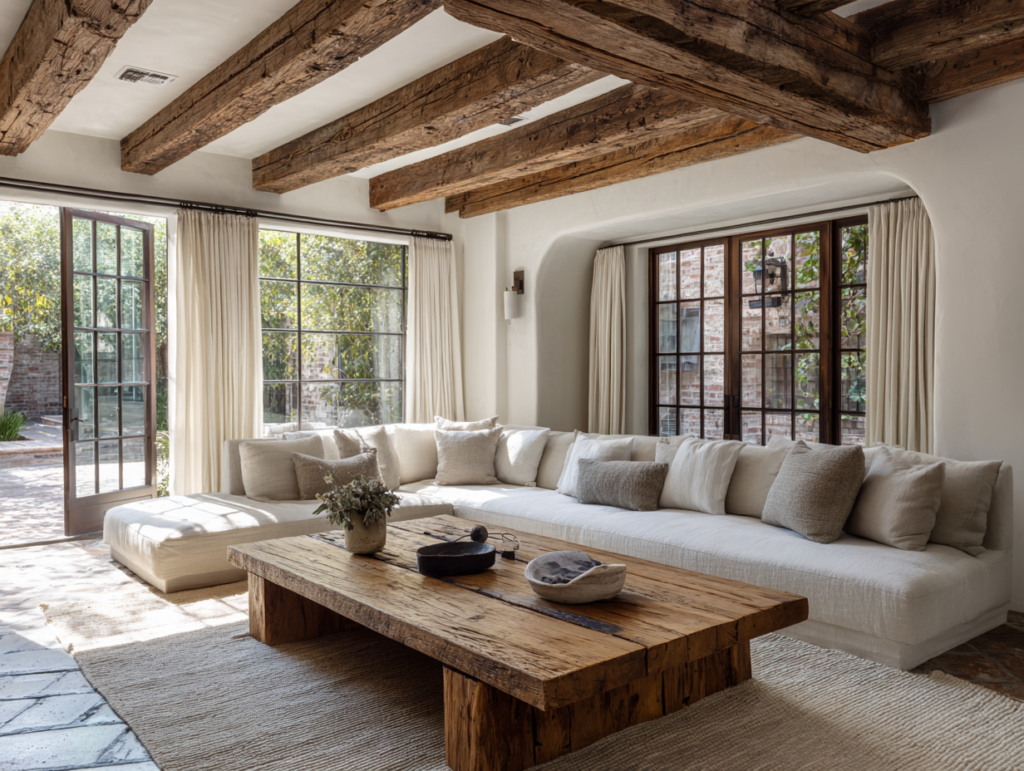
Large windows and glass doors.
Clerestory windows.
Minimal window treatments.
Living Plants
Potted trees.
Succulents.
Herb gardens.
Vertical gardens.
Use natural planters like terracotta, ceramic, or wood.
Landscape Connection
Furniture oriented toward windows.
Outdoor living extensions.
Consistent indoor-outdoor materials.
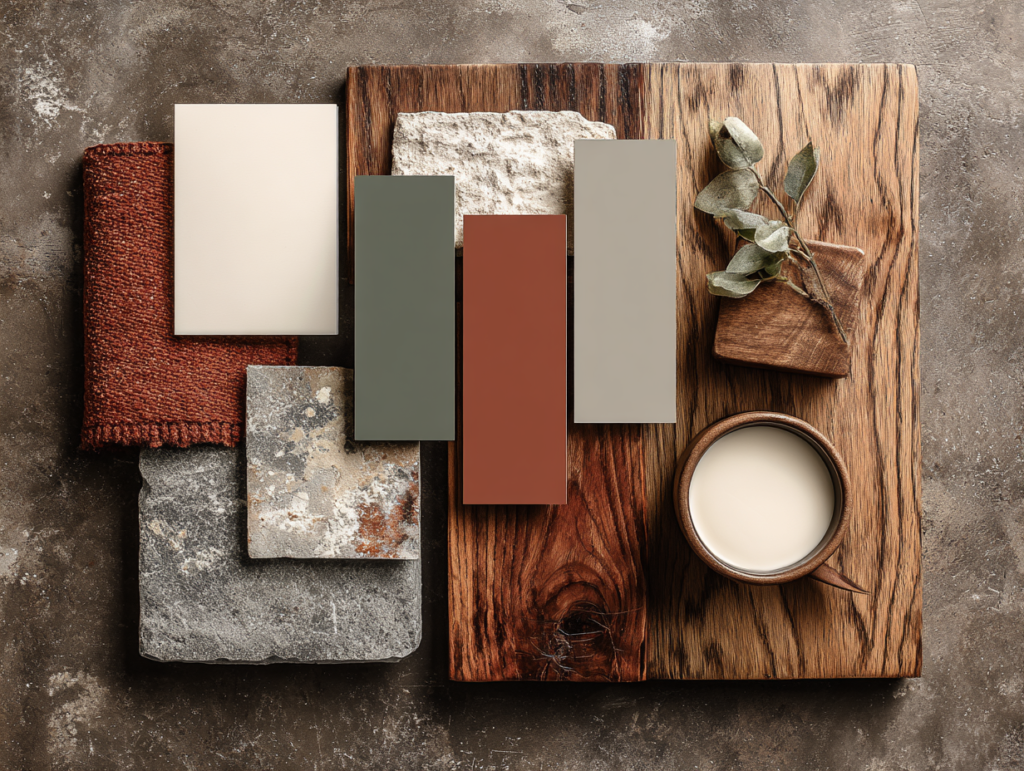
Color Palette: Earthy Neutrals with Purposeful Accents
Foundation Neutrals
Warm whites.
Ivory.
Greige.
Taupe.
Sand.
Earthy Accent Colors
Terracotta.
Forest green.
Warm brown.
Charcoal.
Rust.
Implementation Strategy
60% neutral base
30% wood and stone tones
10% accent colors
Furniture and Layout: Mixing Old and New
Furniture Selection Principles
Clean lines + organic materials.
Mix vintage with contemporary.
Low-profile modern seating.
Multifunctional pieces.
Specific Pieces
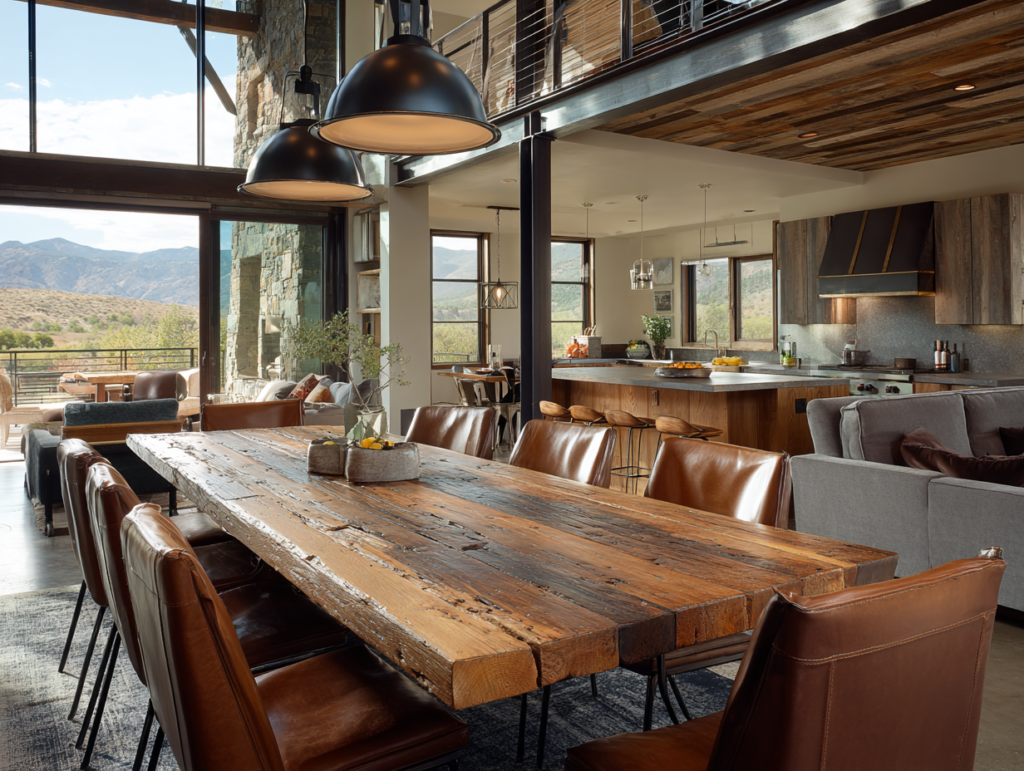
Reclaimed wood dining table with modern chairs.
Modern sofa in linen or leather.
Industrial-modern coffee table.
Open shelving in wood or metal.
Layout Principles
Open floor plan.
Furniture defines zones.
Conversation-focused seating.
Generous spacing.
Connection to outdoors.
Textures and Patterns: Depth Without Overwhelm
Textural Layering
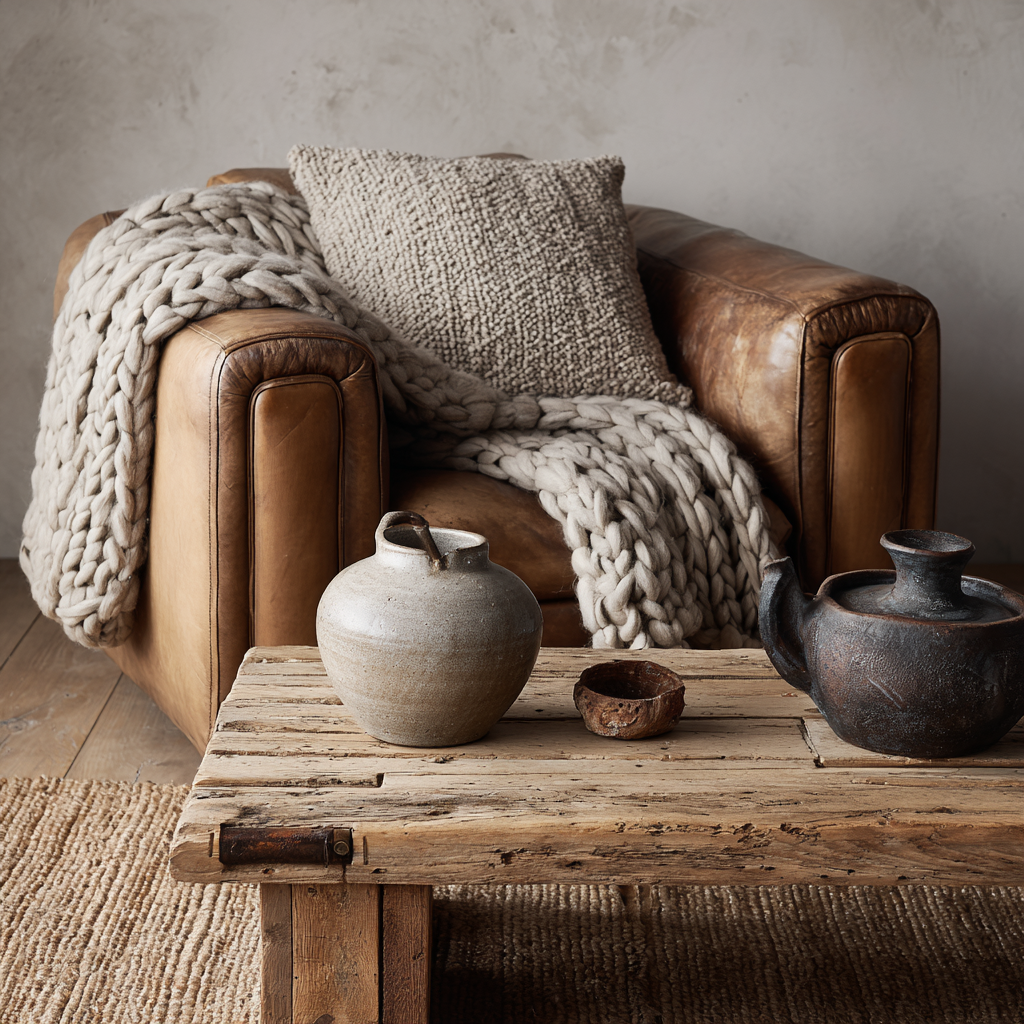
Weathered wood + smooth plaster.
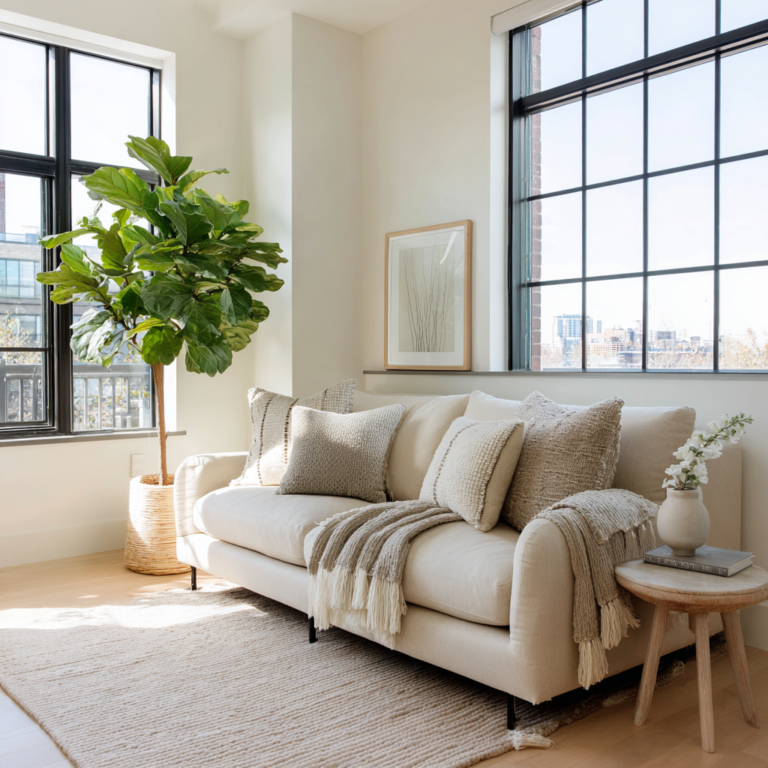
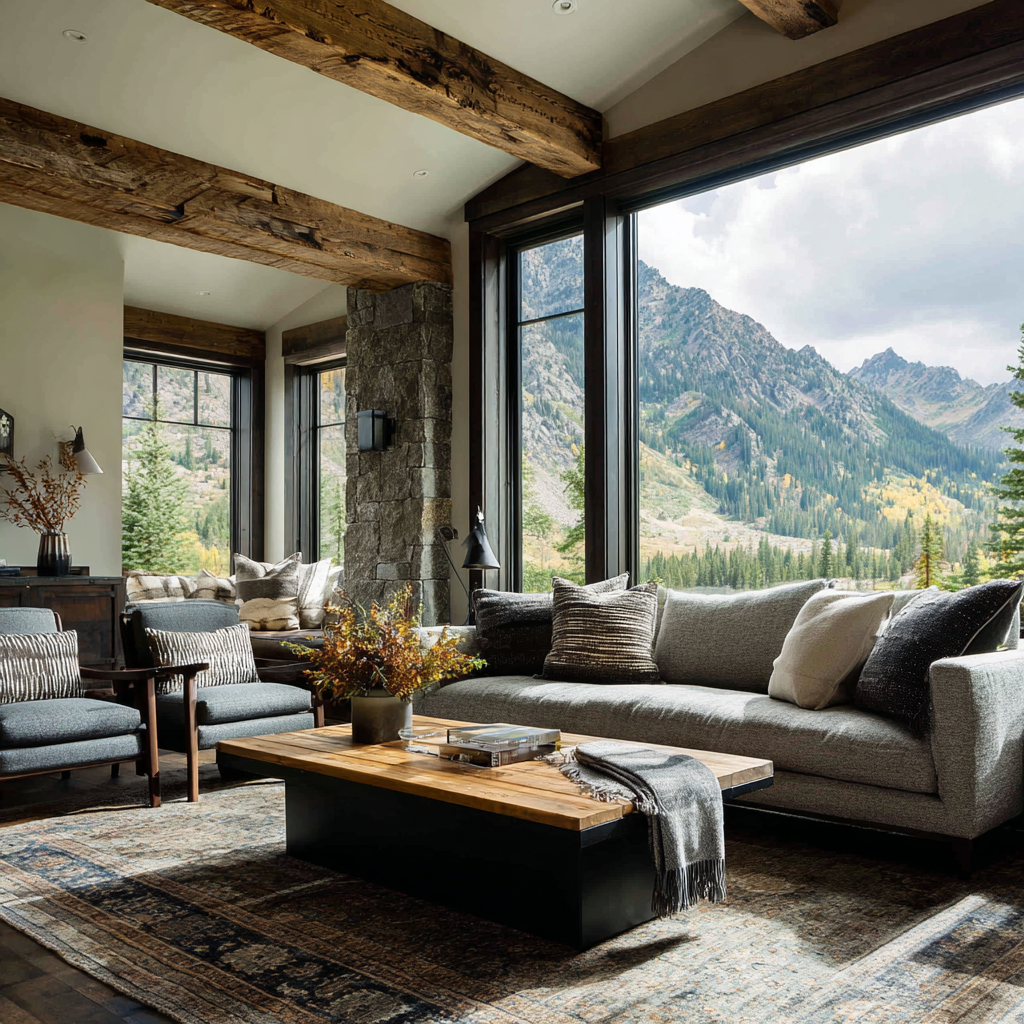
Stone fireplace + linen sofa.
Metal fixtures + woven rugs.
Pattern Guidelines
Subtle geometric stripes or windowpane checks.
Limit to 2–3 patterns maximum.
Let wood grain and stone veining serve as natural pattern.
Practical Implementation Guide
Step 1: Neutral Foundation
Paint walls warm white or greige.
Use neutral rugs if repainting is not possible.
Step 2: Signature Reclaimed Piece
Choose one anchor:
Dining table
Coffee table
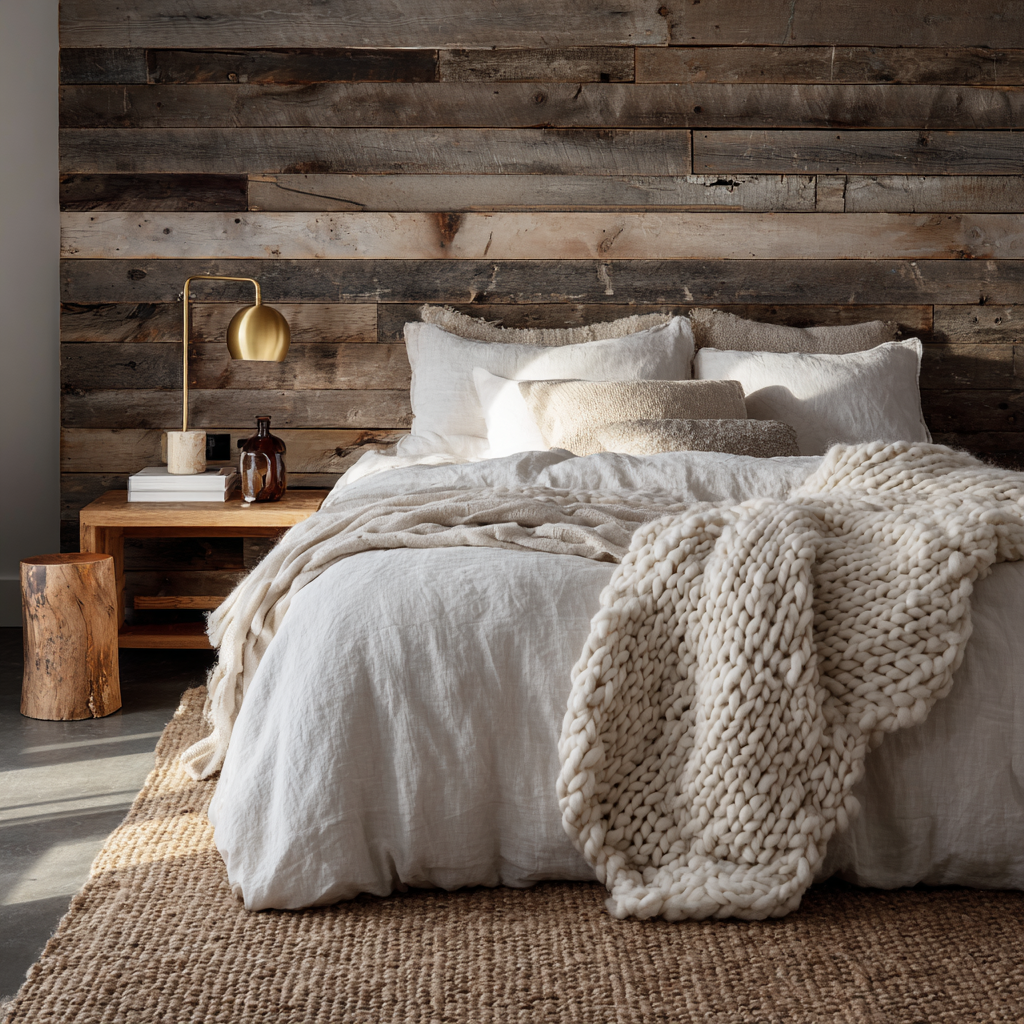
Feature wall
Ceiling beams
Step 3: Add Modern Balance
Pair rustic elements with clean-lined furniture.
Contrast is essential.
Step 4: Layer Textiles
Linen curtains.
Wool rugs.
Leather seating.
Natural fiber throws.
Step 5: Curate Meaningfully
Select handmade or vintage accessories.
Avoid over-styling.
Step 6: Integrate Biophilic Elements
Add plants.
Maximize natural light.
Create visual connection to outdoors.
Sourcing Sustainably and Budget-Consciously
Where to Find Materials
Architectural salvage yards.
Estate sales.
Online marketplaces.
Habitat ReStores.
Local demolition projects (with permission).
Budget Strategies
Start with paint and textiles.
DIY refinishing.
Mix high and low pieces.
Phase room by room.
Use what you already own.
Authenticity Over Imitation
Avoid artificially distressed materials.
Choose genuine reclaimed or sustainably sourced wood.
Creating Your Rustic Modern Sanctuary
Rustic Modern balances history and modernity.
Warmth and restraint.
Simplicity and richness.
By choosing reclaimed materials, curating carefully, and prioritizing sustainability, this style supports intentional living.
It honors craftsmanship.
It connects to nature.
It creates homes that nurture rather than overwhelm.
Rustic Modern complements:
• Scandinavian Design clarity
• Japandi Design craftsmanship
• Organic Modern Design biophilia
• Modern Mediterranean Design warmth
• Desert Modern Design restraint
Each expresses the same essential philosophy:
A meaningful home supports a meaningful life.
Join the Circle of Warmth
A quiet letter on warm, intentional living — delivered occasionally.