Warm Minimalism — The Cozy Evolution of Minimalist Design
There comes a moment when a room feels right—not because it’s perfect, but because it lets you breathe. The light falls softly, the air feels easy, and nothing pulls at your attention in a way that tires you. For many, that quiet sense of arrival is what warm minimalism quietly offers: a way of living with less visual noise, yet more emotional warmth.
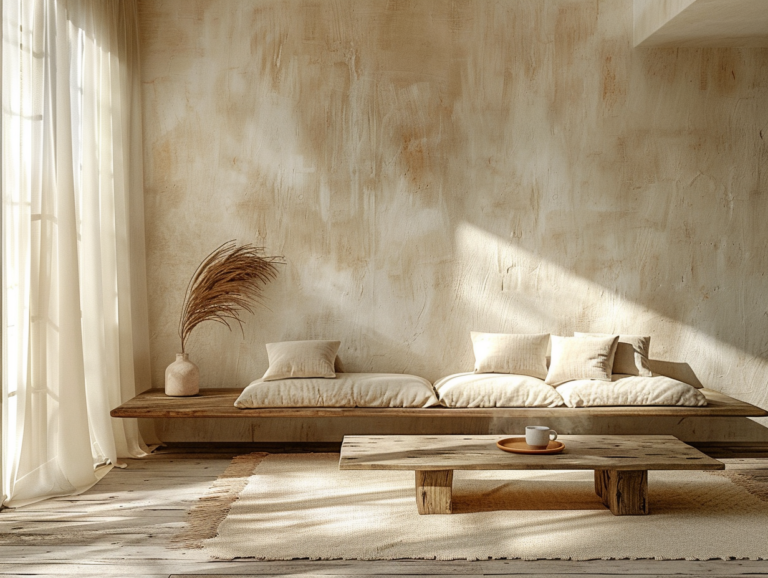
Traditional minimalism gave us clarity through subtraction—clean lines, white walls, empty surfaces. It was a necessary exhale after decades of excess. But for some, it left a subtle chill: beautiful in photos, but not always comforting to inhabit day after day. Warm minimalism emerged as a gentle correction—not a rejection, but an evolution. It keeps the pared-back layouts and intentional editing, while inviting in softness, texture, and the subtle glow of natural materials and muted earth tones.
If you’ve ever walked into a space that felt both calm and lived-in, where the simplicity didn’t feel stark but supportive, you’ve likely brushed against warm minimalism without naming it.
The Core of Warm Minimalism
At its heart, warm minimalism is minimalist design warmed by humanity. It pares back to essentials but chooses those essentials with care for how they feel against skin, how they age, and how they catch light.
Key elements include:
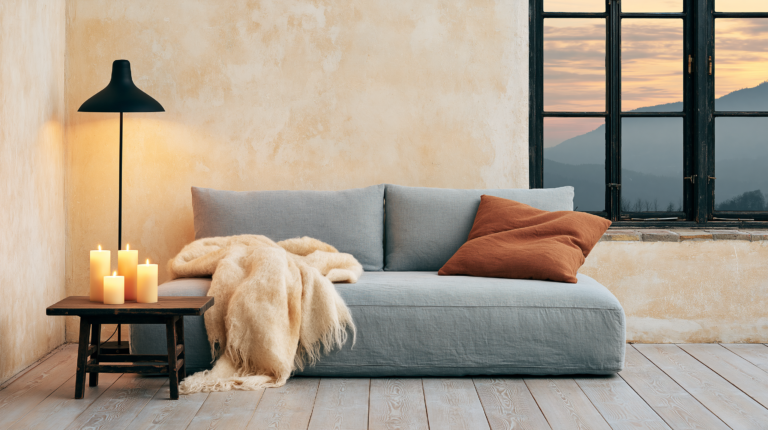
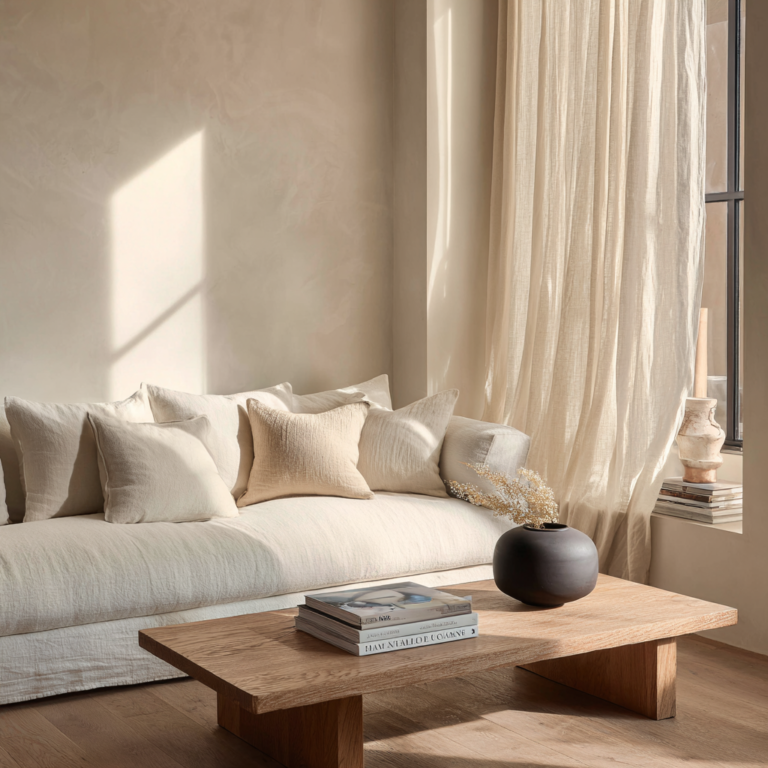
- Color palette — Soft, earthy neutrals: warm beiges, creamy taupes, gentle greiges, soft browns, and occasional muted terracottas or ochres. These tones reflect light rather than absorb it, creating rooms that feel luminous even on overcast days.
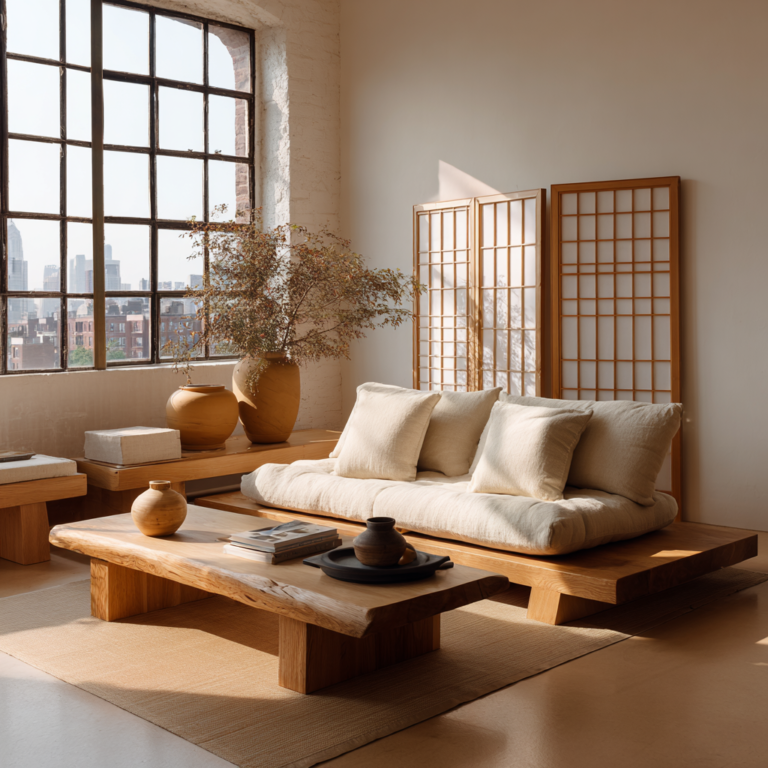
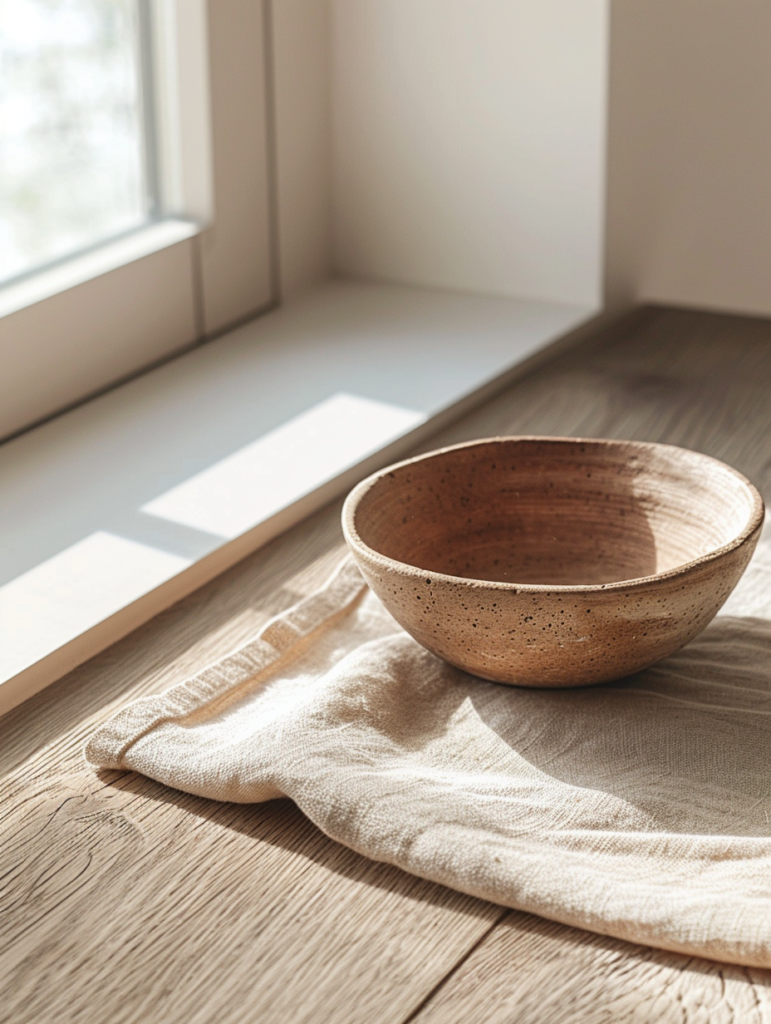
- Materials — Natural and tactile: solid wood (especially lighter oaks or walnuts with visible grain), linen, wool, cotton, stone, unglazed ceramics, and rattan. These surfaces invite touch and develop patina over time, adding character without clutter.
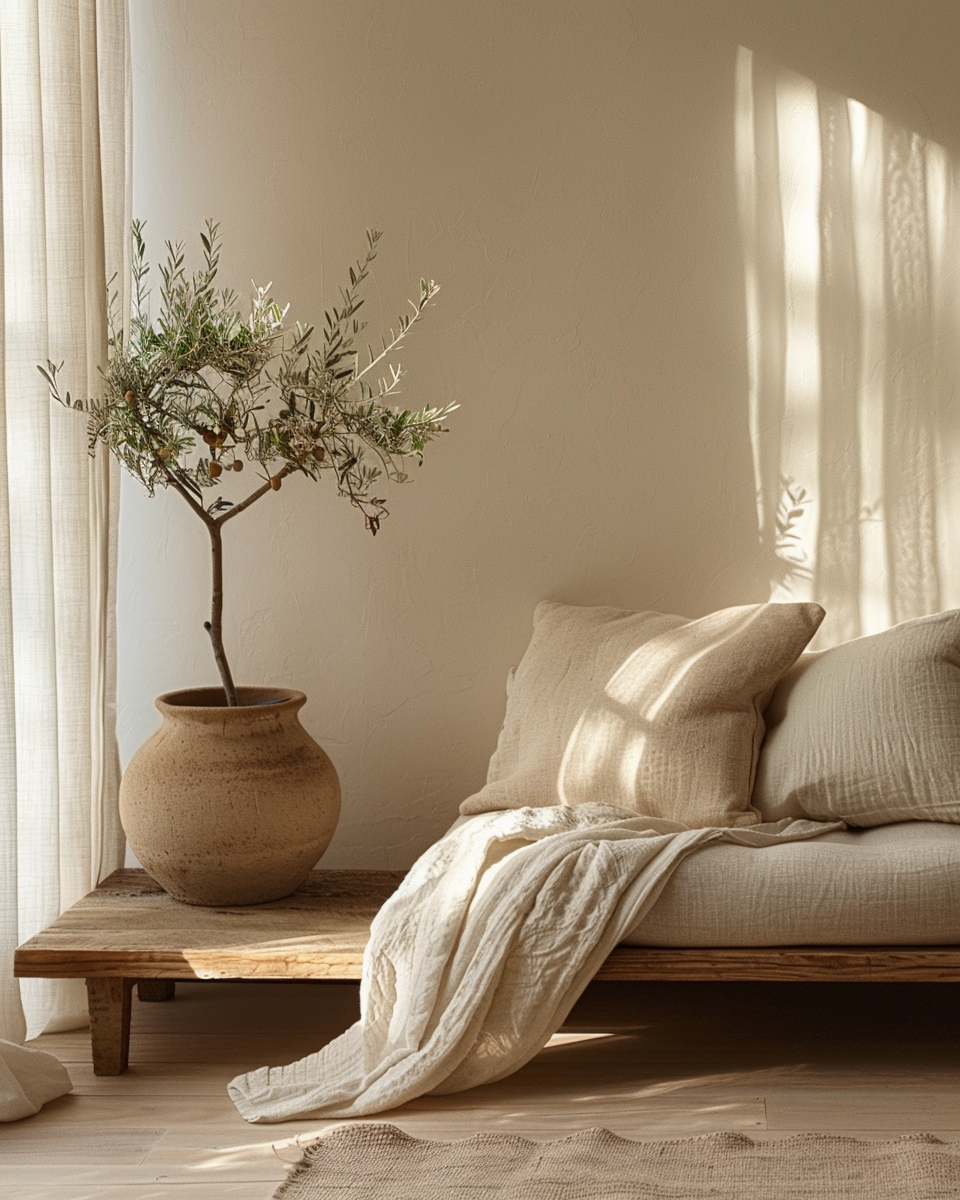
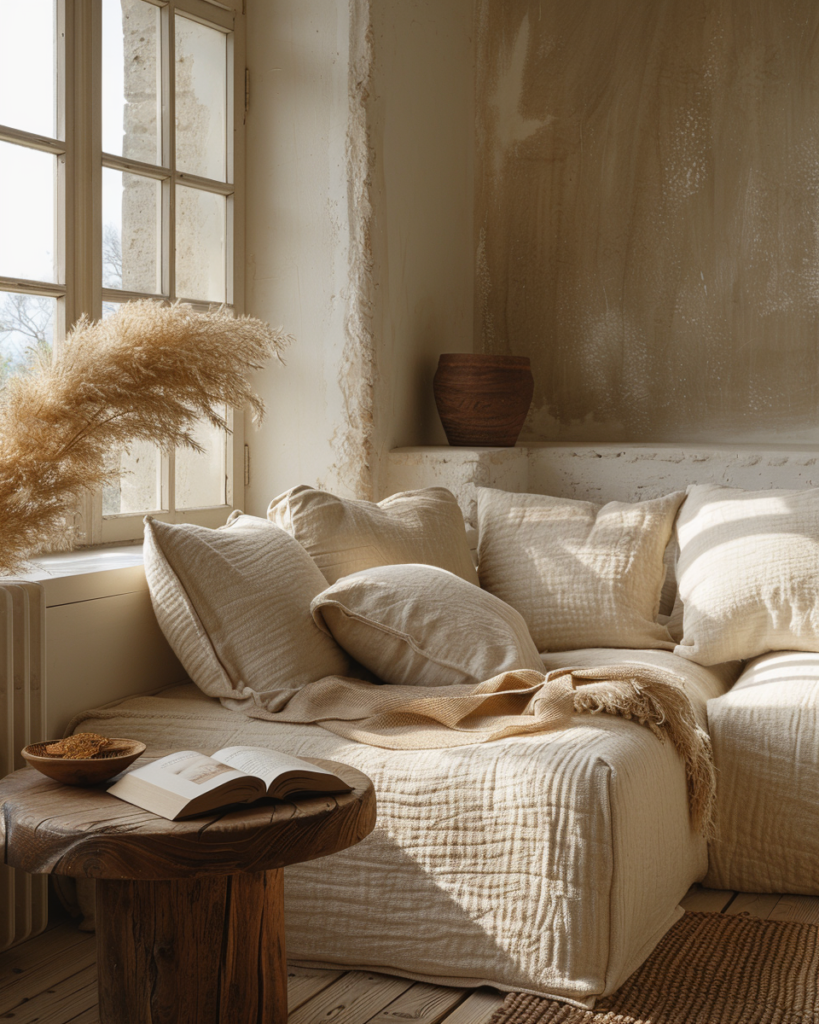
- Texture over starkness — Layering subtle contrasts: smooth wood against nubby wool, matte finishes next to slightly textured plaster or linen. The eye rests on variation without being overwhelmed.
- Furniture — Few pieces, but thoughtfully chosen: low profiles, clean lines, organic shapes, and comfort-first construction. A deep sofa in natural linen, a simple wooden dining table that seats six without dominating the room.
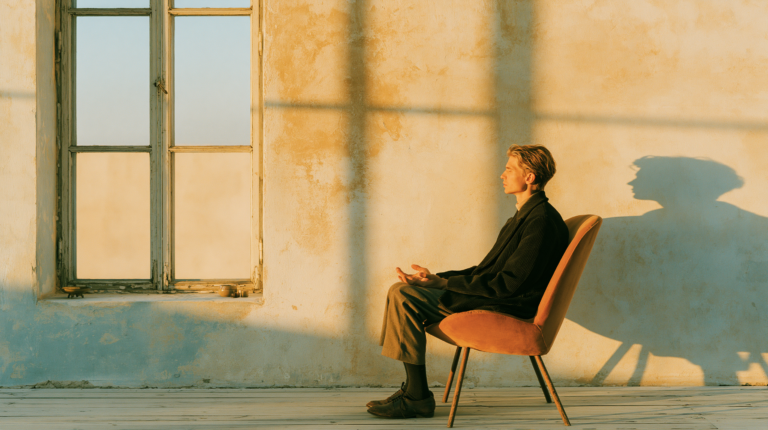
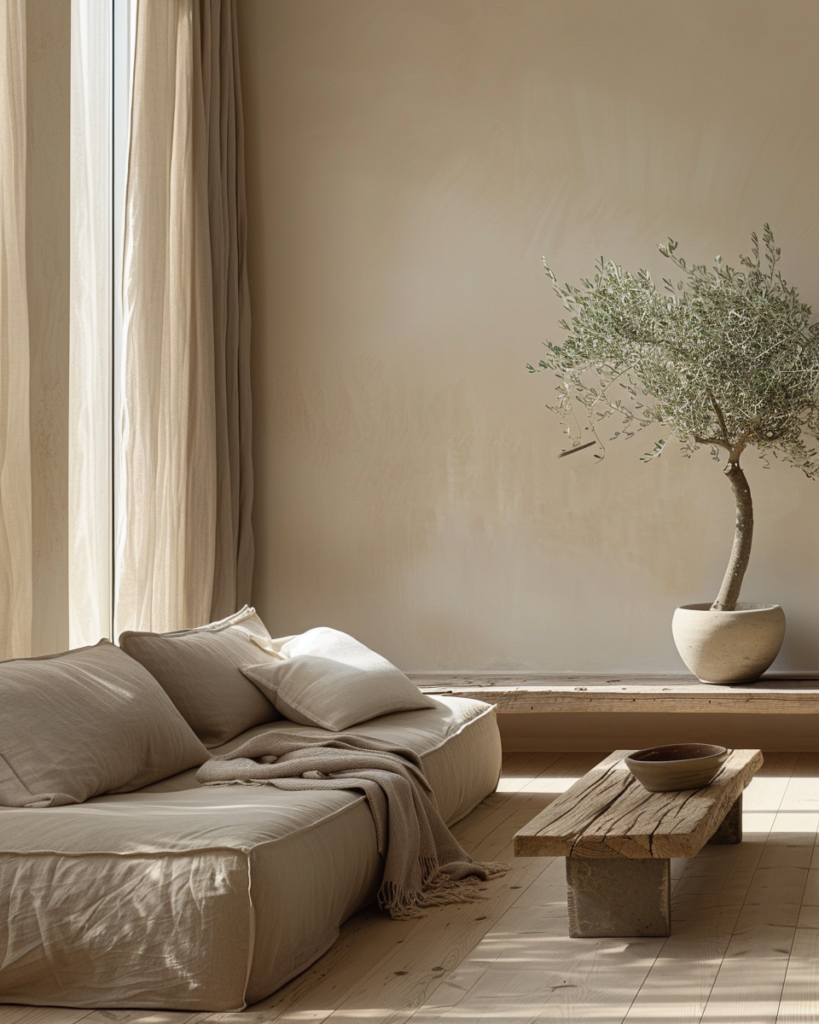
- Negative space — Generous breathing room between objects. This isn’t emptiness—it’s intentional pause that allows the mind to settle.
The result is a space that feels composed yet deeply human: edited, but never erased.
Why Warm Minimalism Feels Right Now
After years of cold, gallery-like minimalism dominating feeds and magazines, many began to notice a quiet fatigue. The all-white rooms looked serene in golden-hour photos but could feel clinical in real life—especially during long winters or uncertain times. Warm minimalism answers that longing for comfort without sacrificing the peace that drew people to minimalism in the first place.
It also aligns with a broader cultural shift toward nervous-system-friendly living. People are seeking homes that help regulate rather than stimulate, spaces that support rest and presence rather than constant visual input. In a world that’s often loud and fast, a home that feels like an exhale has become a form of quiet rebellion.
Sustainability plays a role too—not as a loud statement, but as a natural outcome. Choosing durable, natural materials that age well reduces the need for frequent replacement. Fewer items mean less consumption overall. It’s minimalism with longevity in mind.
Key Principles to Guide You
Warm minimalism isn’t rigid rules—it’s a feeling you tune into. These principles help cultivate that feeling:
- Edit with emotion, not just aesthetics
Keep what supports your daily life and brings a subtle sense of ease. Release what creates mental friction, even if it’s “beautiful.” - Layer gently
Add warmth through texture and subtle repetition (a throw blanket, a ceramic vessel, a plant) rather than multiplication of objects. - Honor natural light
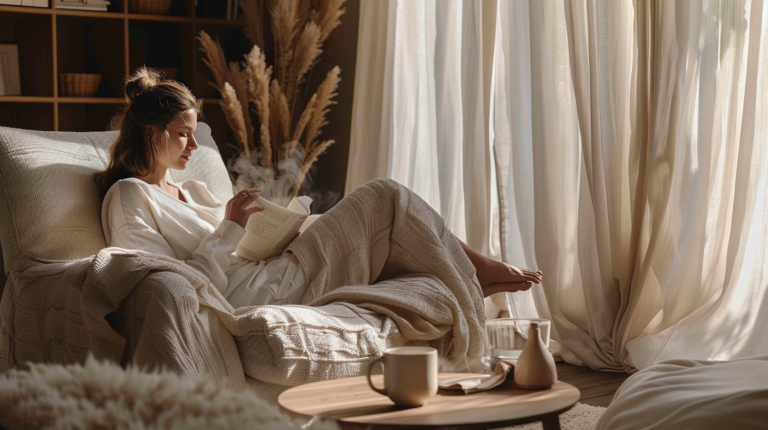
Let it be the primary source of illumination. Use sheer curtains, avoid heavy blocking, and position furniture to follow the sun’s path. - Choose materials that age gracefully
Embrace patina—scratches on wood, fading on linen—as signs of a life well lived, not flaws. - Create quiet zones
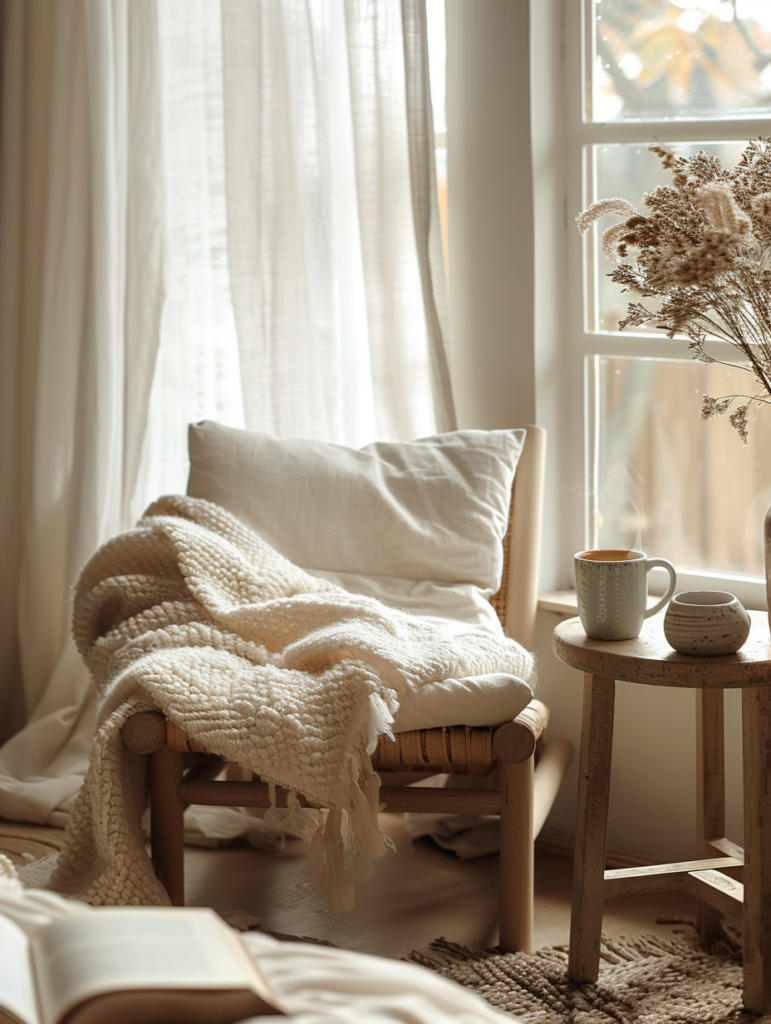
Designate areas for pause: a reading chair by a window, a cleared surface for morning coffee. These small sanctuaries recharge the nervous system.
Quick Wins to Bring It Home
You don’t need a full renovation. Start small:
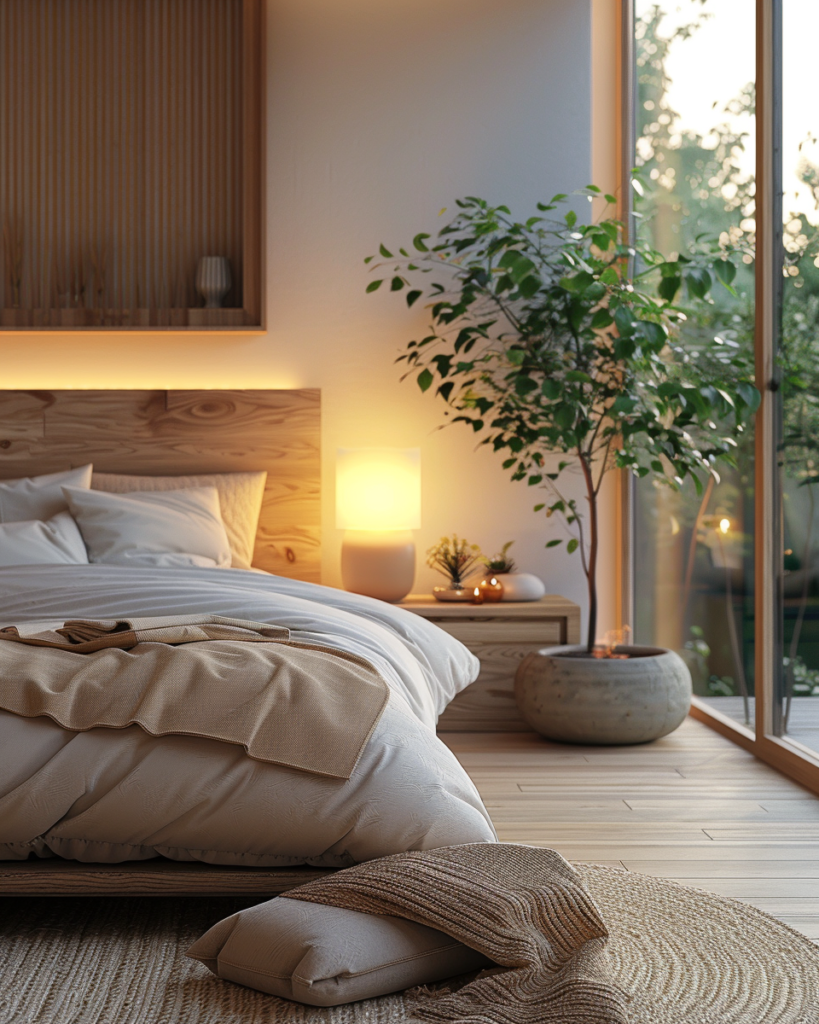
- Swap stark white bedding for soft taupe or oatmeal linen sheets and a wool throw. The change in hand-feel is immediate.
- Replace bright overhead lights with warm-toned bulbs (2700K–3000K) and add a floor lamp with a diffused shade.
- Introduce one or two natural elements: a wooden stool, a woven basket, a potted olive or fiddle-leaf fig.
- Declutter one surface (coffee table, nightstand) completely, then add back only what feels necessary and beautiful in its simplicity.
- Paint one wall or room in a warm neutral
A Space That Holds You
Warm minimalism isn’t about achieving an aesthetic ideal—it’s about creating a home that quietly supports the person you already are. It recognizes that beauty and well-being are not separate; one nurtures the other.
When a room feels calm yet inviting, spacious yet intimate, refined yet approachable, it stops being just a backdrop. It becomes a companion—steady, unobtrusive, and kind.
If this resonates, begin by noticing how your current space makes you feel when you walk in after a long day. Does it greet you with ease, or does it ask something of you before you’ve even set down your keys? That small awareness is often the first gentle step.
We would love to see how you are bringing clarity and warmth into your own home. Share your warm minimalist spaces in our community gallery and let your home’s unique story inspire others.
Join the Circle of Warmth
A quiet letter on warm, intentional living — delivered occasionally.