Fika: The Swedish Pause
On coffee, cinnamon, the deliberate middle of the day, and the people we share it with.
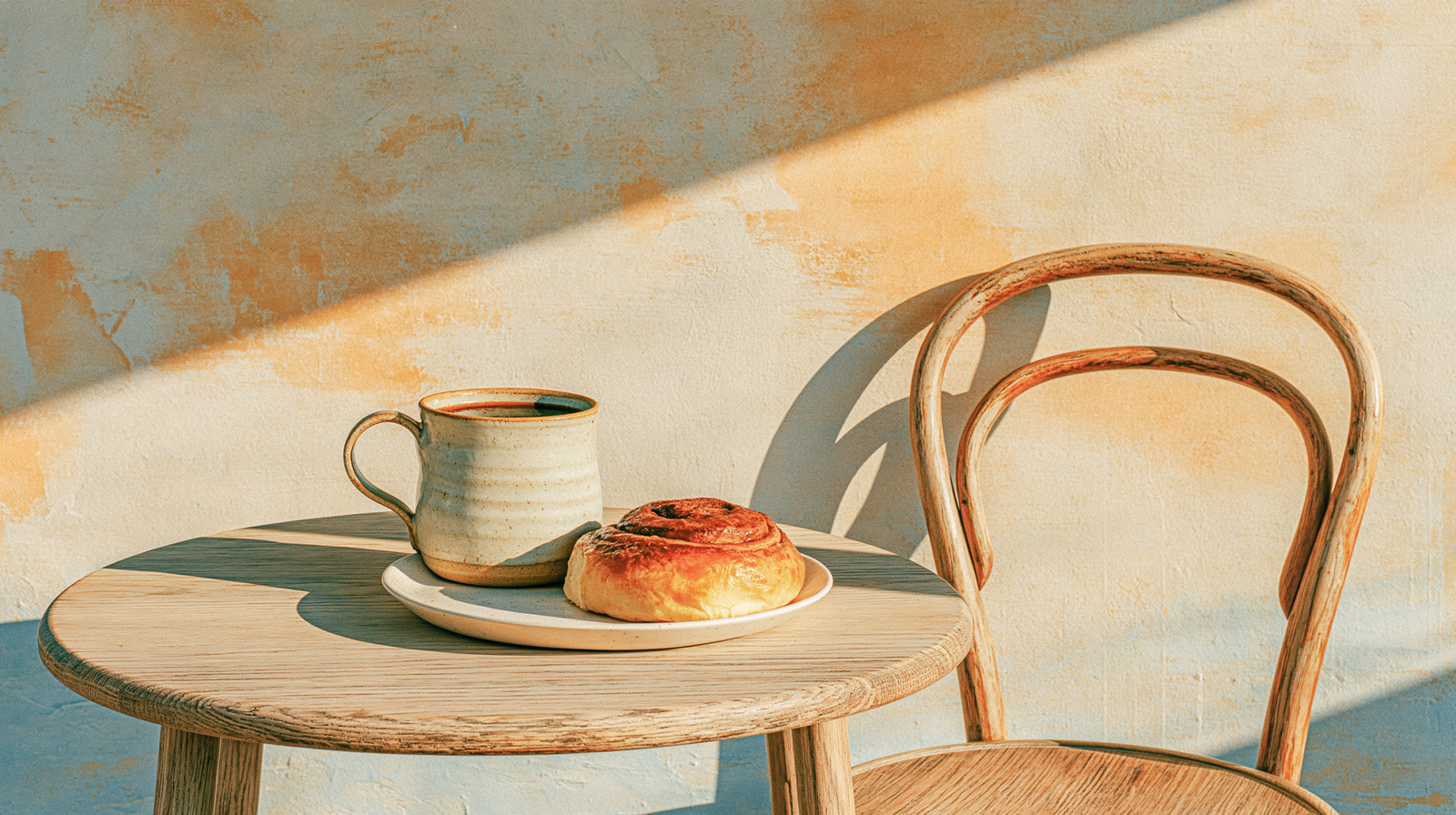
The table is small and pale — bare oak, unhurried grain, morning light crossing its surface at a low angle. A handmade ceramic cup holds coffee, dark and fragrant. Beside it, a cinnamon bun rests on a simple plate, its spiral imperfect, its surface still faintly warm. There is nothing else on the table. No phone, no open laptop, no list of what comes next. Just this: the cup, the cup’s warmth in both hands, the particular quality of a Tuesday morning that has been given, deliberately, a moment to breathe.
This is fika. Not the coffee itself, not the pastry, not even the pause — though all of these are part of it. Fika is the decision to stop. To make something small into something considered. To treat the middle of an ordinary day as worthy of your full attention.
Sweden has practiced this art for centuries. And in a world that has largely forgotten how to stop, fika arrives as both an invitation and a gentle corrective: a reminder that the moments between tasks are not wasted time. They are, in many ways, the point.
For Warm Minimalism, fika is the ritual that keeps simplicity human. It is the warmth that fills the space that restraint creates — not with things, but with presence, pleasure, and the particular joy of a deliberately unhurried moment.
The History of Fika
Sweden has one of the most enduring relationships with coffee of any nation on earth. Coffee arrived in Sweden in the late 17th century and spread rapidly through urban social life — coffeehouses became gathering places for conversation, commerce, and the particular pleasure of a warm drink shared between people with time to talk. By the 18th century, coffee culture was woven into the fabric of Swedish daily life in a way that no subsequent prohibition — and there were several, coffee being banned multiple times by Swedish monarchs who viewed it with suspicion — could fully undo.
The word fika itself is believed to derive from kaffi, an old Swedish slang for coffee, with its syllables inverted in a linguistic playfulness typical of 19th-century working-class slang. By the early 20th century, as labor movements strengthened and the rights of workers to rest and gather were formally recognized, the coffee break became institutionalized in Swedish workplaces. Fika was not merely permitted — it was expected. The pause was not a luxury; it was a social contract.
What distinguished the Swedish coffee break from its equivalents elsewhere was its quality of deliberateness. It was not a hurried cup at a desk or a vending machine transaction. It was a gathering: colleagues sitting together, conversation moving at the pace of warm drinks, the day’s momentum voluntarily suspended for twenty minutes that belonged to no agenda. Over time, the concept expanded beyond the workplace into homes, friendships, and family life — becoming less a break from productivity and more a philosophy of how to distribute one’s time across a day with genuine wisdom.
Today, fika functions as both ritual and identity. To understand Swedish culture is, in part, to understand that a people can organize their days around warmth and connection without apology — and that this is not inefficiency but intelligence.
What Fika Means
At its most literal, fika is coffee and something sweet, taken as a deliberate pause, ideally with others. But like all concepts that carry genuine cultural weight, the literal version is only the surface. Fika is really about what the coffee and the pause make possible: presence, conversation, the temporary suspension of productivity in favor of something more essentially human.
“Fika is a time to take a break — often with a cup of coffee — but fika is so much more than that. Fika is a concept, a state of mind, an attitude.”
— Anna Brones & Johanna Kindvall, Fika: The Art of the Swedish Coffee Break
The state of mind Brones describes is one of willing deceleration. To fika is to decide, for a set period, that what you are doing is this: being here, with this cup, with this person or with yourself. It is the antithesis of the desk lunch, the working breakfast, the podcast consumed during the commute. Fika gives the middle of the day back to itself.
Several qualities define a genuine fika moment.
☕
The Coffee

Strong, properly brewed, and drunk without hurry. Swedes are among the world’s highest per-capita coffee consumers — but the emphasis is always on quality of experience over quantity of caffeine delivery.
🥐
Something Sweet

A cinnamon bun, a cardamom roll, a piece of cake — the treat is part of the ritual, not an indulgence to be earned. It signals that this pause is worth marking with something pleasurable.
🤝
Connection

Fika is most itself when shared. The conversation is unhurried, the topics not necessarily consequential. The point is simply to be present with another person, fully, without agenda.
🕰
The Pause

Fika cannot be rushed and remain fika. The pause is the point — not the coffee, not the bun, but the deliberate suspension of forward motion that allows something quieter to surface.
“Without fika, Sweden would not be Sweden. It is the social glue of the culture — the thing that holds the day together and the people within it.”
— Attributed to Swedish cultural commentary
There is also a solitary fika — a cup taken alone at the kitchen table before the day begins, or in the late afternoon when energy dips and a quiet pause restores more than caffeine ever could. This version of fika is a form of self-companionship: the deliberate decision to be present with your own experience for a few minutes, to check in rather than push through.
When did you last have a cup of something warm without simultaneously doing something else — reading, scrolling, working, listening? What would it feel like to give those twenty minutes entirely to the drink and the moment?
Fika’s Relevance to Warm Minimalism
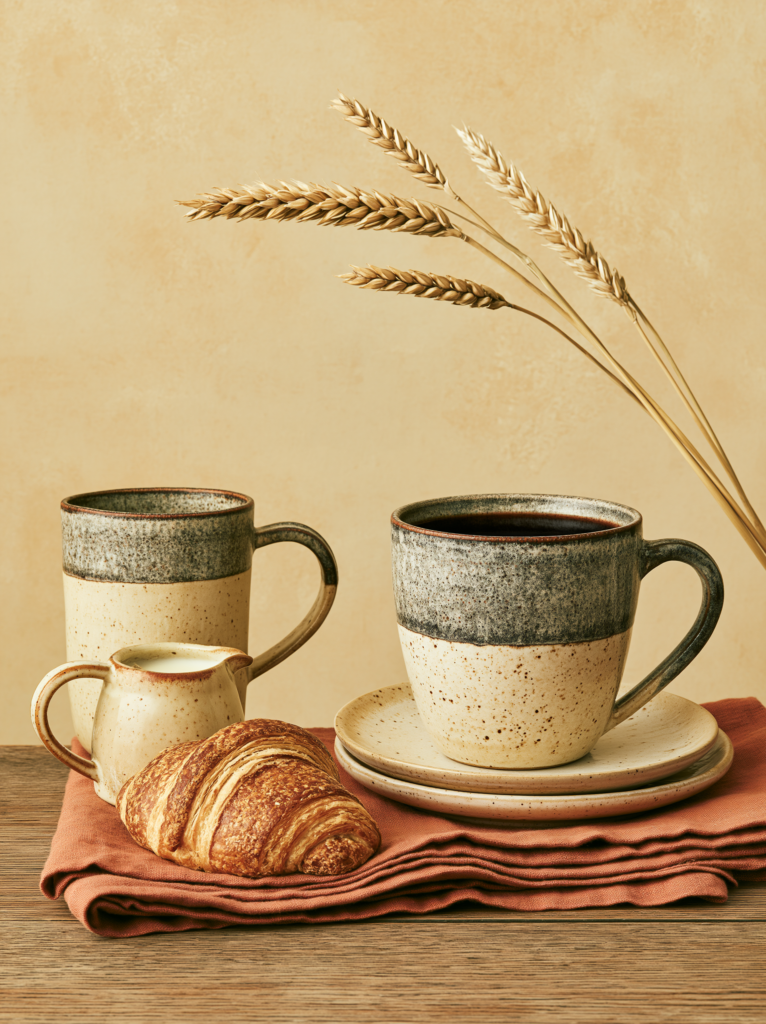
A thoughtfully edited home is a beautiful thing. But a home stripped of ritual can feel oddly empty in ways that have nothing to do with the number of objects in it. What fills a space with genuine warmth is not more furniture or more decoration — it is the quality of life conducted within it. Fika, as a daily practice, is one of the most immediate and practical ways to bring that warmth into a warm minimalist home.
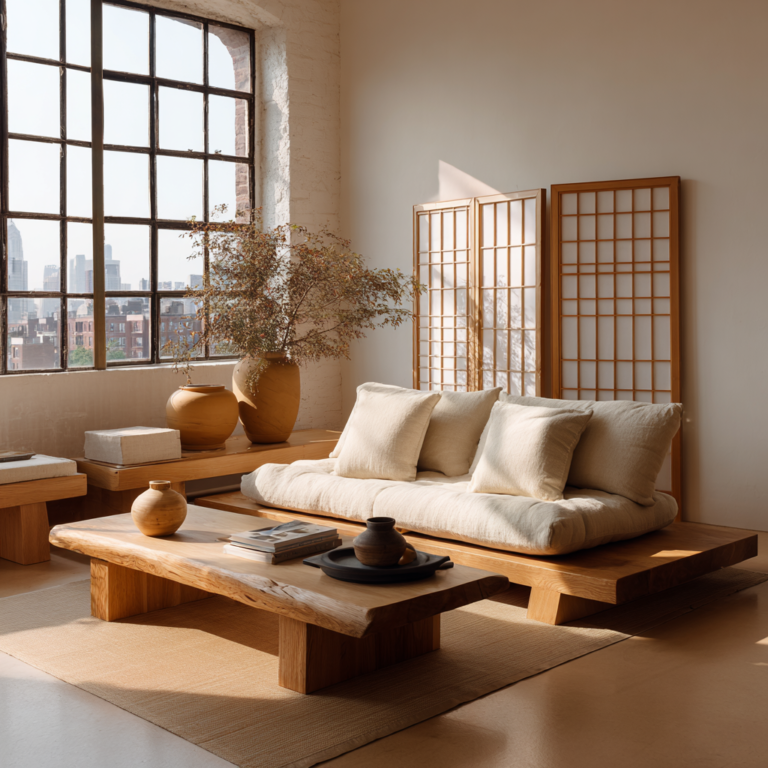
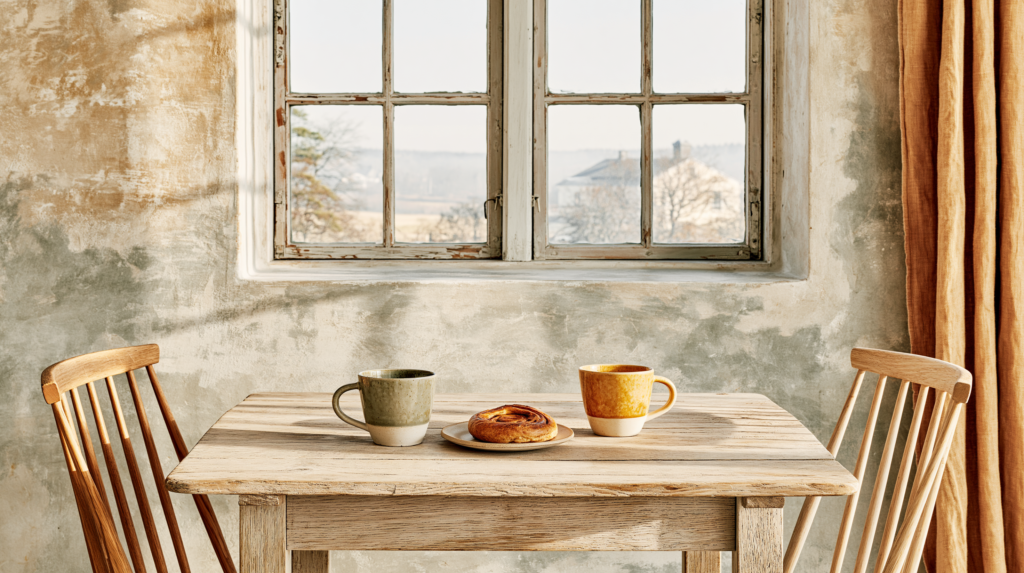
The first gift fika gives a minimal space is occasion. When a pause is deliberately made, a setting can be deliberately created for it — and in doing so, even the simplest corner of a home becomes something purposeful. A small table by a window, a chair angled toward the light, two cups rather than one: these are not decorative arrangements but functional ones, designed for a specific and recurring human moment. The fika corner is, in miniature, the warm minimalist ideal — edited to exactly what it needs, and no more.
☕
The Fika Corner — designing for ritual
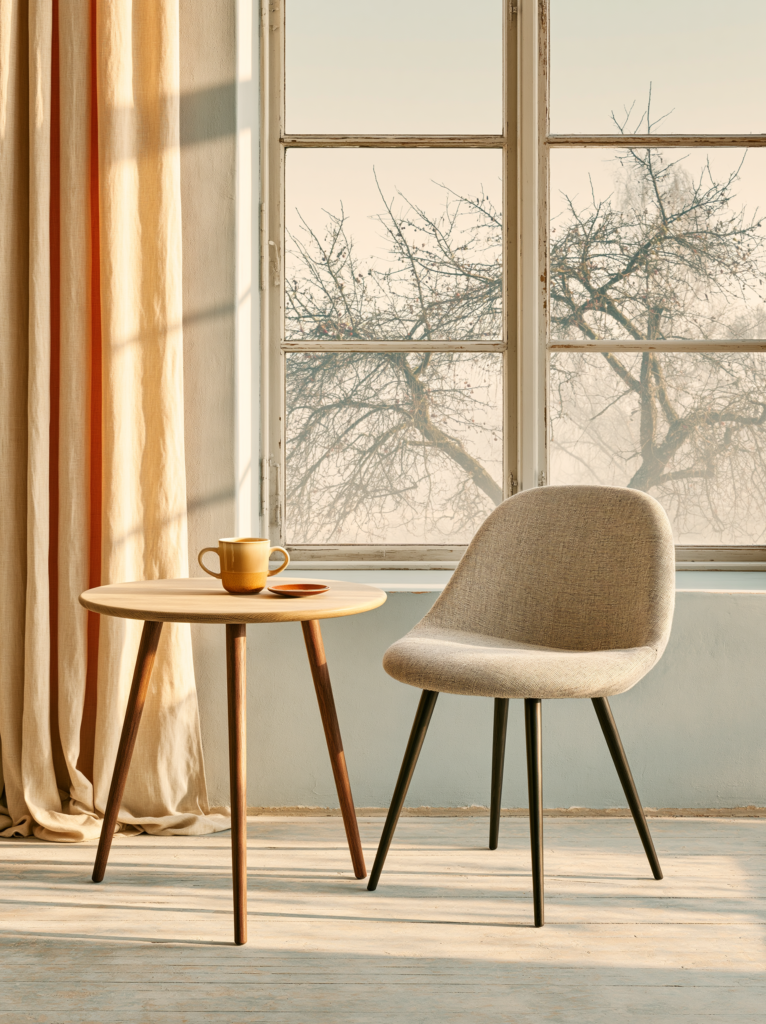
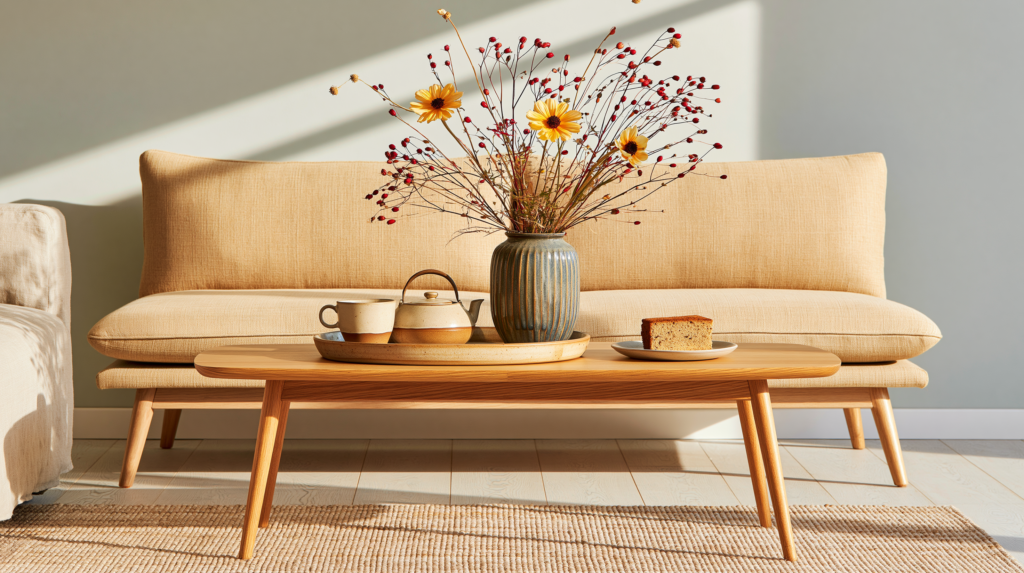
A fika corner in a warm minimalist home needs very little: a small table or low surface at the right height, one or two comfortable seats positioned to face each other or toward a window, a source of natural light, and proximity to wherever coffee is made. The objects that live there can be few and beautiful — a favourite ceramic cup, a small carafe, a plate for whatever is being shared. Nothing decorative for its own sake. Everything in service of the pause.
The ceramics of fika deserve particular attention. In a warm minimalist home, the vessels through which we take our daily nourishment — cups, bowls, plates — carry disproportionate emotional weight precisely because there are so few of them. A handmade ceramic mug, chosen for the way it sits in the hand, the warmth it holds, the slight irregularity of its glaze, becomes through daily use something genuinely beloved. This is the wabi-sabi principle meeting the fika ritual: the imperfect cup that has been used every morning for three years holds more meaning than a perfect set of twelve used occasionally for guests.
Fika also offers a model for how to inhabit time in a warm minimalist home, not just how to furnish space. The practice of building two deliberate pauses into each day — a morning fika and an afternoon one — creates a rhythm that the whole day can be organized around. Rather than working until collapse and then recovering, fika distributes rest evenly, building restoration into the structure of the day rather than bolting it on as an afterthought.
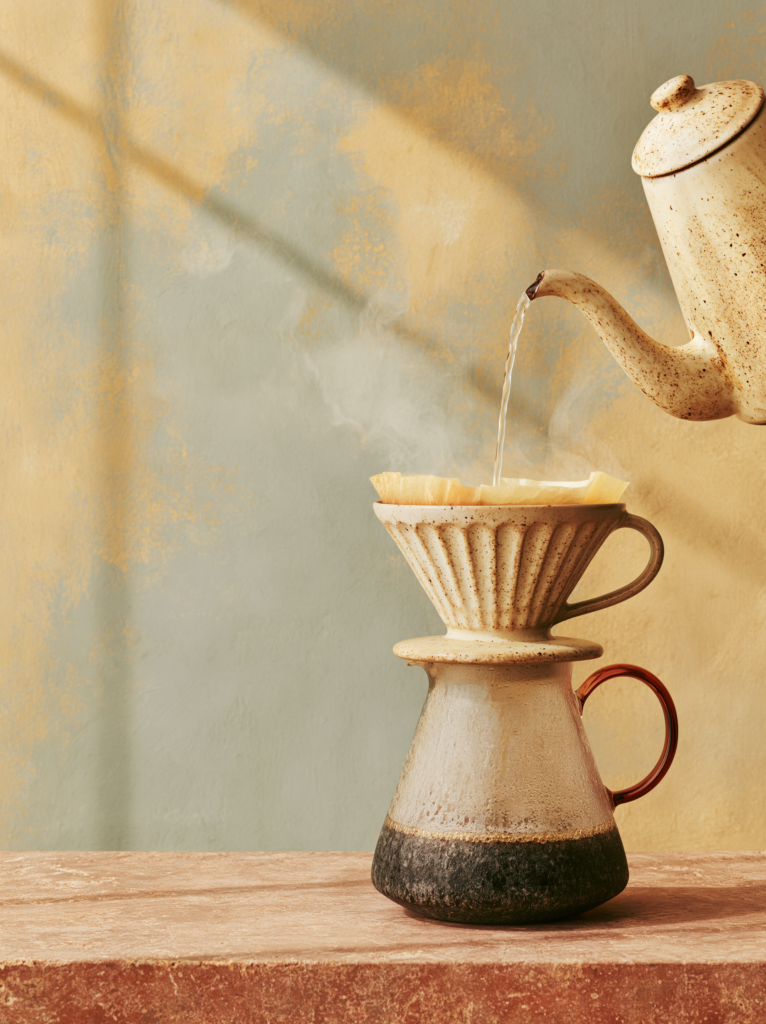
Practically, this might mean: turning off the laptop at ten and making coffee properly — grinding beans, using a pour-over, warming the cup first. It might mean texting a friend to come over for afternoon fika rather than rescheduling again. It might mean putting the phone in another room for twenty minutes and sitting at the kitchen table with nothing but a cup and whatever you can see from the window. The ritual can be as simple as it needs to be. What matters is that it is deliberate — that it is chosen, and that while it lasts, it is the only thing.
There is something in fika that quietly resists the dominant logic of productivity — the idea that time is most valuable when it is most full. Fika insists on a different economy: that twenty minutes given entirely to warmth, connection, and the pleasure of a good cup returns more to the day than twenty minutes of fractured, caffeinated effort. Sweden’s consistently high rankings in both productivity and life satisfaction suggest this is not idealism. It is good design — of a life.
Is there someone in your life you have been meaning to properly sit down with — not for an event, not for an occasion — just to talk, unhurried, over something warm? What would it take to make that happen this week?
The Cup That Holds the Day Together
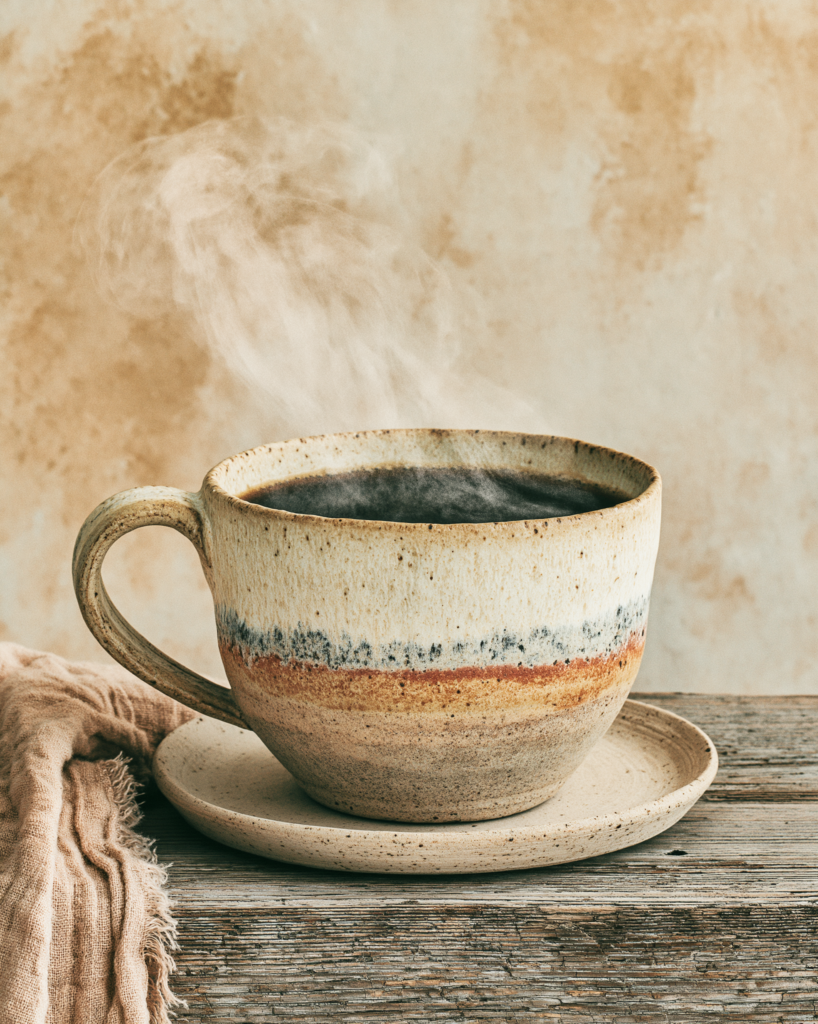
Of the three Scandinavian concepts at the heart of Warm Minimalism, fika is perhaps the most immediately liveable. Hygge requires a certain atmosphere; lagom requires sustained discernment. Fika requires only a kettle, something to drink, and the willingness to stop for twenty minutes.
And yet within that simplicity is something genuinely profound. Fika is the practice of insisting, twice a day, that you are more than your productivity. That the people around you deserve your undivided presence. That a cinnamon bun and a good cup of coffee, taken without hurry and with someone you care about, is one of the more satisfying things a human day can contain.
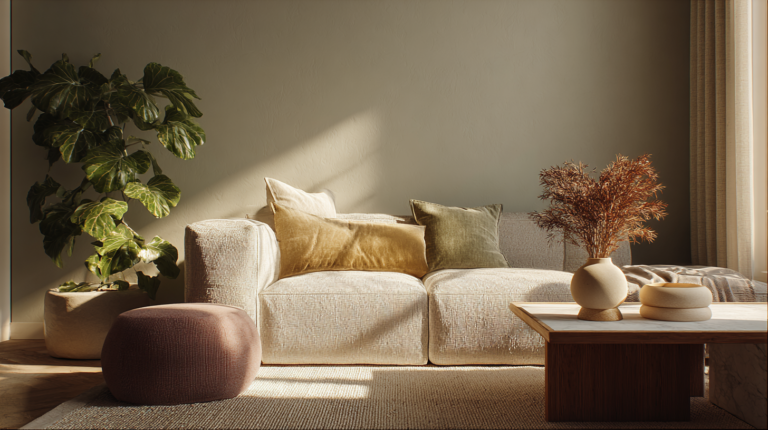
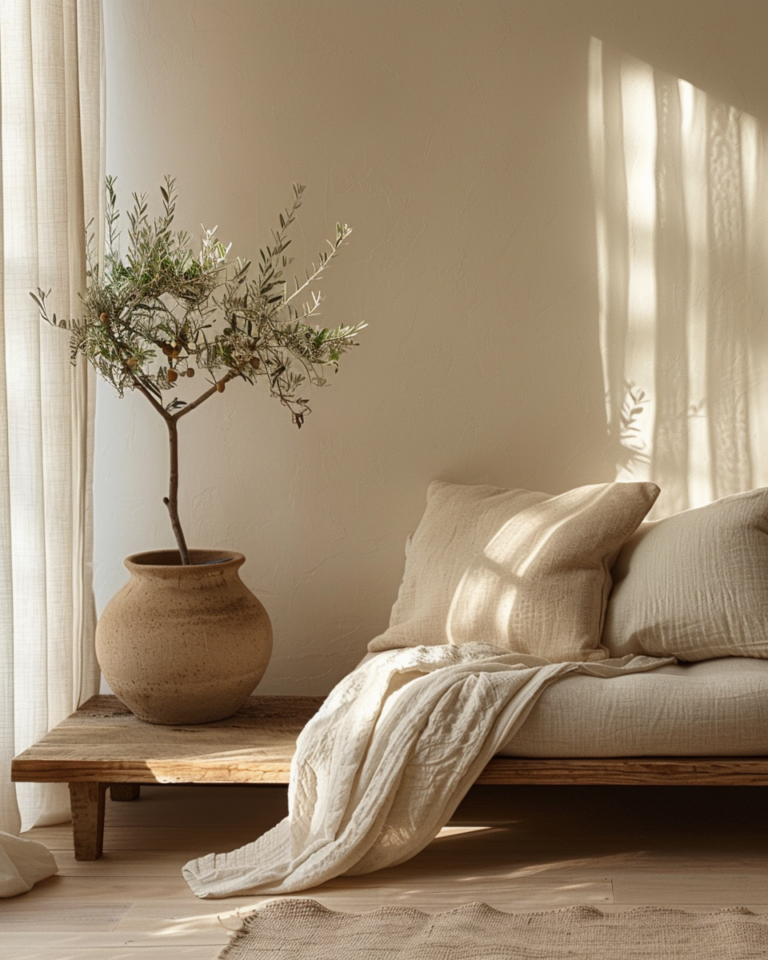
In a warm minimalist home — where the spaces are edited, the surfaces are clear, and the objects are few and chosen — fika finds its most natural setting. The spare table becomes a stage for something alive. The handmade cup becomes a vessel for ritual. The pause becomes, in the context of a well-considered day, the moment everything else is organized around.
This is the gift fika brings to Warm Minimalism: not more warmth through more things, but more life through more presence. The home does not need to be fuller. The day does not need to be busier. Both simply need, at regular intervals, to stop — and in stopping, to remember what they are for.
Four ways to bring fika into your warm minimalist life
Join the Circle of Warmth
A quiet letter on warm, intentional living — delivered occasionally.