Hygge: The Art of Coziness
On candlelight, soft wool, and the radical comfort of staying in.
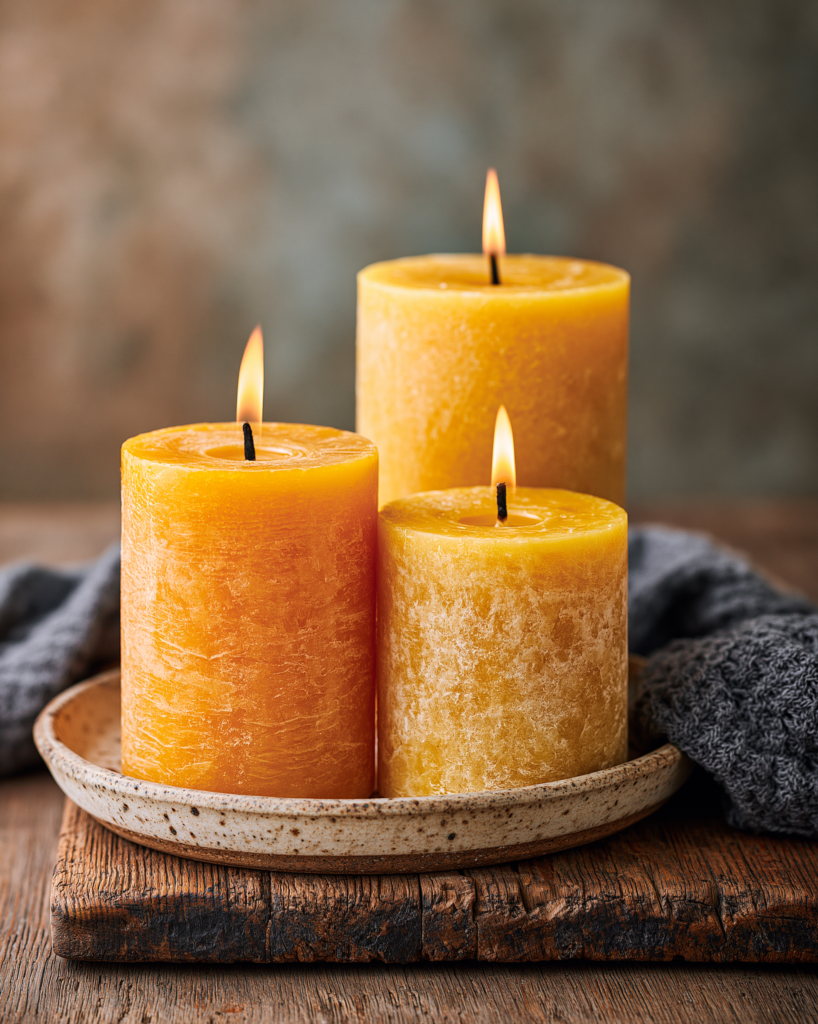
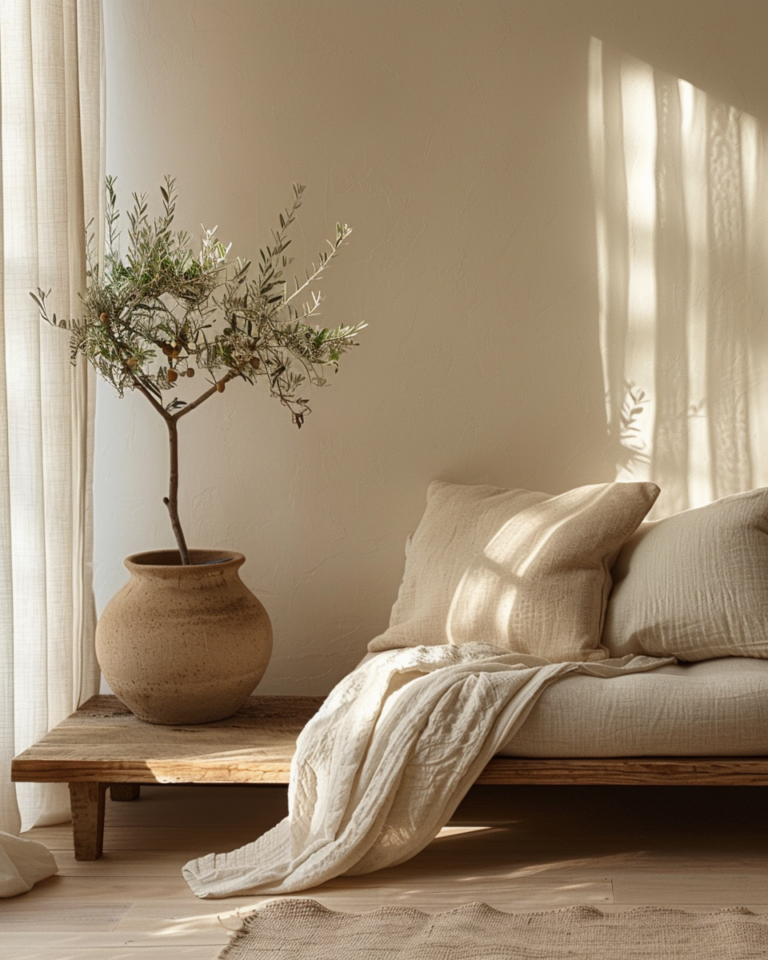
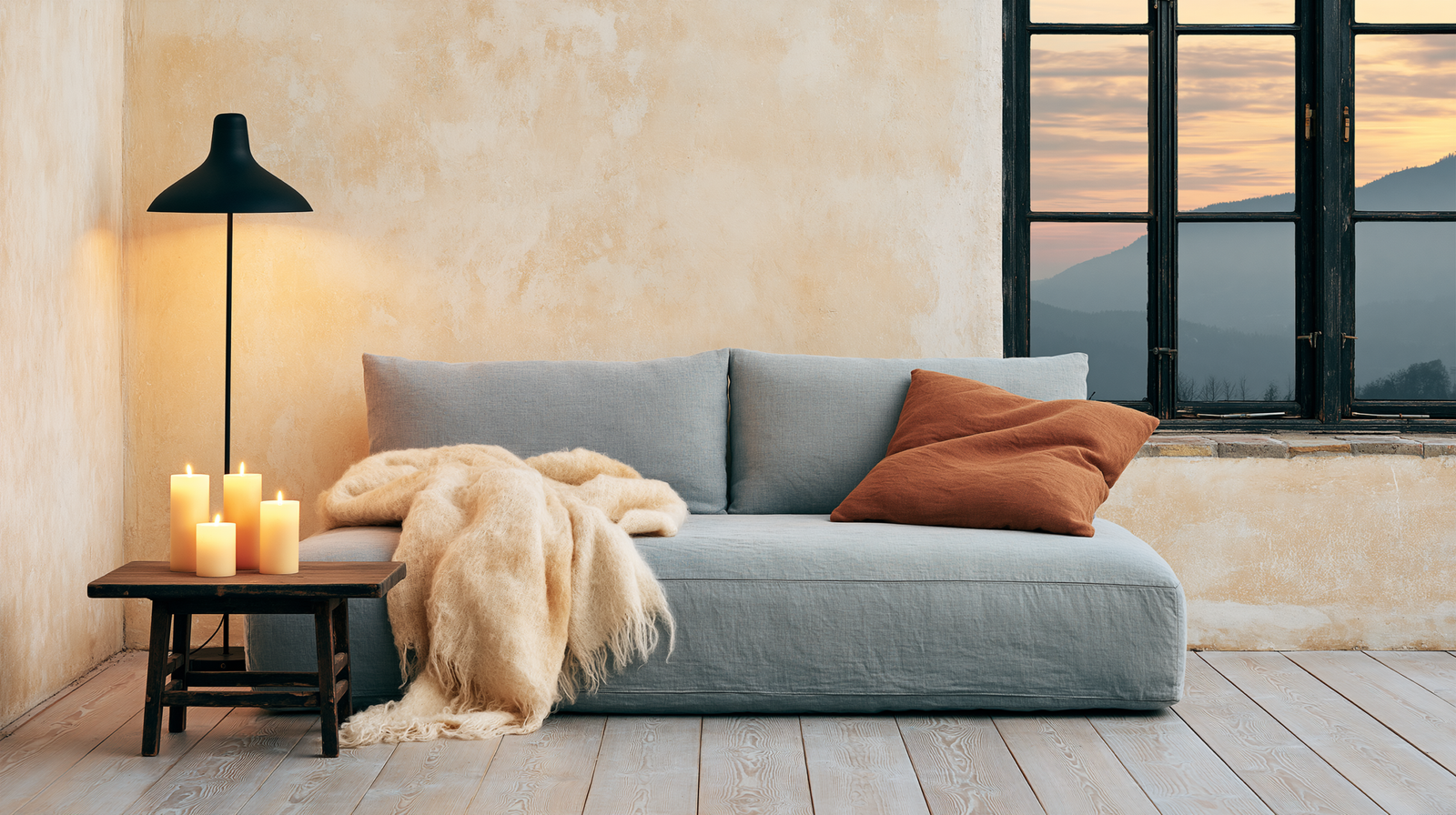
Outside, it is dark and cold. The kind of dark that arrives early and stays late, that presses against the windows with quiet insistence. But inside — inside is a different world. A candle burns on the table, its flame unhurried, casting a small circle of amber warmth across the wooden surface. A wool blanket is draped over the arm of a low sofa. Someone has made tea. The room is simple, almost spare, but it holds something that cannot be bought or styled into existence: a quality of deep ease, of the world outside mattering a little less, of this moment — this room, this warmth, this particular quality of gathered-in calm — being entirely enough.
In Denmark, this feeling has a name. It is called hygge, and it is one of the reasons Denmark consistently ranks among the happiest countries in the world — not despite its long, dark winters, but in some ways because of them. Hygge is the art of creating warmth in the most human sense: not just physical warmth, but the warmth of presence, of simplicity, of choosing to make ordinary moments matter.
For Warm Minimalism, hygge is not a decorating trend. It is a philosophy of inhabitation — one that teaches us how to make a spare, thoughtful space feel genuinely nurturing rather than austere.
The History of Hygge
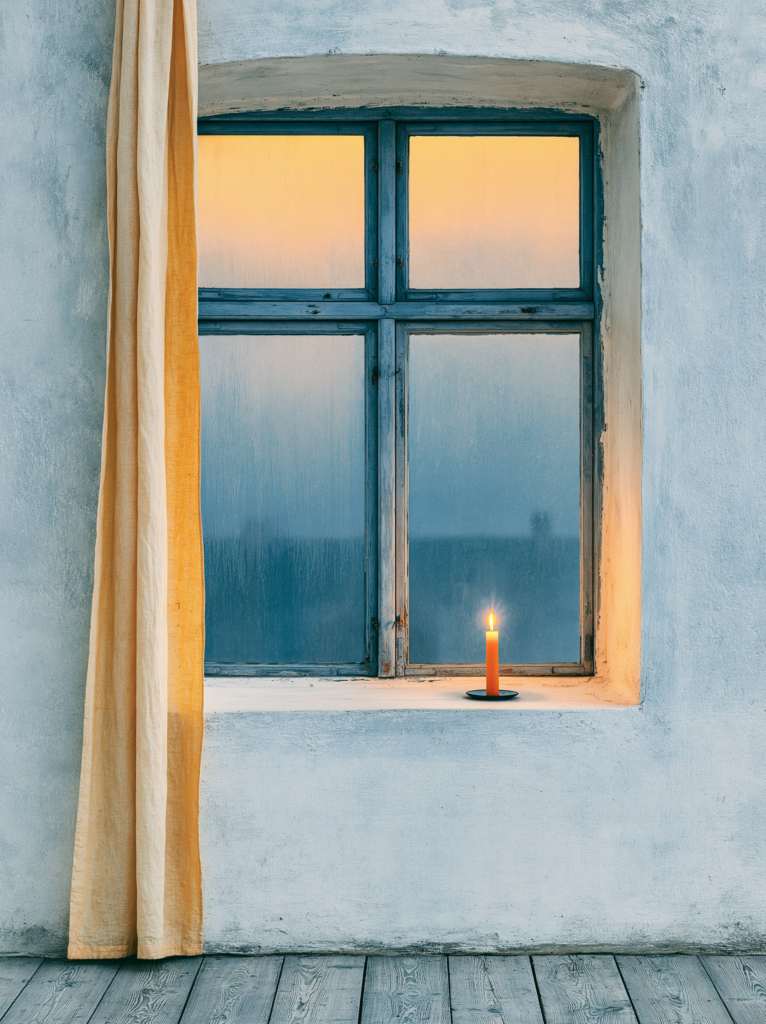
The word hygge is Danish, but its roots are older and wider. It derives from the Old Norse word hugga, meaning to comfort or console — the same root that gives us the English word “hug.” Its earliest uses in written Danish appear in the late 18th century, already carrying the sense of wellbeing and sheltered ease that the word holds today.
The concept emerged from necessity as much as philosophy. Scandinavia’s winters are long and genuinely dark — in Copenhagen, December days bring fewer than seven hours of daylight. For centuries, the response to this was not to push through or to ignore the darkness, but to turn toward it: to make the interior world as warm and generous as the exterior was cold and spare. Hygge was the cultural technology developed for surviving — and eventually thriving in — a climate that demanded interiority.
Norway has its own version, written the same way but pronounced differently, and the concept stretches across Scandinavian cultures in various forms. But it is Denmark that has most consciously cultivated hygge as a national value — something embedded in how people gather, how homes are arranged, how the hours of an evening are spent.
Internationally, hygge surged into cultural conversation around 2016, when a wave of books and articles introduced the concept to readers worn down by acceleration, overwork, and the particular joylessness of digital overwhelm. The timing was not coincidental. What hygge offered was simple and profound: permission to stop, to gather close, to find pleasure in small things. In an overstimulated world, it arrived like an exhale.
What Hygge Means
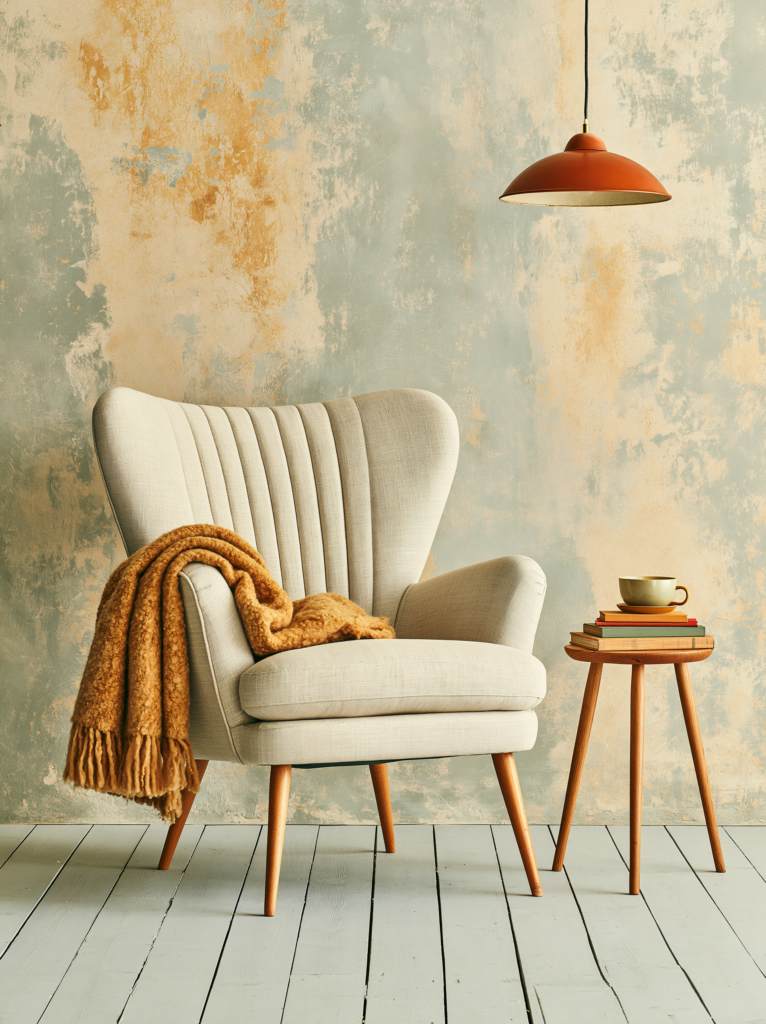
Hygge is notoriously difficult to translate precisely — a fact the Danes mention with quiet pride. It is not simply coziness, though coziness is part of it. It is not just togetherness, though togetherness often accompanies it. It is a quality of atmosphere and experience that arises when certain conditions are met: when the lighting is soft, when the company is easy, when there is no pressure to be anywhere else or to be anyone other than who you are.
“Hygge is about an atmosphere and an experience rather than about things. It is about being with the people we love. A feeling of home. A feeling that we are safe.”
— Meik Wiking, The Little Book of Hygge
Meik Wiking, CEO of the Happiness Research Institute in Copenhagen, has written extensively on hygge, and his formulation is useful: hygge is not a noun so much as a verb. It is something you do, something you create, something that happens between people and spaces when the conditions are right.
Those conditions tend to involve certain recurring elements — not as a checklist, but as a natural vocabulary.
🕯
Soft Light
Candles above everything else. The Danes burn more candles per capita than any nation on earth. Candlelight is biologically and psychologically different from overhead lighting — it signals safety, warmth, and the drawing-in of the day.
🧶
Tactile Warmth
Wool blankets, chunky knit throws, worn linen, natural sheepskin. Hygge engages the body — the pleasure of warmth held in fabric, of texture under the hand, of material comfort that is genuinely felt rather than merely seen.
☕
Simple Sustenance
A warm drink, something baked, shared food eaten without ceremony. Hygge has a deep relationship with the pleasure of eating together slowly, without occasion, as a form of care.
🌿
Presence
Phones away. The conversation unhurried. Hygge requires a quality of undivided attention — to the people in the room, to the warmth of the moment, to the particular flavor of this evening.
“The Danish word for happiness is lykke. But the word Danes most associate with a good life is hygge.”
— Helen Russell, The Year of Living Danishly
This distinction matters. Hygge is not happiness as peak experience — not elation, not achievement. It is happiness as settledness, as the quiet pleasure of a Tuesday evening well spent. It is the accumulation of ordinary warmth into something that genuinely sustains.
When did you last spend an evening without agenda — not watching, not scrolling, not producing — just gathered in, warm, present? What would it take to have one this week?
Hygge’s Relevance to Warm Minimalism
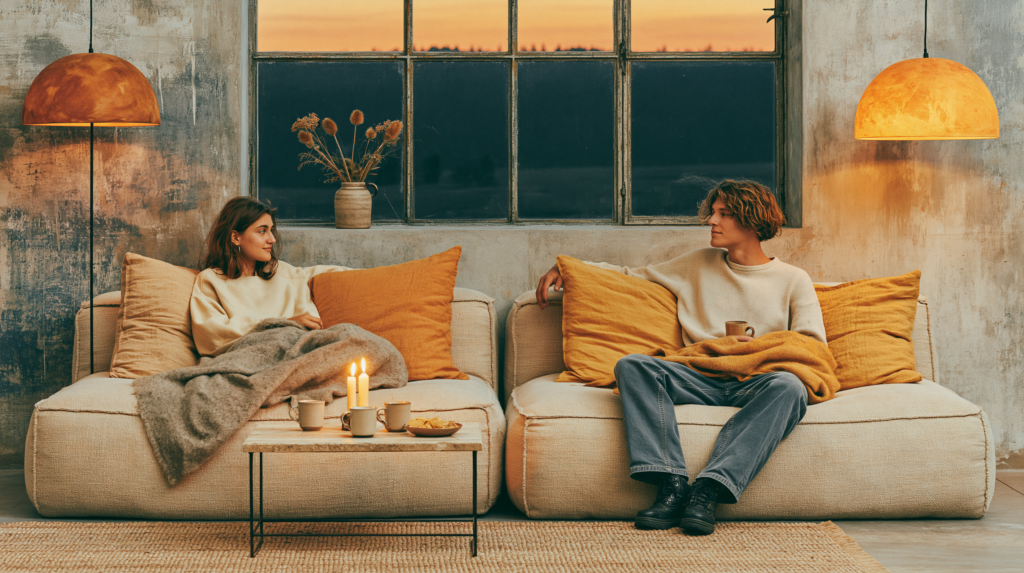
Minimalism, at its most honest, is not about deprivation. But it is susceptible to a particular failure: the room that is beautifully edited but somehow cold, that looks considered but does not feel inviting, that has removed so much that it no longer embraces the people inside it. Hygge is the corrective. It is the philosophy that ensures a spare space is also a warm one.
The relationship between the two is not a tension but a conversation. Warm Minimalism provides the structure — the edited space, the natural materials, the breathing room — and hygge provides the living warmth that fills it. One creates the vessel; the other the quality of what it holds.
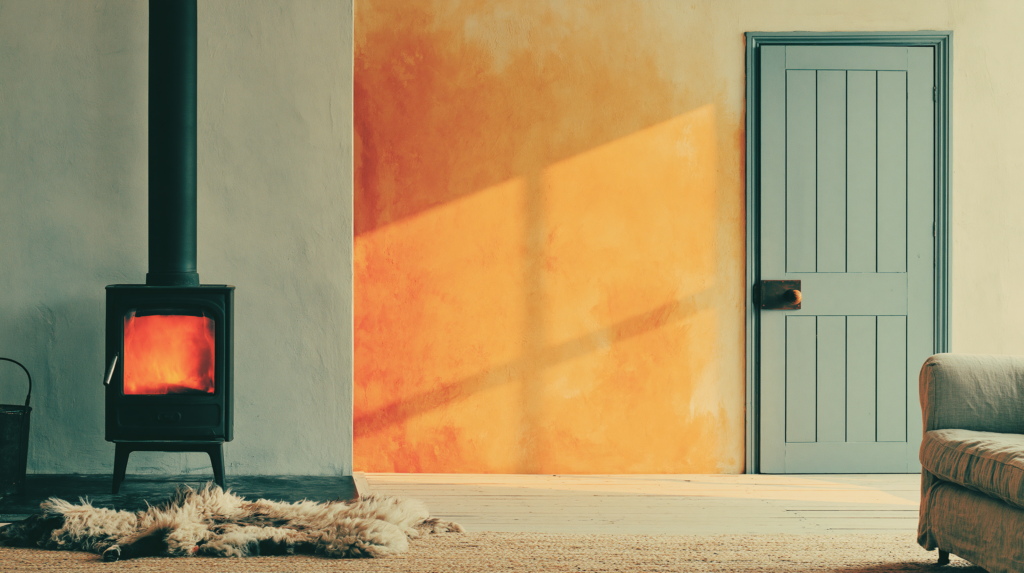
The most immediate and transformative hygge gesture in a minimal space is lighting. Overhead light — bright, even, shadowless — is the enemy of atmosphere. Replacing it with layered, low, warm-toned sources changes a room profoundly: table lamps set low, a cluster of candles on the mantelpiece or windowsill, a single pillar candle on the dining table. The shadows that result are not flaws — they are part of the warmth, the sense of enclosure, the signal that the day is done and the evening has arrived.
🕯
On Candlelight
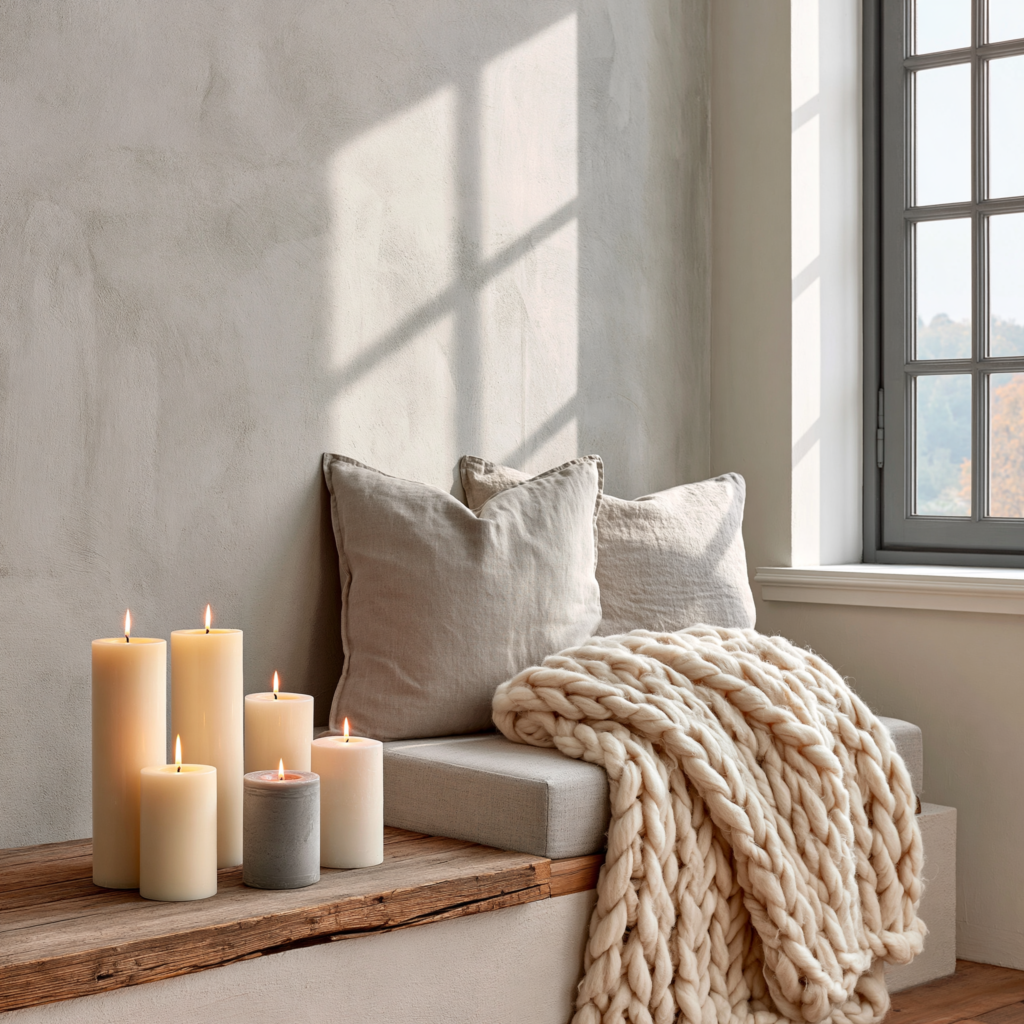
Danes burn an average of six kilograms of candle wax per person each year — more than any other nation. This is not an aesthetic affectation. Candlelight operates at a flicker frequency that the nervous system reads as safe and calming. It narrows the perceived boundaries of a space, creating an intimate pool of warmth within the room. In a minimal interior, a single candle can shift the entire emotional register of an evening.
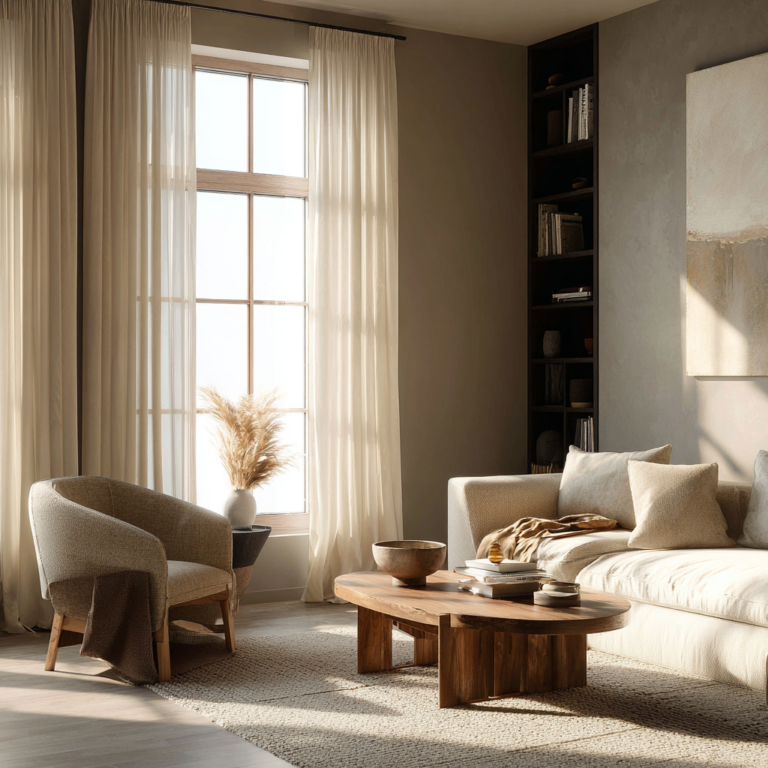
Textiles are the second great hygge contribution to Warm Minimalism. A carefully edited room — pale walls, natural wood, clean lines — comes alive when layered with texture: an undyed wool throw draped over the back of a sofa, a sheepskin on a reading chair, a woven rug underfoot that the toes genuinely enjoy. These additions do not create clutter; they create comfort. The key is restraint in number and intention in quality — a few things chosen for genuine sensory warmth rather than many chosen for visual variety.
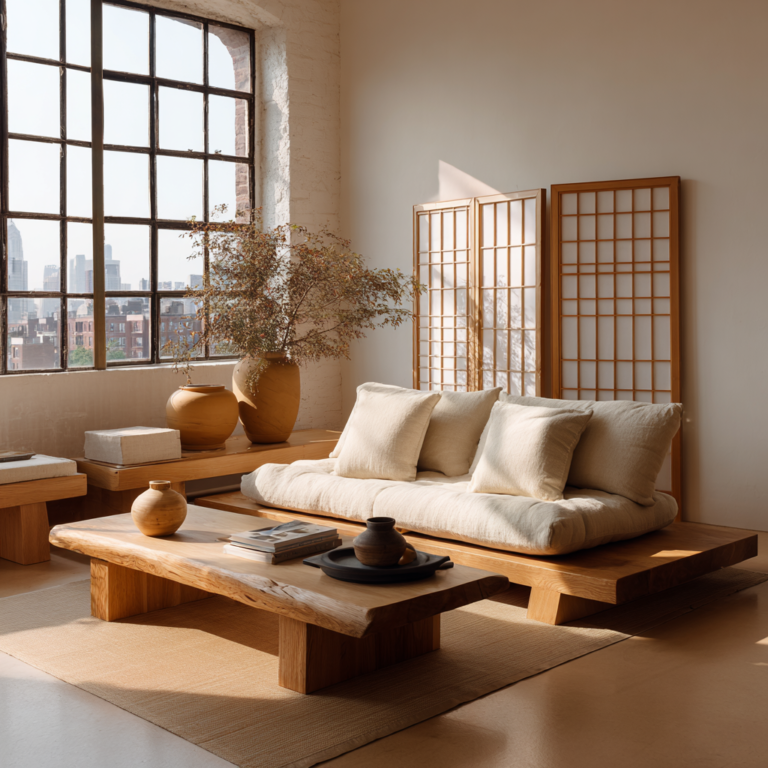
Hygge also reshapes how we think about the layout of a room. The most hygge arrangement is one that creates natural gathering — furniture oriented toward each other and toward a warm focal point rather than toward a screen. A sofa and two chairs around a low table. Cushions on the floor near the fire. A corner deliberately designed for one person to sit and read by lamplight. These are not grand gestures; they are quiet invitations, extended in advance, to slow down and stay.
The hygge approach to daily ritual is equally applicable. The morning that begins with something warm drunk slowly, before the phone. The evening that ends with candles lit and the overhead light turned off an hour before sleep. The Sunday that is kept deliberately unscheduled. These temporal acts of hygge cost almost nothing and return something substantial: the sense that your days have texture, that comfort is something you actively create rather than passively wait for.
Is there one room in your home that almost has hygge but not quite — that is comfortable but not yet truly enveloping? What is the one thing it is missing?
The Warmth That Stays
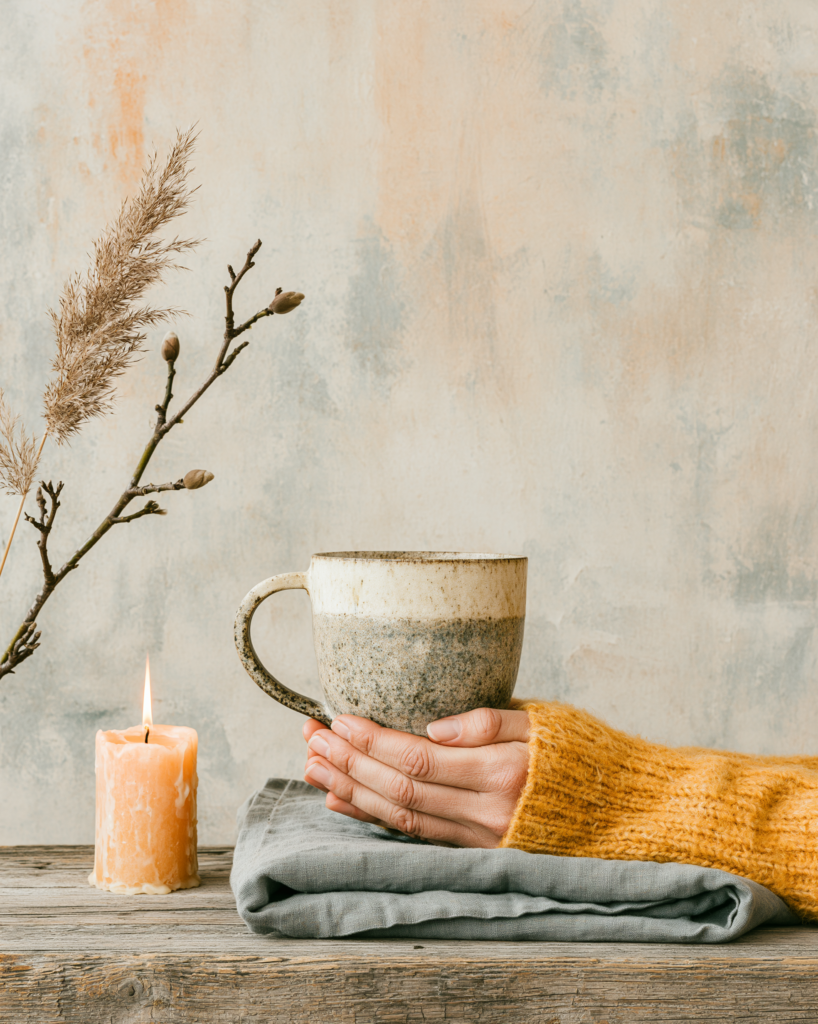
Hygge is sometimes dismissed as mere coziness — as a marketing concept, a candle-and-blanket aesthetic, something seasonal and soft. But this undersells what it actually offers: a coherent philosophy of everyday warmth, one that insists the quality of ordinary evenings matters, that comfort is not a luxury but a form of self-care, that the people and the spaces we return to each day deserve our deliberate attention.
In the context of Warm Minimalism, hygge does something essential: it ensures that in editing a space down to what matters, we do not accidentally edit out what feels good. It is the reminder that a home should not only look beautiful — it should feel like somewhere you genuinely want to be.
The Danes have spent centuries learning to find abundance in the depths of winter. What they discovered, and what hygge quietly teaches, is that warmth is not a condition of the weather. It is a practice. One that can be taken up anywhere, in any season, in any home that still has room for a candle and a good blanket and someone to share the evening with.
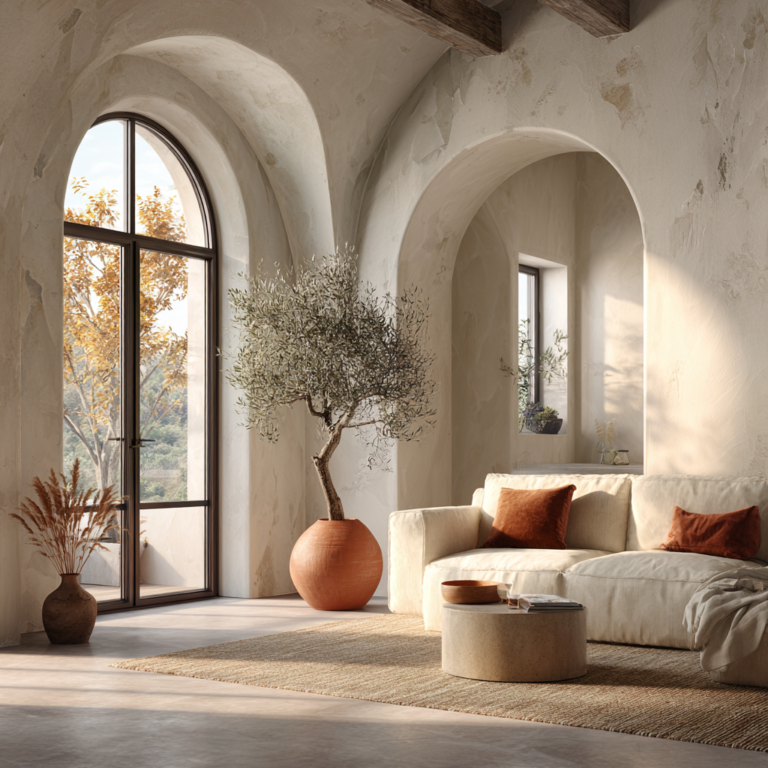
Four ways to bring hygge into your warm minimalist home
Join the Circle of Warmth
A quiet letter on warm, intentional living — delivered occasionally.