7 Signs You’re Ready for Warm Minimalism
There are moments when nothing is technically wrong with your home.
The furniture works.
The walls are painted.
The shelves are styled.
And yet — something feels slightly off.
Not dramatic. Not urgent. Just subtle.
You walk into the room and it looks fine. But you don’t quite exhale.
If you’ve been sensing that quiet mismatch, it may not be about buying something new. It may be about moving toward a different way of living inside your space.
Warm minimalism rarely begins with a design decision.
It begins with a feeling.
Below are seven quiet recognitions that often surface before the shift.
1. Your home looks good… but it doesn’t quite feel like you.
There’s nothing obviously wrong.
But something feels borrowed. Or curated for someone else’s eye.
The space is pleasant — but not deeply personal.
You find yourself wanting rooms that feel less styled and more lived in. Less performative and more aligned.
That longing is not about aesthetics.
It’s about belonging.
2. You crave calm — but not cold.
You’ve seen minimalist spaces.
You appreciate their clarity. Their restraint.
But you don’t want to live inside something stark.
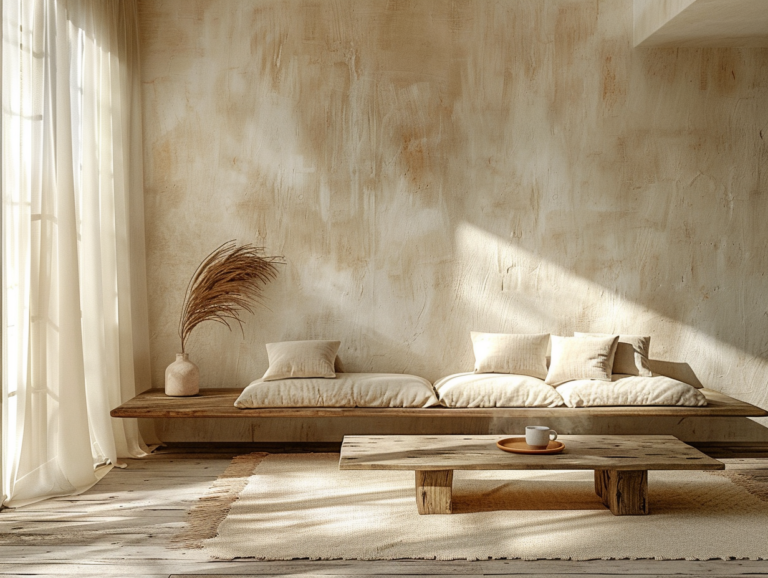
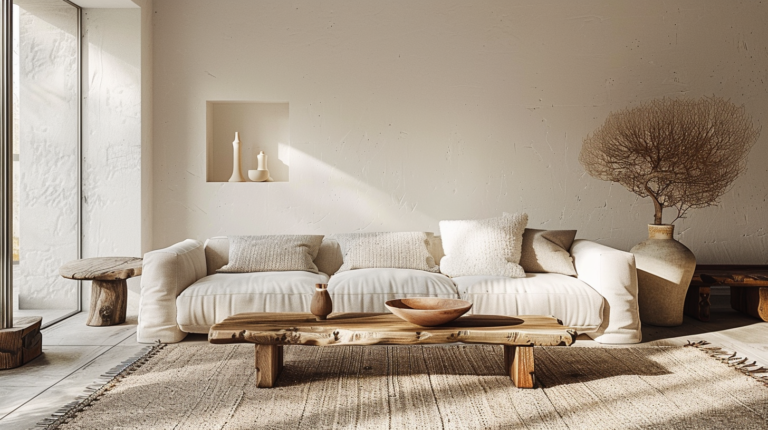
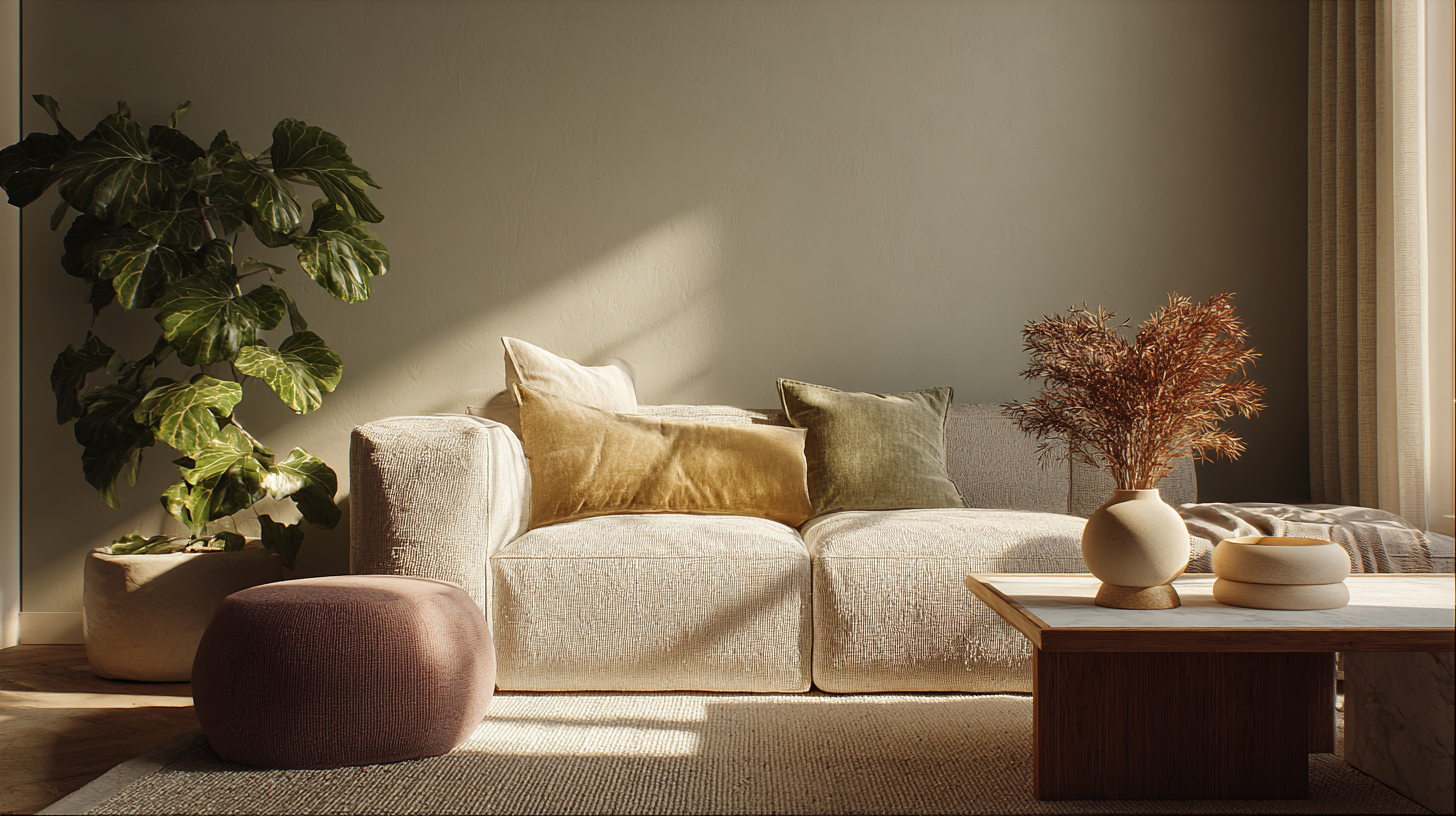
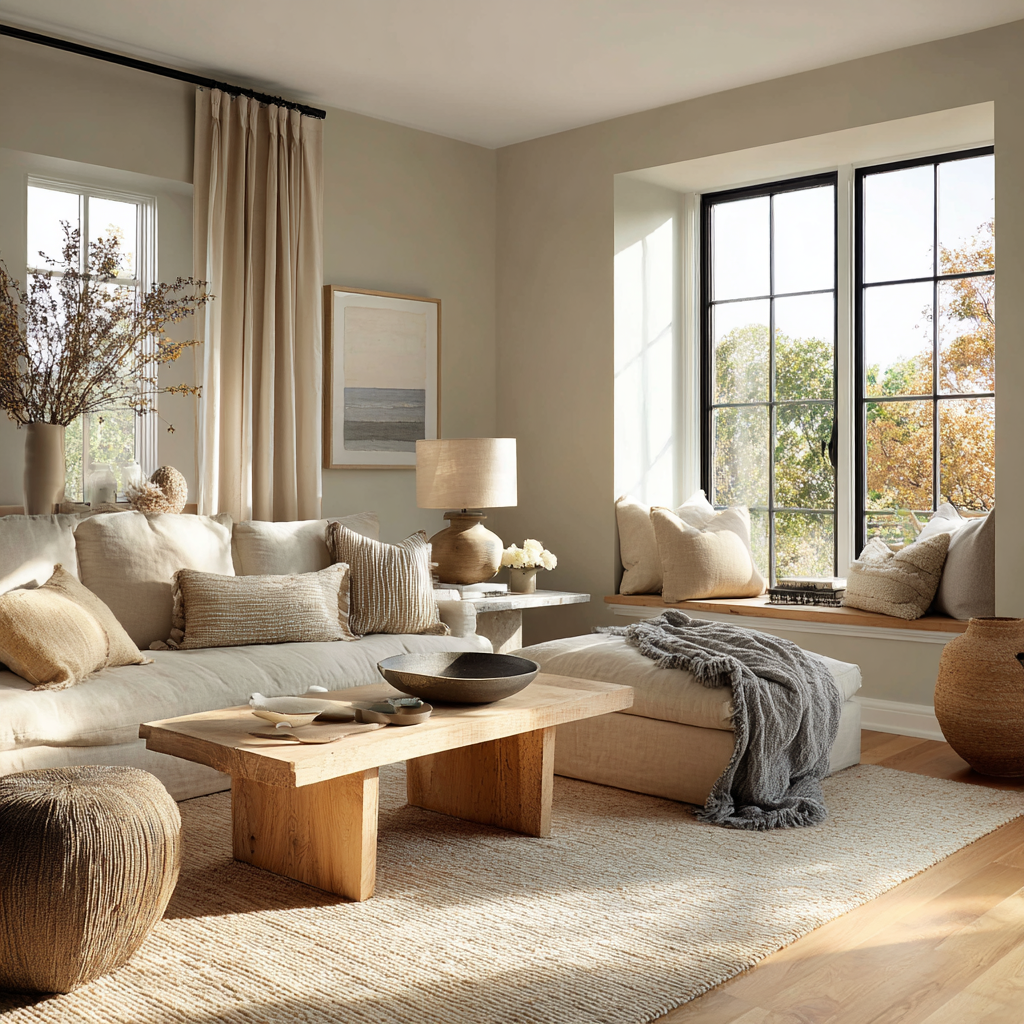
You want warmth. Texture. Light that moves gently across the walls.
You’re not looking for less.
You’re looking for softer.
3. You’re editing what enters your home.
You hesitate before purchasing.
You ask yourself:
Will this age well?
Will this still feel right next year?
Does it add something meaningful — or just something new?
You’re becoming more selective.
Not rigid. Not extreme. Just thoughtful.
That quiet editing is already the beginning of warm minimalism.
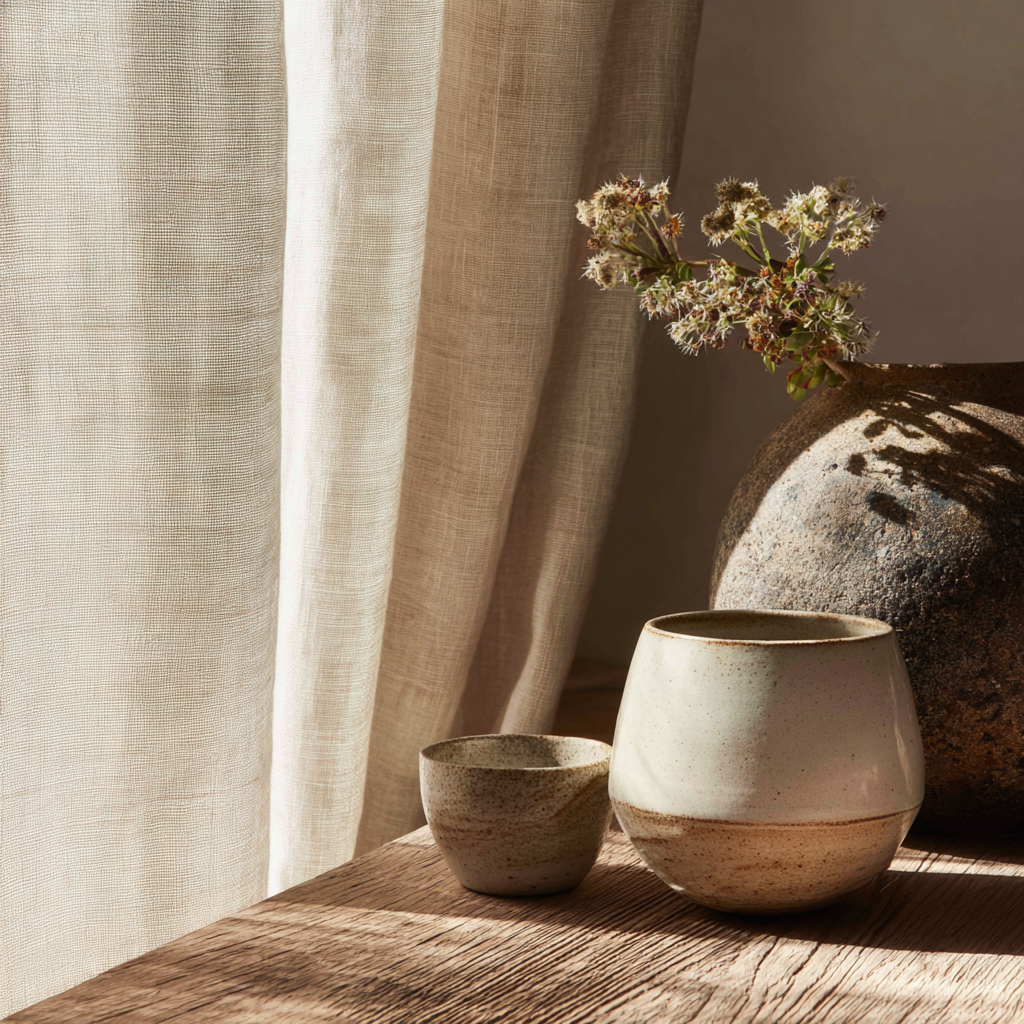
4. You’re drawn to natural materials — without fully knowing why.
Linen instead of synthetics.
Wood instead of lacquer.
Clay instead of gloss.
You don’t necessarily have the language for it.
But your body seems to respond.
Warm minimalism honors that instinct. It trusts that materials carry emotional weight — and that your nervous system already knows the difference.
5. Certain spaces make your shoulders drop.
You’ve walked into rooms — maybe a friend’s home, a small café, a quiet boutique — and felt it instantly.
Your breath slows.
Your posture softens.
Nothing flashy is happening.
But something feels steady.
That response is information.
Warm minimalism pays attention to it.
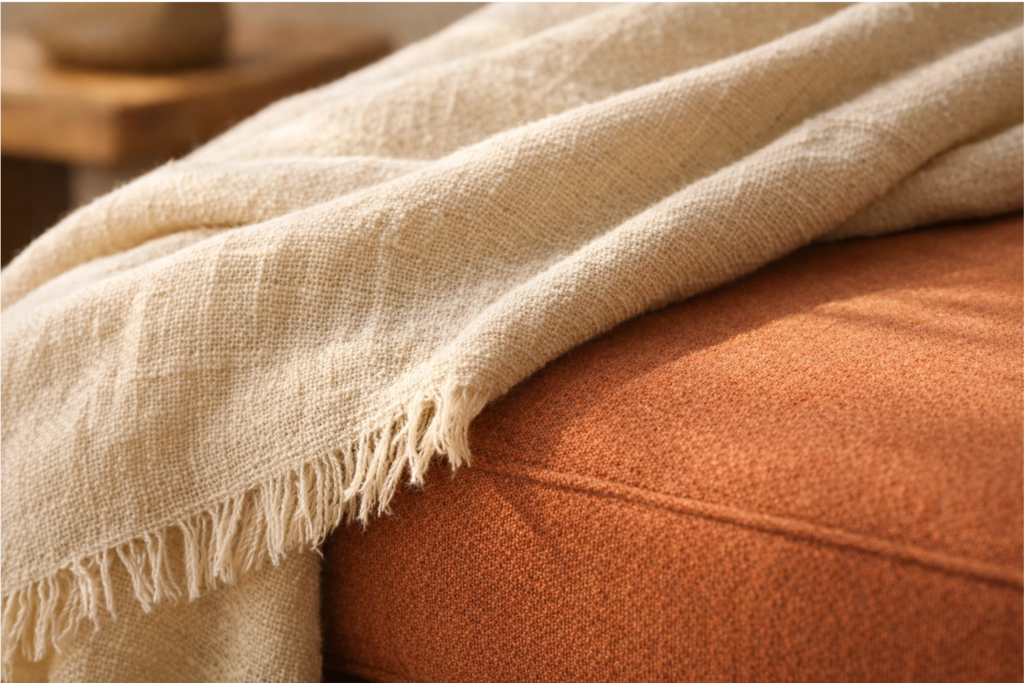
6. You want beauty without excess.
Not clutter.
Not austerity.
Something in between.
You want a room that feels considered — but not controlled. Composed — but not curated for approval.
You’re no longer designing to impress.
You’re designing to live.
7. You’re less interested in trends — and more interested in how your home feels.
You still appreciate beauty.
But the question has shifted.
Instead of asking, Is this current?
You ask, Does this support me?
That shift changes everything.
Because once your home becomes a place that supports your nervous system, your routines, and your sense of self — style becomes secondary.
And feeling becomes central.
If You Recognized Yourself Here
Warm minimalism is not a dramatic overhaul.
It is often a quiet recalibration.
Fewer visual interruptions.
More breathable space.
Materials that age with you.
Light that feels intentional.
If these recognitions felt familiar, you may already be moving toward it — not as a trend, but as a way of living more comfortably inside your own home.
And the next step isn’t urgency.
It’s noticing.
Join the Circle of Warmth
A quiet letter on warm, intentional living — delivered occasionally.