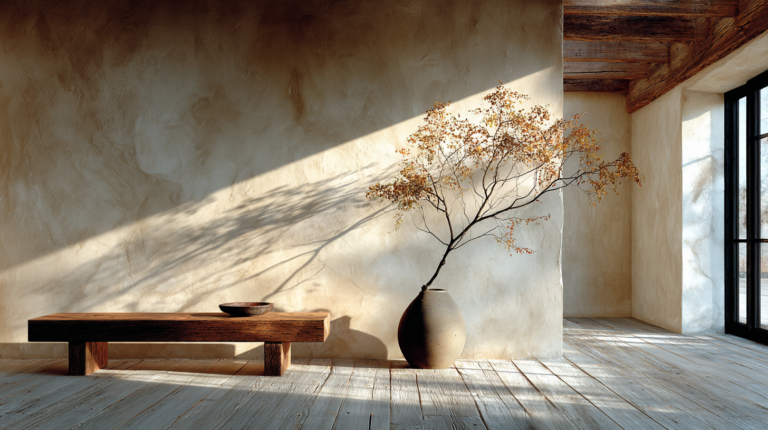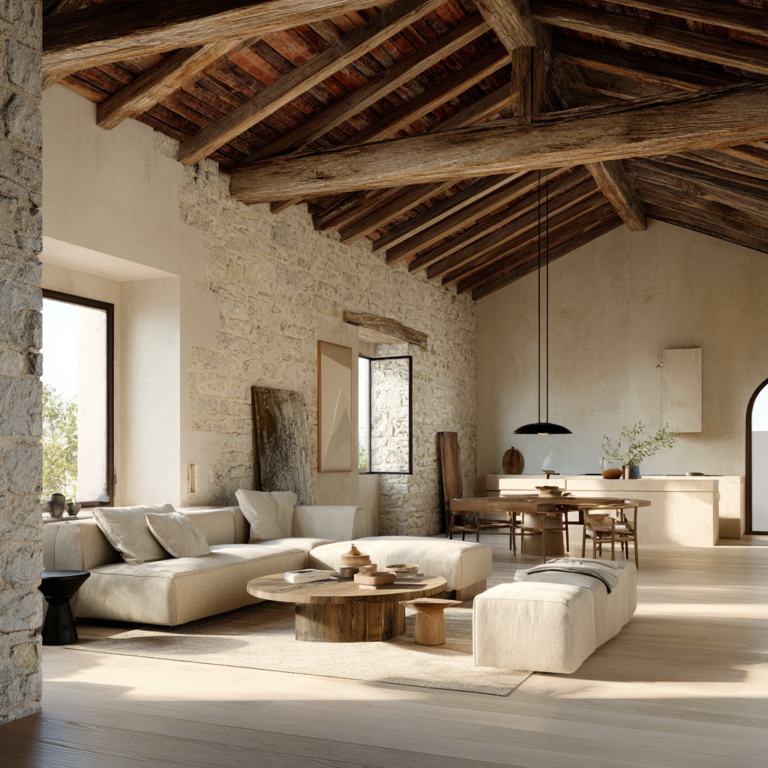
A Complete Guide to Scandinavian Design for Calm, Intentional Living
Timeless Nordic Simplicity
In a world increasingly drawn to simplicity, connection, and purposeful living, Scandinavian design has emerged as more than just an aesthetic trend—it’s a philosophy of life.
Originating from the Nordic countries of Denmark, Sweden, Norway, Finland, and Iceland, this design movement is characterized by a harmonious balance of functionality, simplicity, and a profound connection to nature and light.
Born from mid-20th century modernism and shaped by harsh Nordic winters and democratic design principles, Scandinavian style has evolved into a global phenomenon that speaks to our deepest human needs for comfort, clarity, and meaningful spaces.
What makes Scandinavian design particularly compelling today is its remarkable alignment with warm minimalism and intentional living.
In an era where we’re bombarded with excess and distraction, the Nordic approach offers a refreshing antidote: spaces that are uncluttered yet welcoming, minimal yet rich with warmth, simple yet deeply nourishing to the soul.
This is not the cold, sterile minimalism of stark white rooms and empty surfaces, but rather a thoughtful curation of essential elements that bring joy, function, and beauty into daily life.
At the heart of Scandinavian design lies the concept of hygge (pronounced “hoo-gah”)—the Danish and Norwegian word for a sense of cozy togetherness, contentment, and finding joy in life’s simple pleasures.
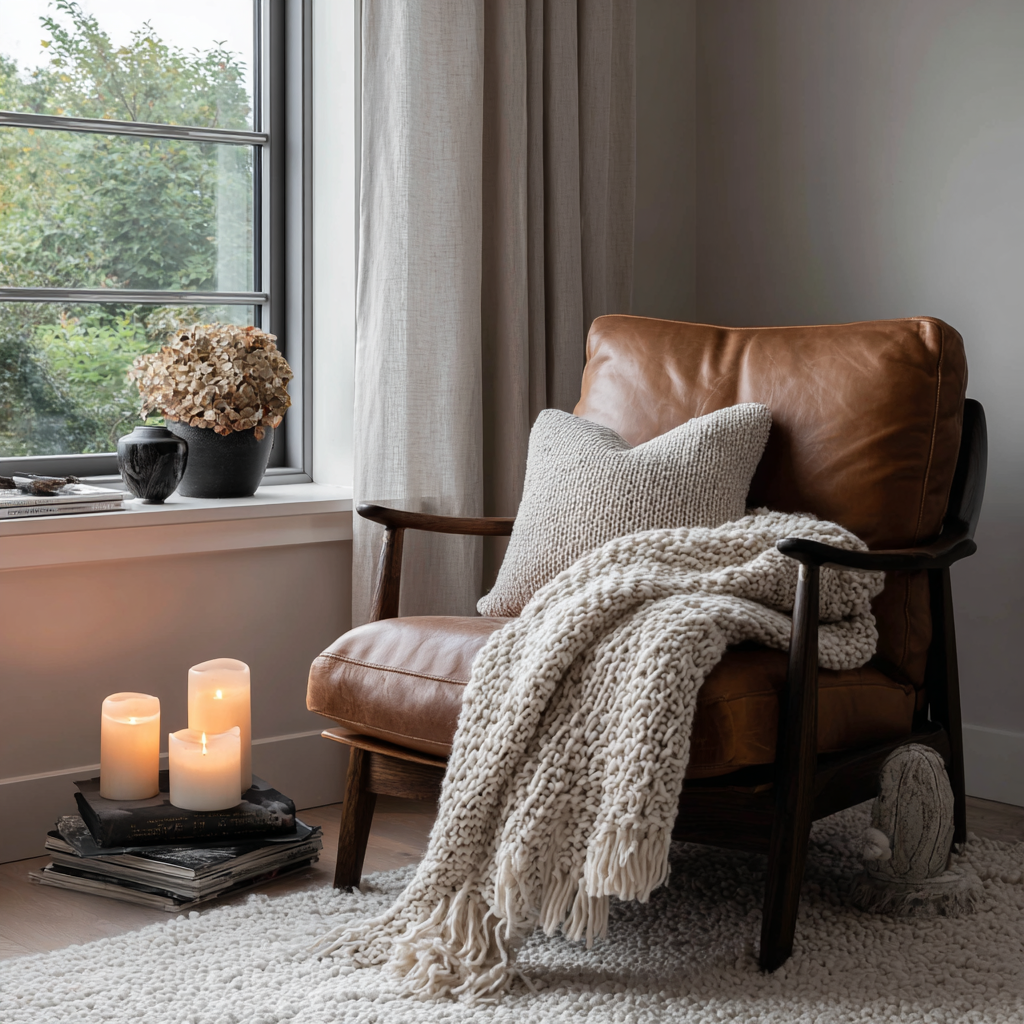
Whether it’s the soft glow of candlelight on a winter evening, the warmth of a wool throw draped over a chair, or the ritual of sharing a home-cooked meal with loved ones, hygge transforms ordinary moments into sources of deep satisfaction.
This philosophy extends beyond decoration to encompass how we inhabit our spaces, encouraging us to create environments that nurture well-being, foster connection, and celebrate the beauty in everyday simplicity.
The rise of Scandinavian design coincided with the post-World War II era when Nordic countries faced economic challenges and embraced social democratic ideals that prioritized accessible, functional design for all—not just the wealthy elite.
This “democratic design” ethos, combined with the region’s challenging climate that demanded maximum light reflection during long, dark winters, gave birth to a style that is both pragmatic and poetic.
Today, as we increasingly seek sustainable, mindful approaches to living that honor both our personal well-being and planetary health, Scandinavian design offers a proven blueprint for creating homes that are light-filled sanctuaries of intentional beauty.
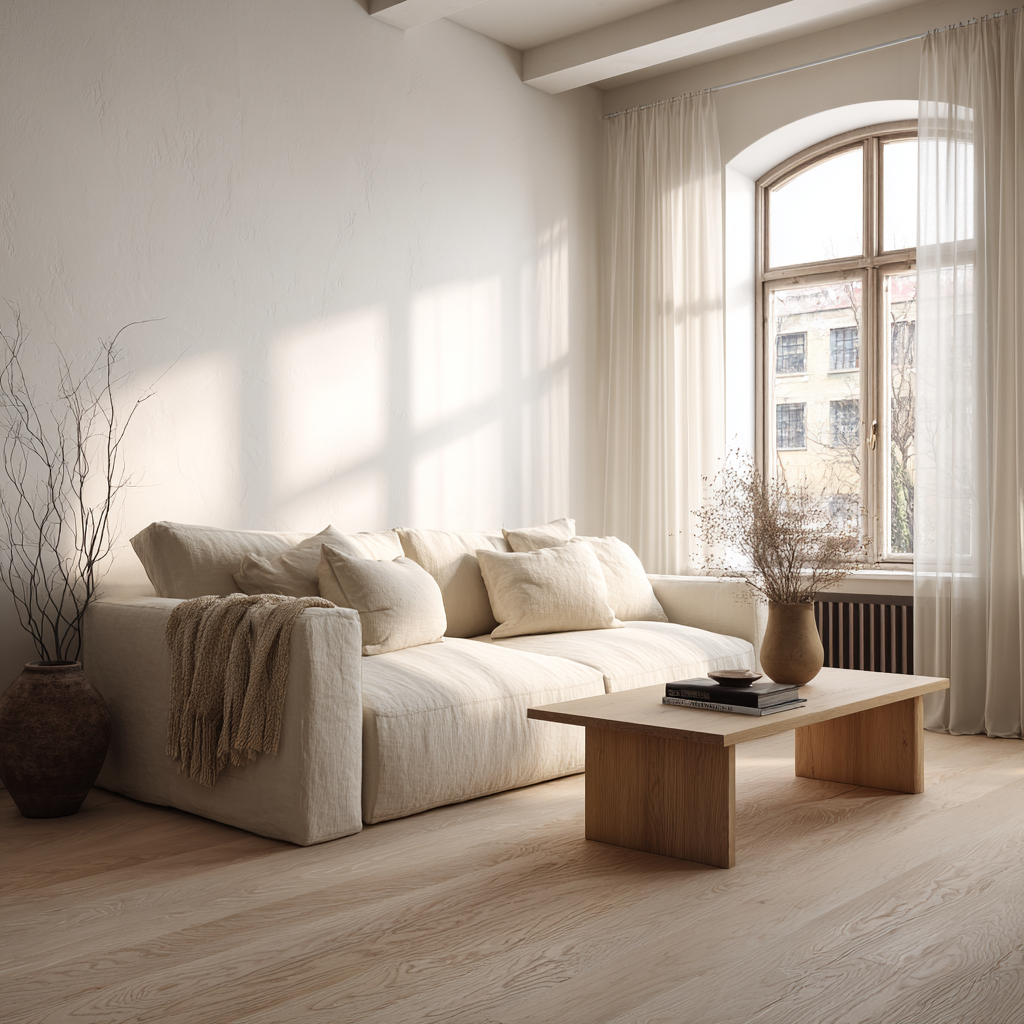
How Scandinavian Design Embodies Warm Minimalism and Intentional Living
Scandinavian design represents the perfect marriage of warm minimalism and intentional living, creating spaces that feel simultaneously expansive and embracing.
The synergy lies in how Nordic aesthetics soften minimalism’s sometimes austere edges with layers of warmth—both literal and emotional.
Where traditional minimalism might feel clinical or cold, Scandinavian design introduces hygge’s emphasis on coziness, comfort, and contentment, transforming clean lines and open spaces into nurturing, harmonious environments that invite you to linger, relax, and truly live.
This warmth manifests in multiple dimensions.
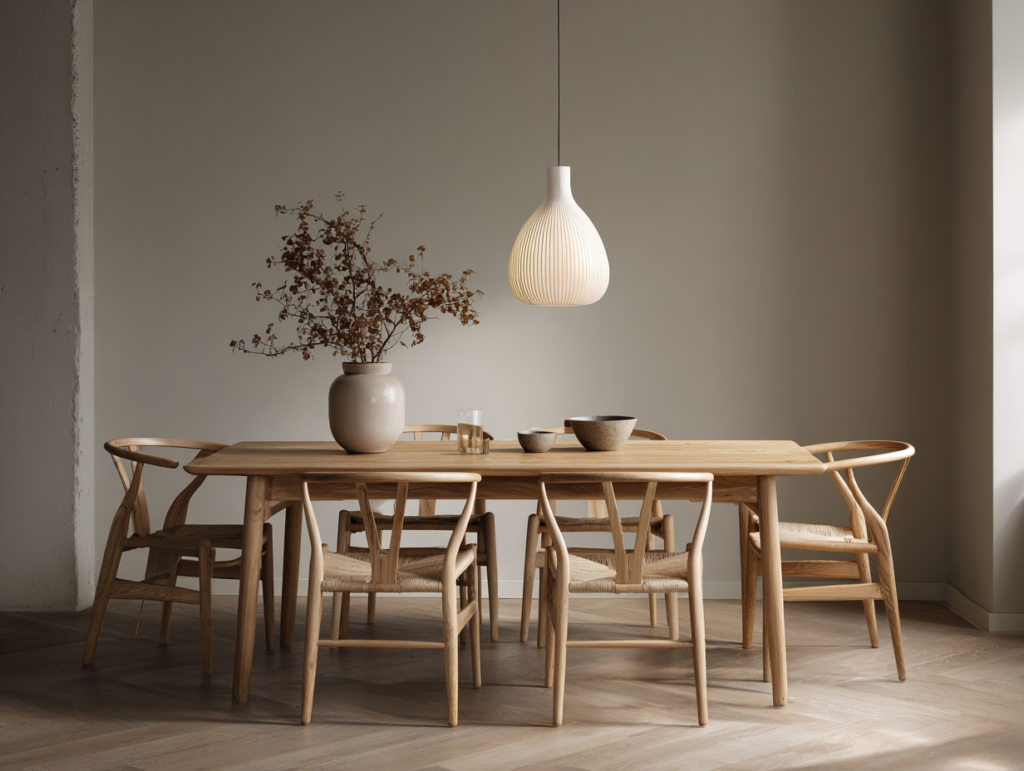
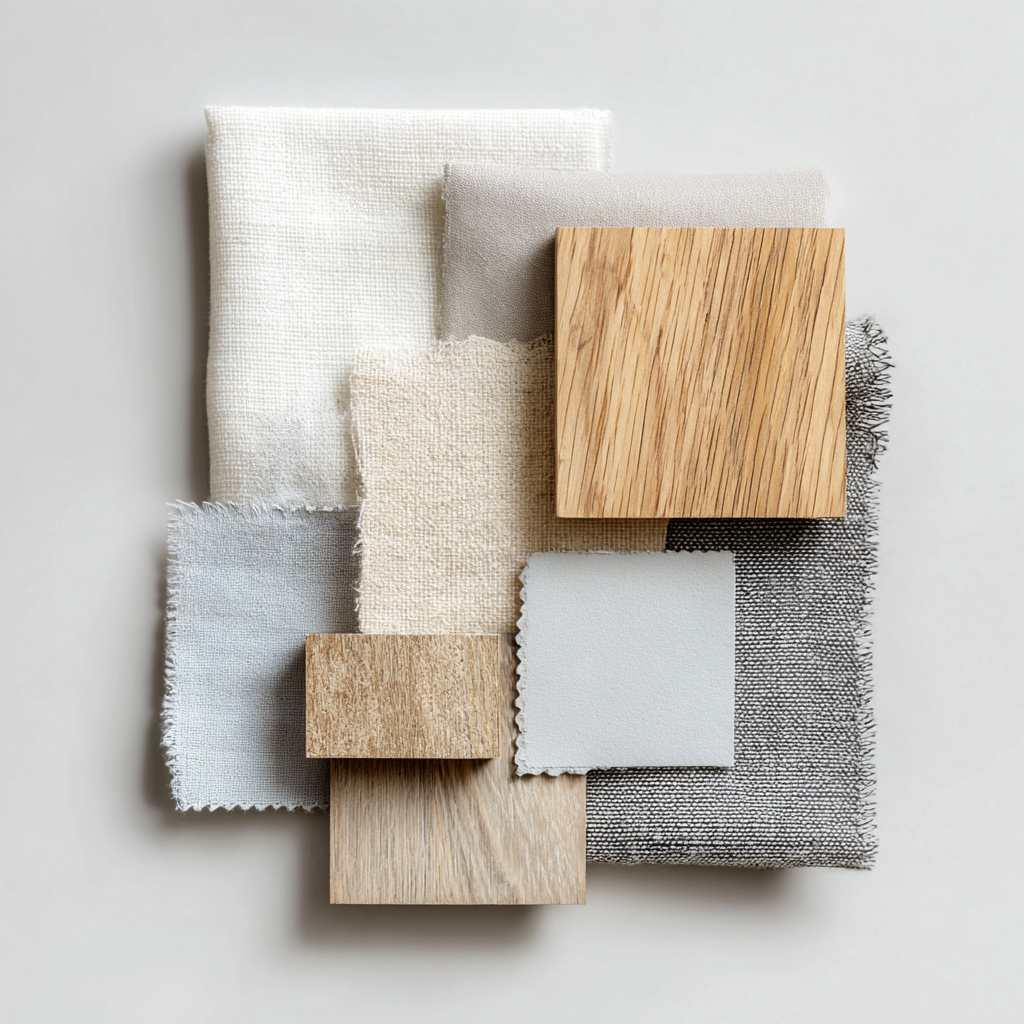
Tactile warmth comes from natural materials—the smooth grain of oak furniture, the soft embrace of wool textiles, the organic texture of linen curtains.
Visual warmth emerges from the carefully calibrated color palette of soft whites, warm beiges, and gentle earth tones that reflect and amplify precious Nordic light.
Emotional warmth flows from the philosophy of intentional living: every object in a Scandinavian home is chosen with purpose, selected not just for its function but for the joy and meaning it brings to daily rituals.
Intentional living, a core tenet of both Scandinavian design and warm minimalism, emphasizes mindful choices that prioritize well-being, sustainability, and genuine happiness over accumulation.
This approach encourages the purposeful selection of durable, multifunctional pieces that will serve you for years rather than seasons.
A beautifully crafted dining table becomes the gathering place for morning coffee and evening dinners, a heritage piece passed down through generations.
A thoughtfully designed chair offers ergonomic support for working hours and comfortable relaxation for reading evenings.
Each element earns its place through utility and beauty in equal measure.
Sustainability and Cultural Foundations
Sustainability forms another crucial pillar connecting Scandinavian design with intentional living.
Nordic cultures have long embraced the concept of “friluftsliv”—open-air living—reflecting a deep respect for nature and environmental stewardship.
This reverence translates into design choices that favor locally sourced, renewable materials, energy-efficient layouts that maximize natural light, and a “buy less, choose well” philosophy that reduces waste.
The Norwegian concept of “koselig” and Swedish “lagom” (meaning “not too much, not too little—just right”) further reinforce this balanced approach to consumption and living.
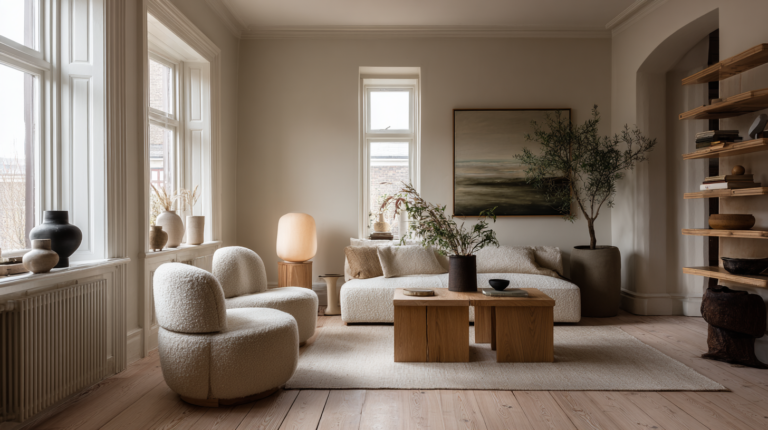
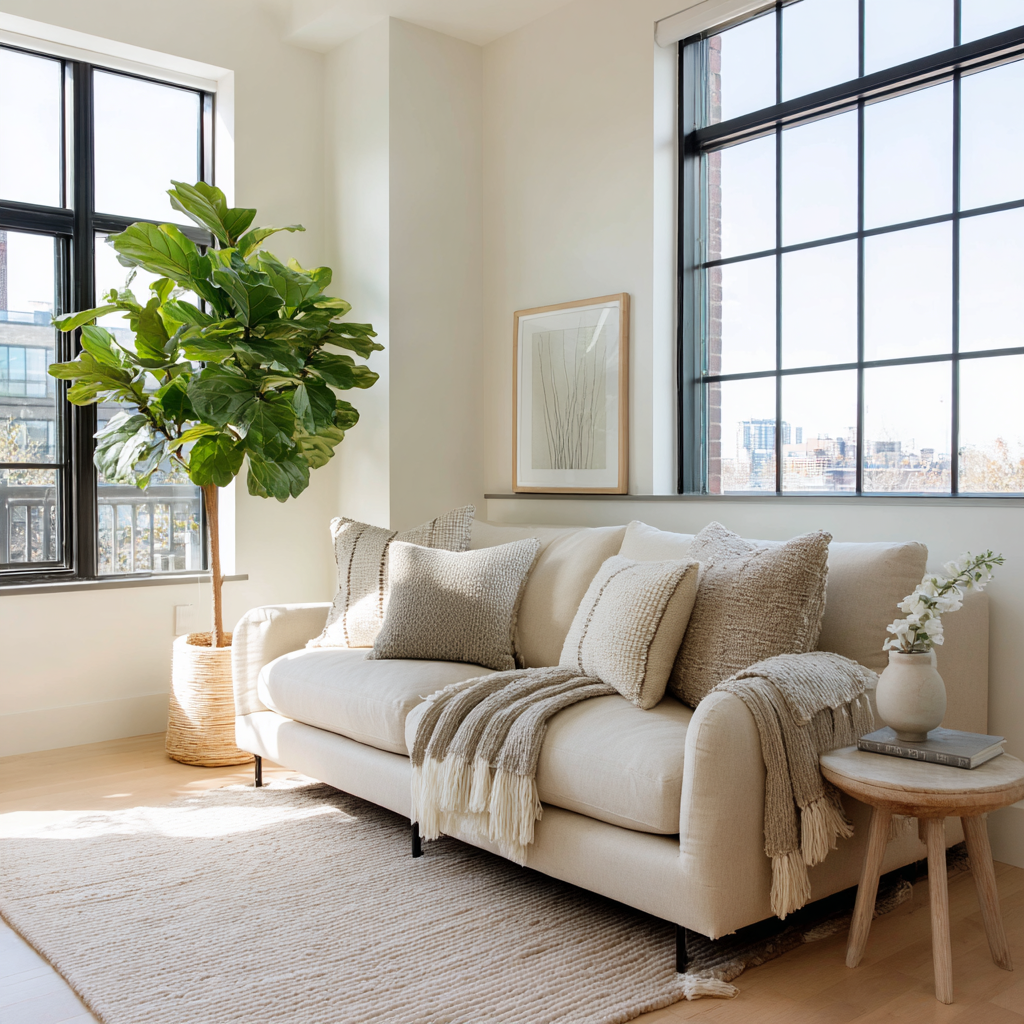
Consider the example of a typical urban Scandinavian apartment in Copenhagen or Stockholm:
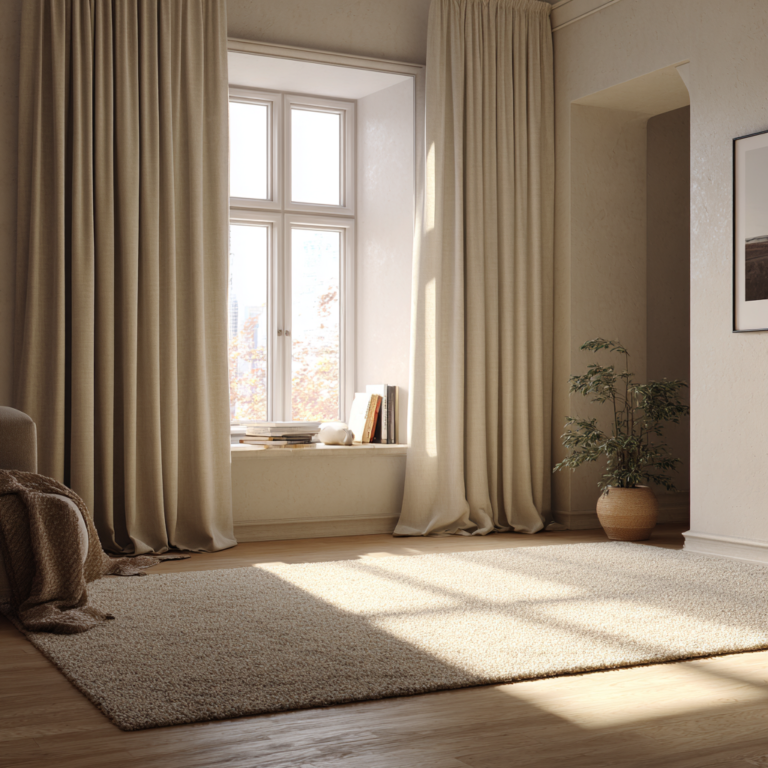
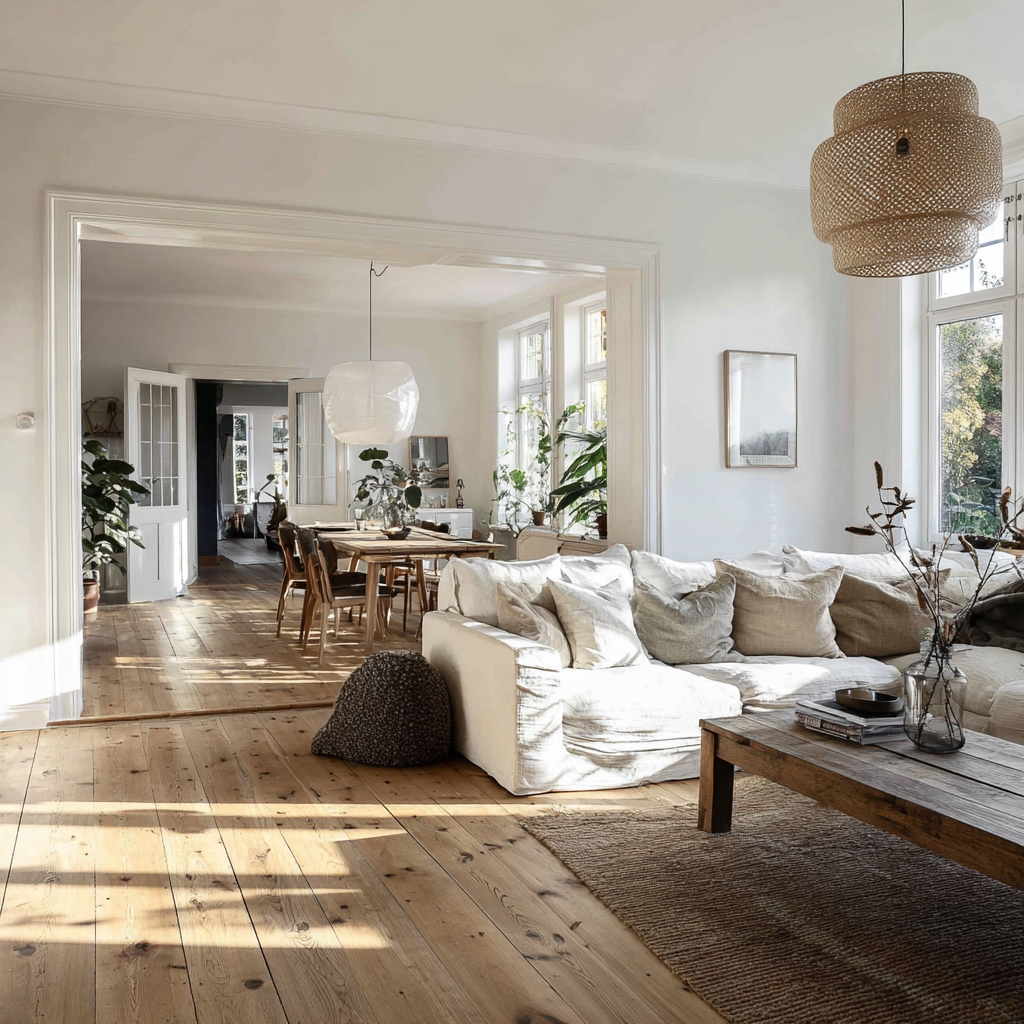
Natural light floods through large, unobstructed windows—a precious commodity during winter months when daylight is fleeting.
Walls painted in warm white reflect this light throughout the space, creating an airy openness that makes even modest square footage feel generous.
Light wood flooring in oak or birch adds organic warmth underfoot.
A streamlined sofa in neutral linen anchors the living area, layered with knitted throws and sheepskin pillows that invite tactile comfort.
A cluster of candles on a simple wooden coffee table creates hygge’s essential soft, flickering light.
Potted plants—perhaps a fiddle leaf fig or collection of succulents—bring living green energy indoors, connecting inhabitants to the natural world even in the heart of the city.
Similarly, Nordic summer cabins exemplify warm minimalism through their pared-back simplicity and profound connection to landscape.
These retreats strip away excess while retaining everything essential for joy and comfort:
• a wood-burning stove for warmth and cooking
• simple wooden furniture built to last
• large windows framing forest or water views
• outdoor spaces for communal meals under the midnight sun
These spaces foster mindfulness through their very restraint, encouraging inhabitants to focus on experience over possession, presence over distraction, and connection—to nature, to loved ones, to oneself—over consumption.
Practical Tips for Incorporating Scandinavian Design into Your Home
Bringing Scandinavian design into your space doesn’t require a complete overhaul or significant investment. Start with these foundational strategies tailored to warm minimalism and intentional living:
Maximize Natural Light
Begin by removing heavy curtains or window treatments that block light.
Paint walls in soft whites or warm neutrals to reflect available daylight.
Position mirrors strategically to bounce light deeper into rooms.
Keep windows clean and unobstructed.
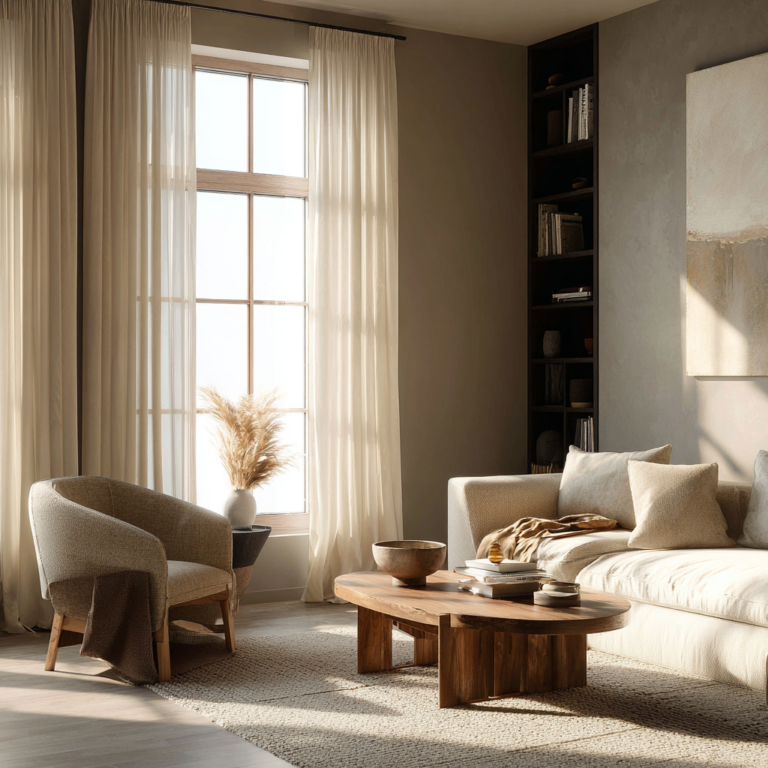
If privacy is needed, opt for sheer linen curtains or simple roller blinds that can be fully raised during the day.
Declutter with Intention
Edit your possessions thoughtfully, keeping only items that serve a purpose or bring genuine joy—a principle aligned with both hygge and intentional living.
Invest in smart storage solutions that hide visual clutter: closed cabinets, beautiful baskets, under-bed storage boxes.
Display select meaningful objects rather than crowding surfaces.
Remember the Swedish concept of “lagom”—not too much, not too little, just right.
Choose Quality Over Quantity
Rather than filling rooms with many inexpensive pieces, select fewer high-quality items in natural materials that will endure.
A well-crafted oak dining table, a comfortable wool rug, a durable linen sofa—these investments pay dividends in longevity, sustainability, and daily enjoyment.
Source ethically when possible, supporting craftspeople and sustainable production methods.
Embrace Hygge Elements
Add layers of soft textiles: throw blankets in wool or cotton, linen pillow covers, a sheepskin rug.
Invest in various lighting sources—table lamps, floor lamps, candles—to create warm, adjustable ambiance.
Create a dedicated cozy corner for reading or relaxation.
Stock up on unscented or naturally scented candles to enjoy their soft glow.
Bring Nature Indoors
Add a few carefully chosen plants appropriate to your light conditions and maintenance ability.
Incorporate wooden elements through furniture, cutting boards, decorative objects, or wall art.
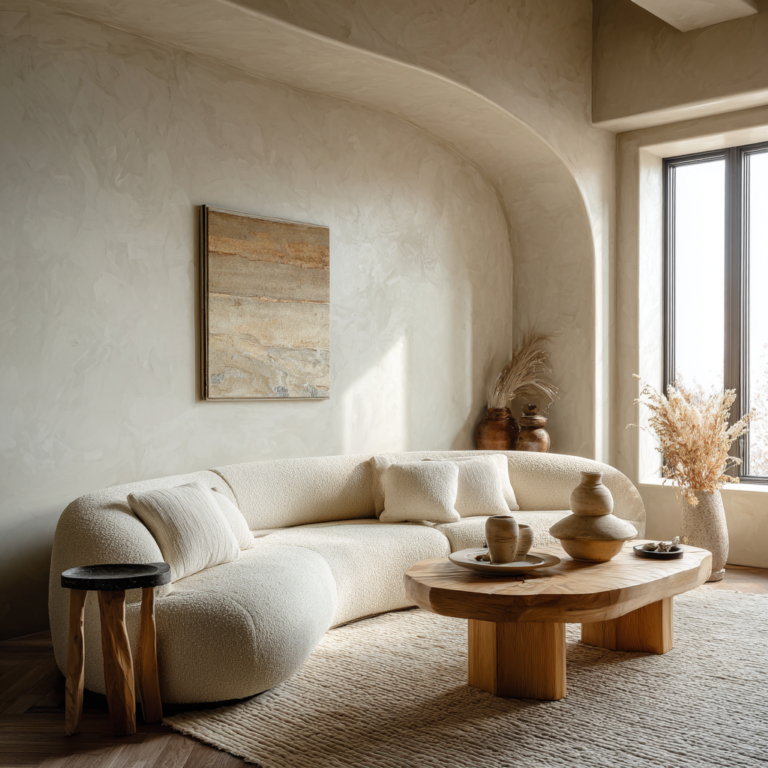
Display natural materials like stones, driftwood, or ceramic vessels.
Open windows when weather permits to enjoy fresh air and connect with outdoor sounds and scents.
Adapt by Room
Living Room
Focus on comfortable seating, soft textiles, and creating conversation areas.
Kitchen
Incorporate wooden utensils, simple ceramics, and perhaps an herb garden on a sunny windowsill.
Bedroom
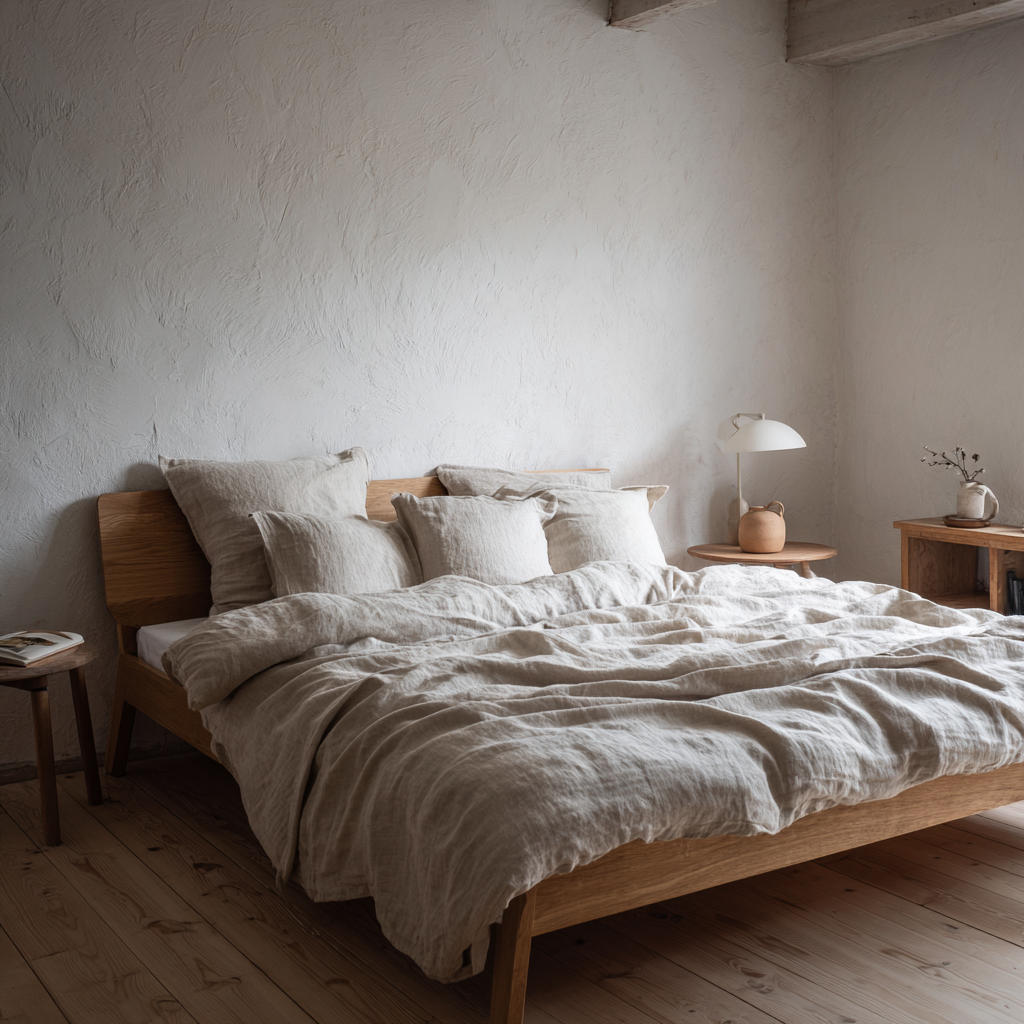
Prioritize comfort with quality bedding, blackout options for Nordic-length summer days, and minimal technology.
Bathroom
Use natural materials like wood accents, stone surfaces, and plush towels in neutral tones.
Color and Texture Thoughtfully
Build from a neutral base, then add one or two accent colors through easily changeable elements like textiles or artwork.
Layer different textures—smooth and rough, soft and firm—to create tactile interest.
Let natural materials provide visual variety through their inherent grain, weave, and finish.
Embracing Nordic Wisdom for Balanced, Intentional Living
Scandinavian design offers far more than aesthetic appeal—it provides a roadmap for cultivating a balanced, intentional lifestyle rooted in centuries of Nordic wisdom.
By prioritizing functionality over ostentation, quality over quantity, and presence over accumulation, this approach to home design becomes a daily practice in mindfulness and well-being.
The simplicity isn’t about deprivation; it’s about liberation from excess and distraction.
Creating space—physically and mentally—for what truly matters:
connection to loved ones,
engagement with meaningful work,
appreciation of beauty,
and harmony with the natural world.
As you incorporate Scandinavian principles into your home, you’re not just following a design trend—you’re joining a global movement toward more sustainable, thoughtful, and human-centered living.
The hygge-infused warmth of this style reminds us that minimalism needn’t be cold, that simplicity can be rich, and that the most profound luxury lies not in having everything but in having exactly what nourishes your life and nothing that doesn’t.
For those inspired by Scandinavian design’s blend of Nordic simplicity and warm minimalism, explore other complementary styles featured on warmminimalism.com:
- Japandi Design merges Scandinavian functionality with Japanese wabi-sabi aesthetics for even deeper tranquility.
- Organic Modern Design shares the emphasis on natural materials and biophilic connection while incorporating contemporary elements.
- Modern Mediterranean Design brings similar warmth through a different cultural lens, with sun-drenched textures and earthy palettes.
- Rustic Modern Design combines Scandinavian clean lines with reclaimed materials and artisanal character.
- Desert Modern Design echoes the light-filled openness and natural material focus in a warm-climate context.
Each of these styles, like Scandinavian design itself, embodies the core principles of warm minimalism and intentional living—creating spaces that are both beautiful and meaningful, functional and soul-nourishing, minimal and wonderfully, warmly human.
Join the Circle of Warmth
A quiet letter on warm, intentional living — delivered occasionally.