Mindfulness: The Heart of Warm Minimalism
On paying attention — gently, fully, and without reserve — to the life you are already living.
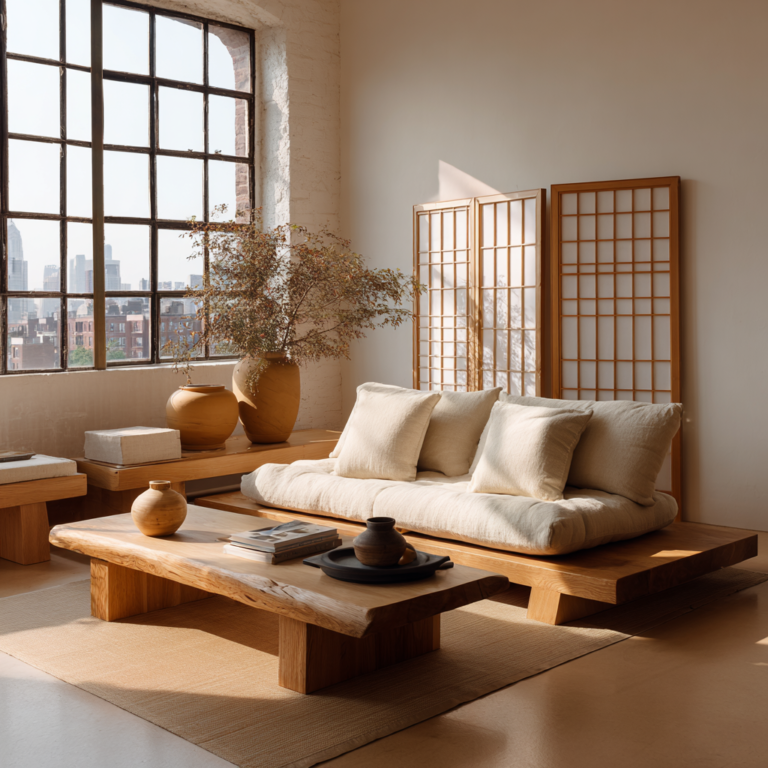
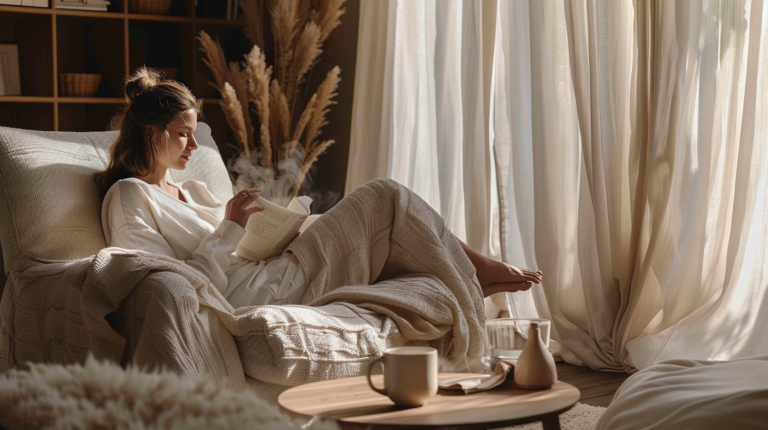
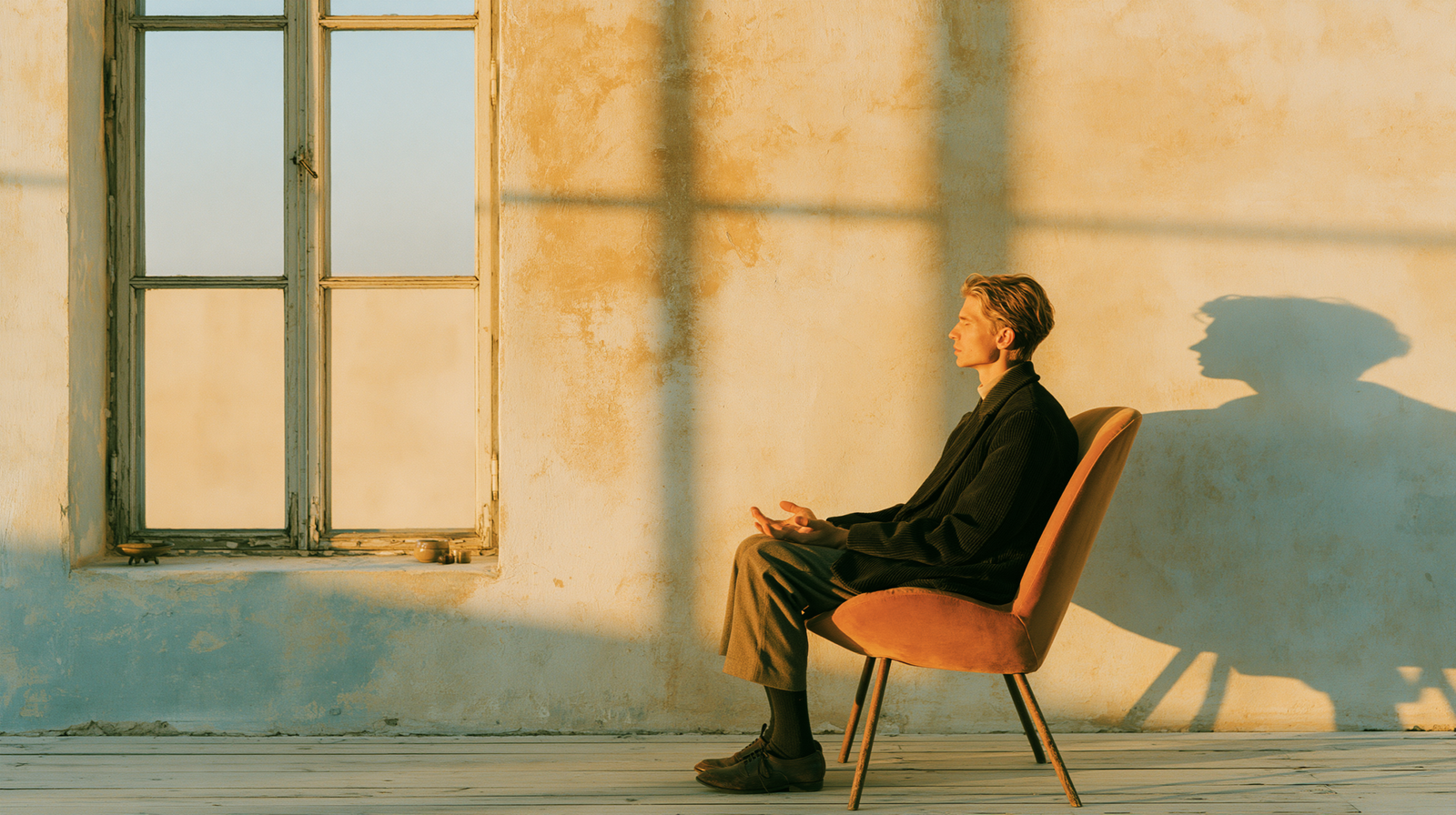
The room is still. Morning light enters through a single window at an unhurried angle, drawing a long pale rectangle across the floorboards and the far wall. A person sits near it — not meditating in any formal sense, not performing stillness — simply sitting, hands resting open in their lap, breathing. They are not thinking about what comes next. They are not reviewing what just passed. They are here, in this particular quality of morning, in this room that asks nothing of them except presence.

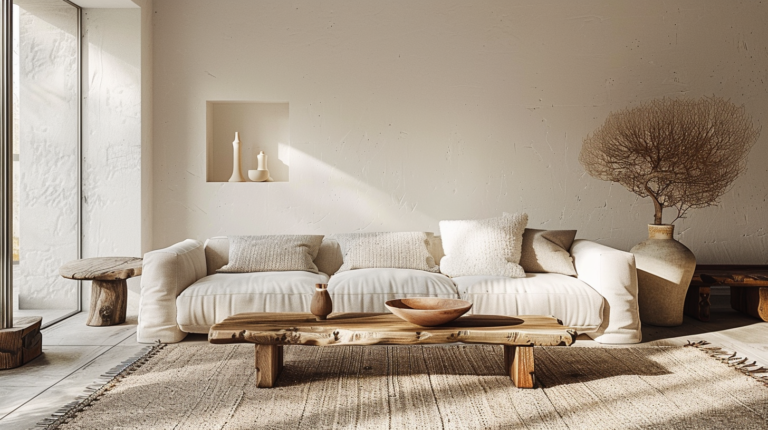
The space around them is simple. A few things, chosen. Enough light. Enough quiet. The kind of room that does not demand to be noticed but rewards the noticing — the way the grain runs in the wood, the slight warmth of the plaster, the way silence here has a texture that silence in a cluttered room does not.
What makes this moment possible is not the room alone. It is the quality of attention brought to it. Without that — without the willingness to actually arrive in the space you have created — even the most beautifully edited home remains a backdrop, beautiful but unlived.
Mindfulness is that willingness. It is the practice at the center of everything this series has explored — the living quality that Zen points toward, that Ma creates space for, that wabi-sabi invites us to direct toward imperfect things, that hygge and fika and lagom and slow living each cultivate in their own way. It is not one concept among seven. It is what connects them all.
The History of Mindfulness

Mindfulness has roots that run more than two and a half thousand years deep. The Pali word sati — often translated as mindfulness — appears throughout the earliest Buddhist texts as a central quality of the contemplative path: a clear, steady awareness of what is actually occurring in body, mind, and experience from moment to moment. The Buddha’s teaching on mindfulness, set out in the Satipatthana Sutta, described it as a complete path in itself — the direct route to understanding the nature of experience and, through that understanding, to genuine freedom from suffering.
The practice traveled east through China, where it was shaped by Taoist sensibilities into what would become Chan Buddhism, and then into Japan as Zen — traditions we explored at the beginning of this series. It took different forms in different cultures: Vipassana meditation in the Theravada traditions of Southeast Asia, mindfulness of breath in Tibetan practice, the kinhin walking meditation of Zen monasteries. Despite their differences in form, all shared the same essential commitment: to pay attention, without judgment, to what is actually present.
Mindfulness arrived in the Western mainstream largely through the work of one scientist. In 1979, Jon Kabat-Zinn — a molecular biologist and Zen student at the University of Massachusetts — developed Mindfulness-Based Stress Reduction (MBSR), a structured eight-week program that distilled core mindfulness practices into a secular, clinically applicable form. His framing was deliberately stripped of religious content, making mindfulness accessible to patients, clinicians, and eventually organizations and schools. Subsequent decades of neuroscience research have documented its measurable effects on stress, attention, emotional regulation, and wellbeing.
But the science, valuable as it is, is not the heart of mindfulness. The heart is much simpler and much older: the radical proposition that this moment, attended to fully, is enough.
What Mindfulness Means
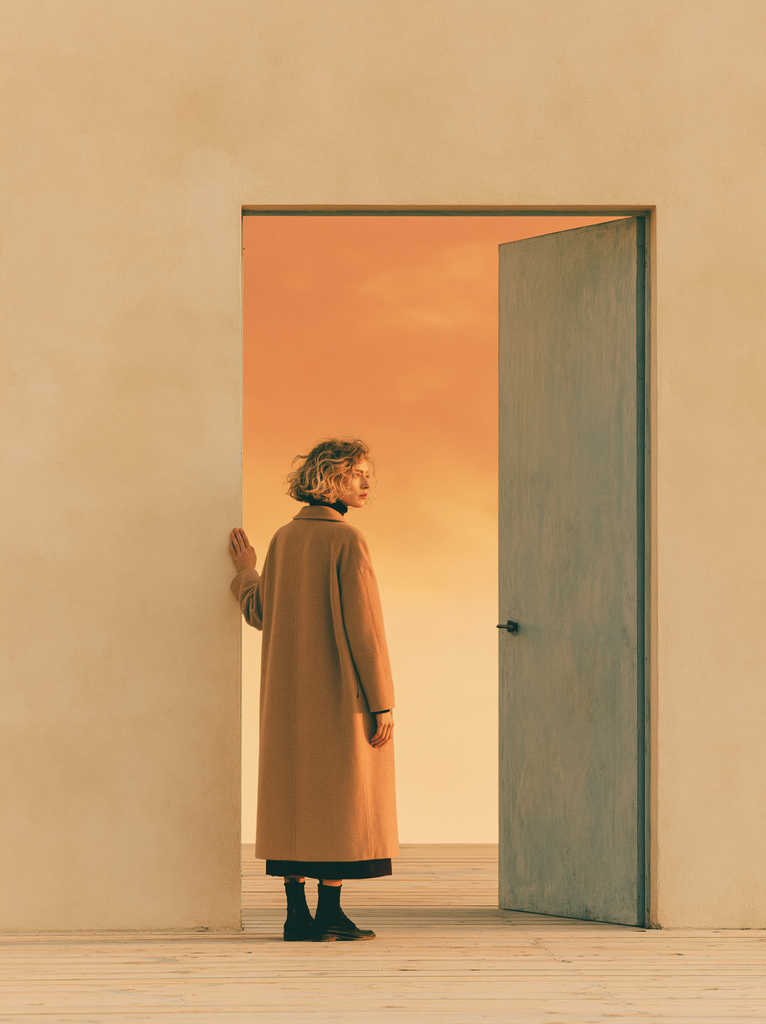
Mindfulness is the practice of paying deliberate, non-judgmental attention to the present moment — to what is actually occurring in your experience right now, rather than to the thoughts about it, the stories around it, or the planning beyond it. It is deceptively simple and genuinely difficult, because the mind’s default mode is movement: into memory, anticipation, evaluation, narrative. Mindfulness asks it to stop moving and to look.
“Mindfulness means paying attention in a particular way: on purpose, in the present moment, and non-judgmentally.”
— Jon Kabat-Zinn

Three elements in Kabat-Zinn’s definition deserve attention. On purpose — mindfulness is not passive; it is a deliberate act of direction. In the present moment — not the reconstructed past or the imagined future, but what is actually here. Non-judgmentally — without the running commentary of good and bad, should and shouldn’t, enough and not enough. Just what is.
In practice, mindfulness can be formal — a seated meditation, a body scan, a period of walking with full attention — or informal, woven into the texture of ordinary activity. It is the quality of attention you bring to washing a bowl, to drinking your morning coffee, to the feel of sunlight on your face through a window. Both formal and informal practice matter; together they begin to change the baseline quality of attention available throughout the day.
Breath Awareness
The breath as anchor — always present, always available, always returning you to now when the mind drifts elsewhere. The most portable mindfulness practice there is.
Observation Without Attachment

Noticing what arises — sensation, thought, emotion — without grabbing onto it or pushing it away. Watching experience the way you might watch weather: with interest, without control.
Gentle Return
The mind wanders. Mindfulness is not the prevention of wandering but the practice of noticing it has happened and returning — without judgment, as many times as needed.
“The present moment is the only moment available to us, and it is the door to all moments.”
— Thich Nhat Hanh
Thich Nhat Hanh, the Vietnamese Zen master whose lifetime of teaching brought mindfulness to millions in the West, expressed the practice with characteristic simplicity. The present moment is not a place to get to — it is where you already are. Mindfulness is simply the decision to notice that.
Right now, in this moment, what are you actually aware of? Not what you are thinking about — but what you can actually sense: the chair beneath you, the temperature of the air, the quality of the light in the room you are in. How long has it been since you noticed any of it?
Mindfulness’s Relevance to Warm Minimalism
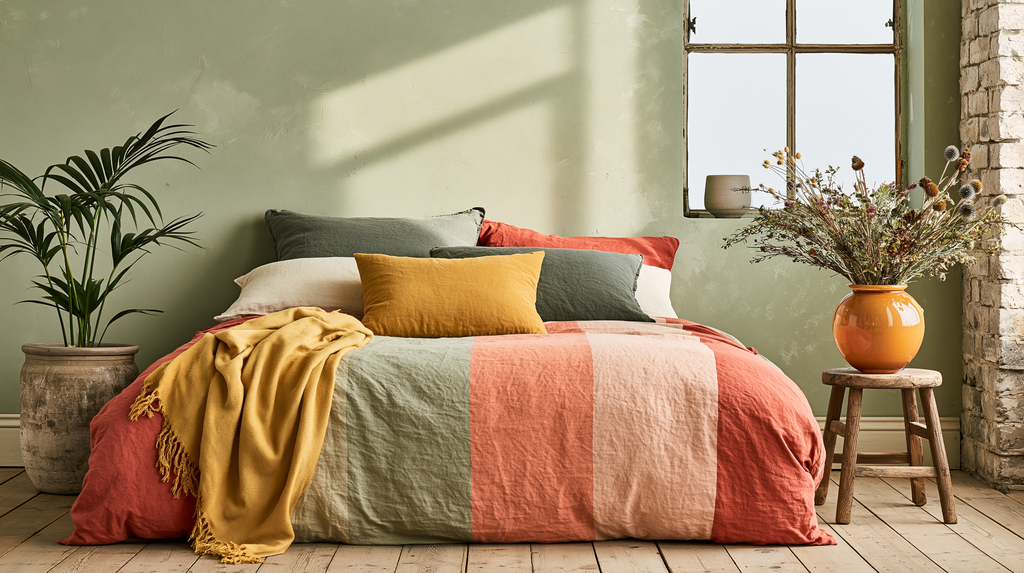
Every concept in this series has been, in its own way, a particular form of mindfulness. Zen’s direct attention to ordinary action. Ma’s invitation to inhabit the interval. Wabi-sabi’s close noticing of the imperfect and aged. Hygge’s quality of gathered-in presence. Fika’s deliberate pause. Lagom’s honest assessment of what is actually enough. Slow living’s recovery of time as something to inhabit rather than consume. Each of these is a mindfulness practice in cultural dress — a specific, humanly developed way of training the attention toward what is actually here.
The Eight Concepts — each a form of mindful attention
Zen— attention to ordinary action
Hygge— attention to warmth and gathering
Ma— attention to the interval
Lagom— attention to sufficiency
Wabi-Sabi— attention to imperfection
Fika— attention to pause and connection
Slow Living— attention to pace and presence
Mindfulness— the practice that holds them all
Mindfulness is what prevents Warm Minimalism from becoming an aesthetic performance — from being simply a look, a style, a set of purchasing decisions made in a particular direction. Without presence, a beautifully edited room is merely a backdrop. With it, the same room becomes a genuinely inhabited space — one in which you notice the light changing through the afternoon, the particular warmth of a well-used material under your hand, the quality of quiet that a thoughtfully composed space makes possible.
Mindful decluttering is fundamentally different from efficiency-driven decluttering. It is slower, more honest, and more durable in its results. Rather than processing possessions quickly against a rule — keep or discard — it asks you to hold each object with genuine attention: what does this actually mean to me? How does it sit in my body when I look at it? Does it belong to who I am now, or to a version of myself I am still carrying for other reasons? These are not sentimental questions. They are precise ones, and mindfulness is the tool that makes them answerable.
🌬On using the home as a mindfulness anchor
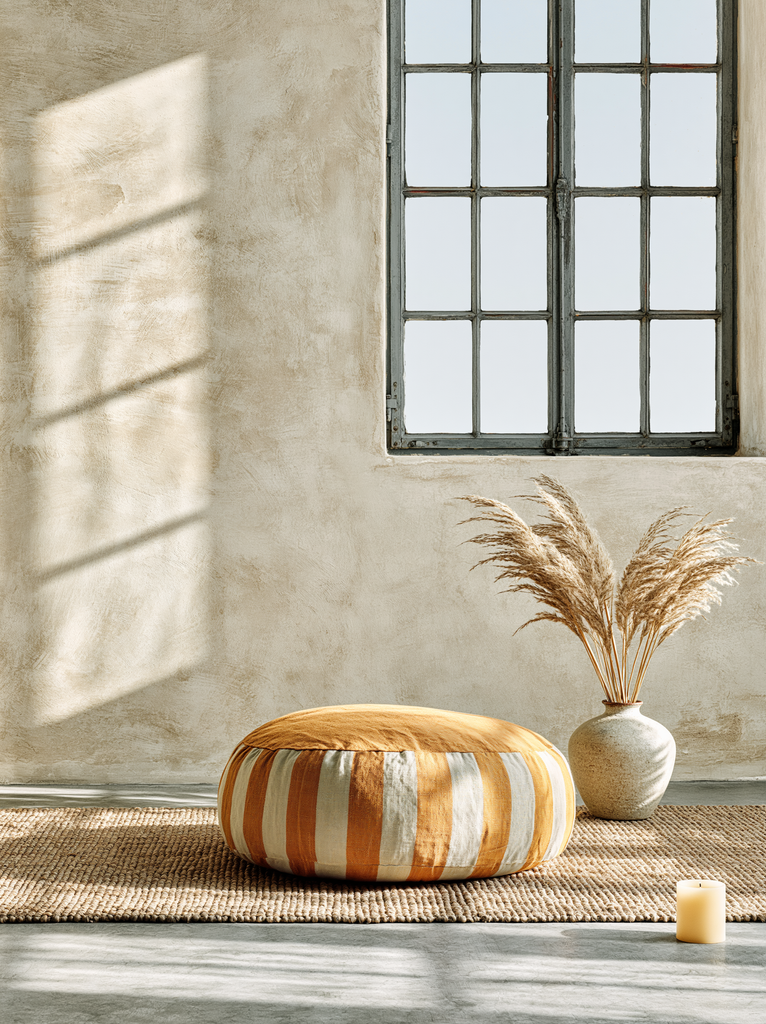
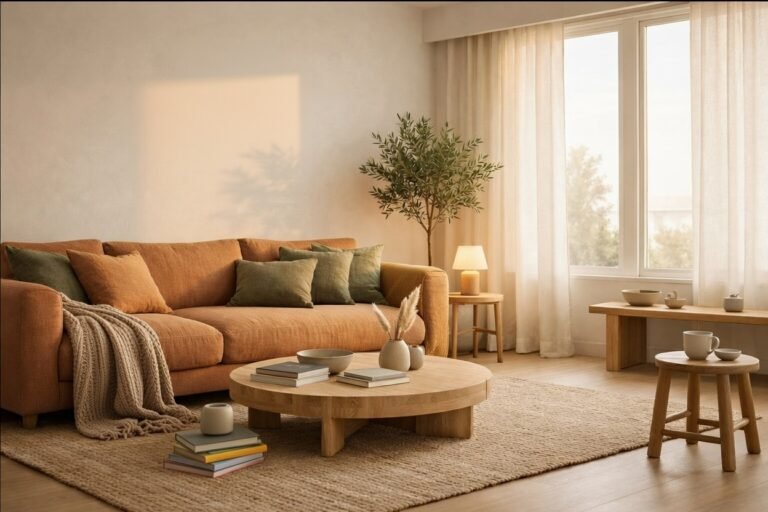
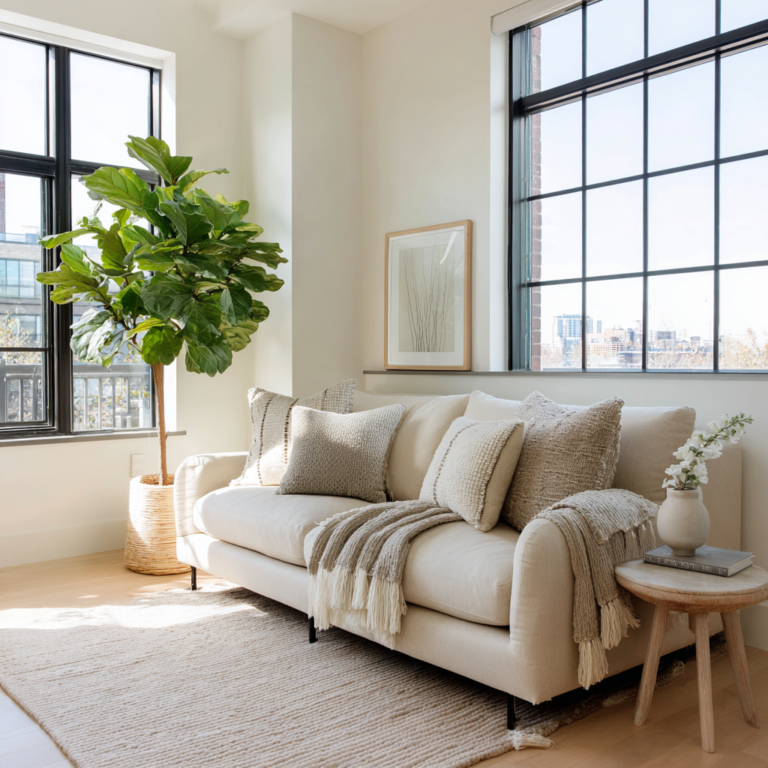
A warm minimalist home can function as a physical support for mindfulness practice — not as a meditation center, but as an environment calibrated to make presence easier. A clear surface that the eye can settle on. A window that gives onto something worth looking at. A chair comfortable enough to sit in with nothing to do. Natural materials that reward close attention — the grain in wood, the texture of linen, the variation in handmade ceramics. These are not decorations. They are invitations to notice.
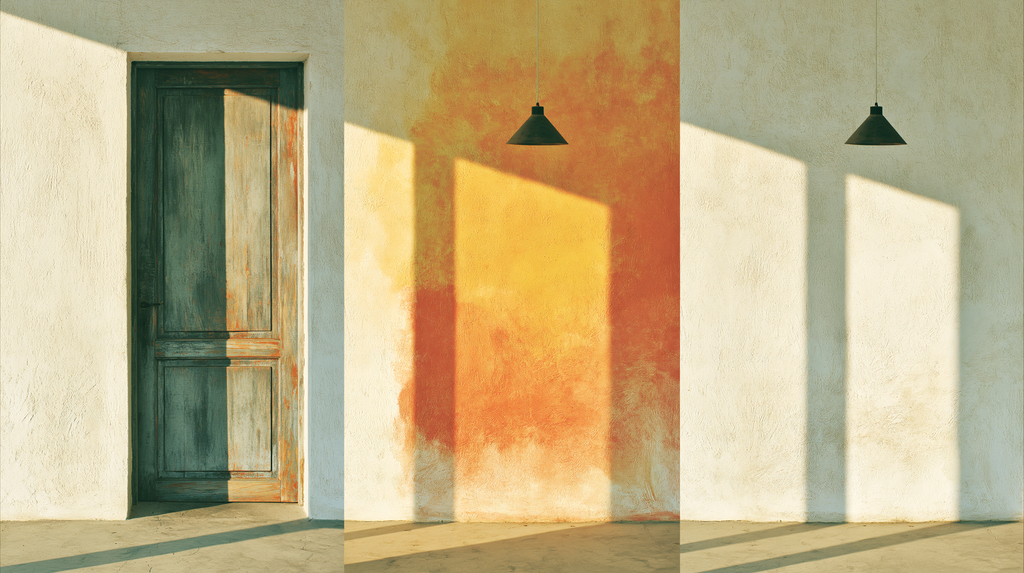
Mindfulness also transforms how we move through a home’s daily rhythms. The morning that begins with a few conscious breaths before the phone. The meal eaten with full attention to taste and texture rather than consumed in front of a screen. The evening walk that is taken without earphones, with genuine curiosity about what the particular evening is doing with its light. The moment of pausing in a doorway and actually noticing the room you are about to enter. None of these require formal practice or reserved time. They require only the decision — made again and again, gently, without self-criticism when it lapses — to be here.
The relationship also runs in the other direction: a well-designed space supports the cultivation of mindfulness. Research on attention and environment consistently shows that visual complexity depletes the cognitive resources available for sustained awareness. A room with fewer competing stimuli, more natural elements, more breathing room — such a room makes it easier to settle, to notice, to be present. Warm Minimalism is not just aesthetically aligned with mindfulness; it is functionally supportive of it. The space itself becomes part of the practice.
Is there a corner of your home where you consistently feel more present, more settled, more yourself — where the room seems to help you arrive? What is it about that place that does this? And could you bring more of that quality to the rest of your home?
The Practice That Holds Everything Together

We have traveled a long way through this series — from a Zen monastery garden to a Swedish kitchen, from a Japanese tea bowl repaired with gold to a Danish evening lit by candlelight, from the philosophy of negative space to the wisdom of just enough, from the gentler pace of slow living to the quiet revolution of paying attention. Each concept has offered a different lens, a different cultural lineage, a different practical doorway into the same essential insight.
That insight is this: the quality of a life is determined not by its contents but by the quality of attention brought to it. A home full of beautiful things, lived in mindlessly, will not give you what you are looking for. A simple home, inhabited with full presence, can give you almost everything.
Mindfulness does not complete Warm Minimalism the way a final piece completes a puzzle. It animates it — gives it breath and warmth and the quality of genuine life. It is the difference between a space that looks good and one that feels good; between a home that has been arranged and one that is truly inhabited; between a life that has been organized and one that is actually, gratefully, presently lived.
This is what all eight concepts, in their different languages and traditions, have been pointing toward: a life in which you are genuinely present for your own experience. In which the morning light through your window is not just a backdrop to whatever you are rushing toward, but something you actually see — and for a moment, are moved by.
That is enough. That, in fact, is everything.
Four ways to bring mindfulness into your warm minimalist home and life
1Begin one daily task — making coffee, washing dishes, folding laundry — with the intention of full attention for its duration. No podcast, no planning. Just the task, the sensation, the moment. Notice what becomes available when you stop using it as background noise.
2Choose one surface or corner of your home and spend five minutes with it — not improving it, not tidying it, just observing it with genuine curiosity. Notice the light, the texture, what belongs and what doesn’t feel quite right. Let attention itself do the work of discernment.
3Build a single formal pause into each day — even five minutes of sitting quietly, attending to breath, before the day begins or after it ends. Not to achieve anything. Simply to practice the act of arriving in your own experience before moving on to the next thing.
4When you next feel the impulse to add something to your home — a purchase, a decoration, a new arrangement — pause and breathe first. Ask, with genuine curiosity: what am I actually looking for? Mindfulness will often reveal that what you need is not a new object but a new quality of attention to what is already there.
A note on the series
Zen, Ma, Wabi-Sabi, Hygge, Lagom, Fika, Slow Living, Mindfulness. Eight concepts from different traditions, different centuries, different cultures — all pointing, in their own language, toward the same quiet truth: that a home should feel good to live inside, and that the way to make it so begins not with what you add to it, but with the quality of presence you bring. We hope this series has offered something useful for that ongoing, rewarding work.
Join the Circle of Warmth
A quiet letter on warm, intentional living — delivered occasionally.